The Analytics With Avery Blog
USA, Sweden, and Finland Olympic Roster Projections
By Avery Doiron | December 31, 2025
Introduction
Note: This post was written using an earlier version of my player card model and design. The player cards shown below are from that older version and the project has since been updated with a new model and visuals.
After projecting Team Canada’s Olympic roster, it felt natural to turn my attention to the other three countries that participated in last season’s 4 Nations tournament: the United States, Sweden, and Finland. While each nation presents its own roster-building challenges and philosophies, the objective remains the same: create a roster of 25 players that I think gives each of these countries the best chance of winning a gold medal.
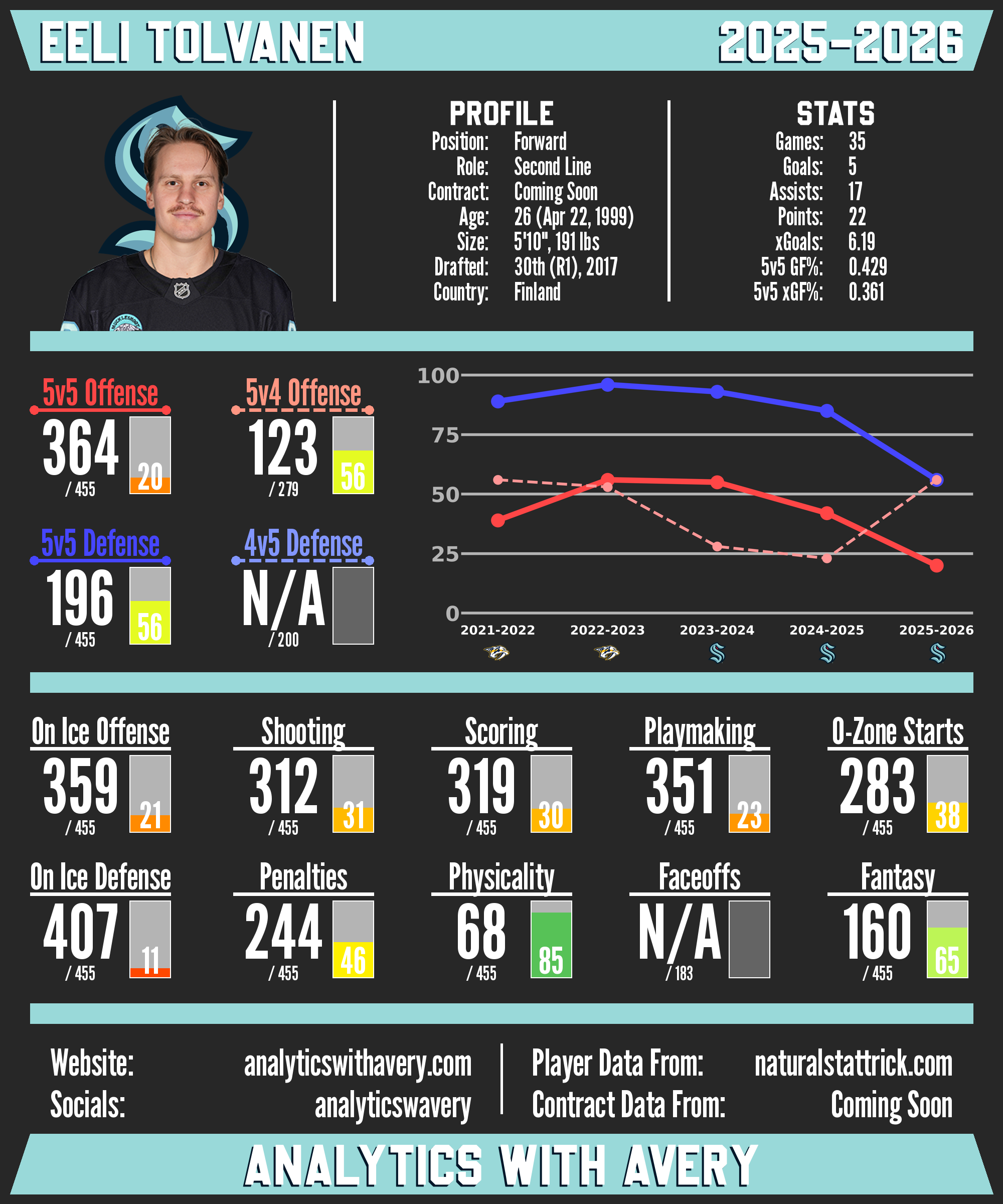
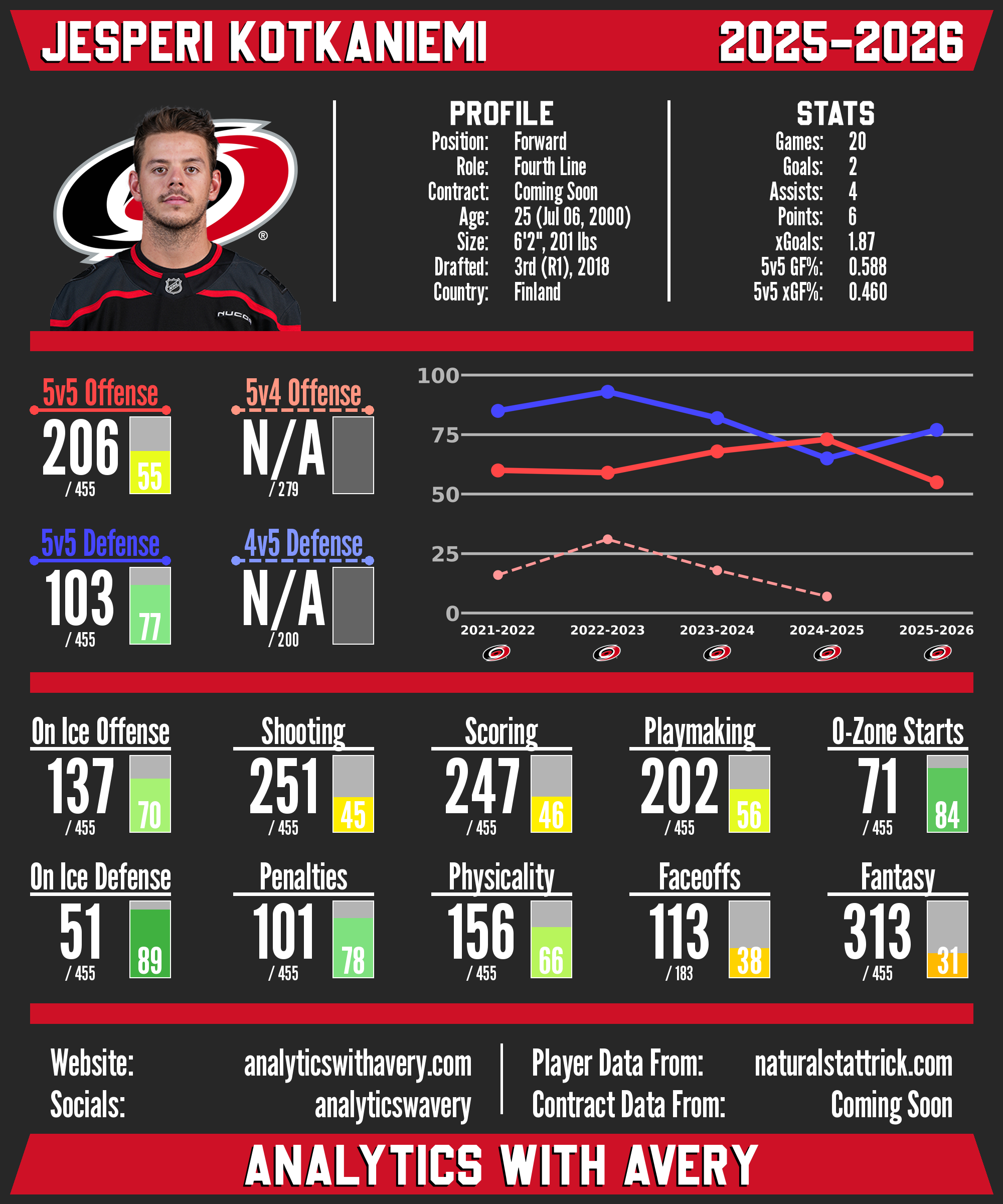
Unlike my Team Canada projection, I won’t be going into the same level of detail for every individual selection. My familiarity with non-North American leagues is more limited, so these rosters lean heavily toward NHL players, with a small number of AHLers or former NHLers considered where appropriate. Each lineup is visualized using my custom NHL player cards, which have been most recently updated on December 24, 2025.
As with the Team Canada projection, these lineups are not rankings of the best players from each country, but carefully constructed teams built around defined roles, balance, and situational usage. After each lineup, I’ll provide a brief summary outlining the team’s overall structure, strengths, and potential weaknesses.
United States
Forwards:
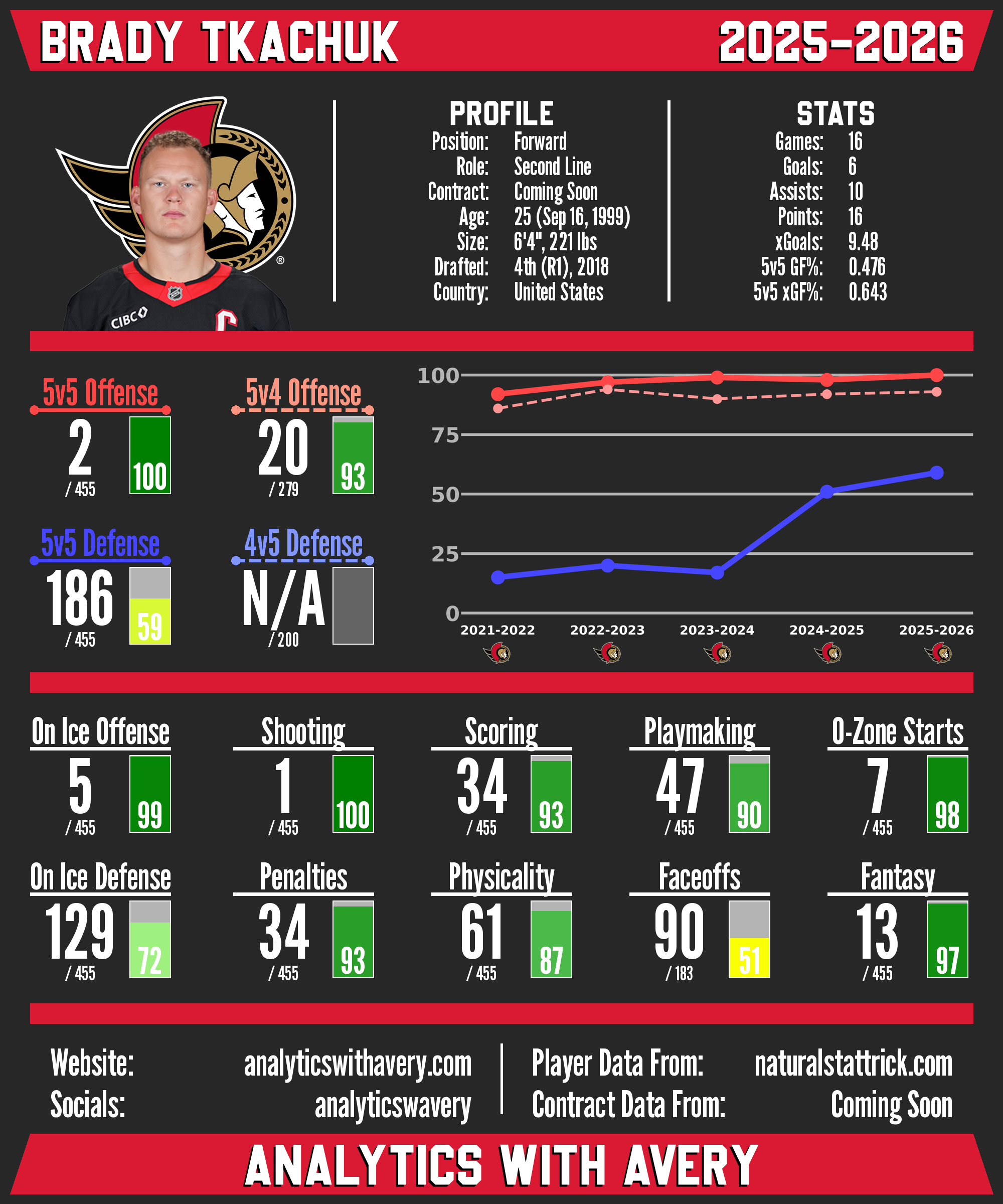
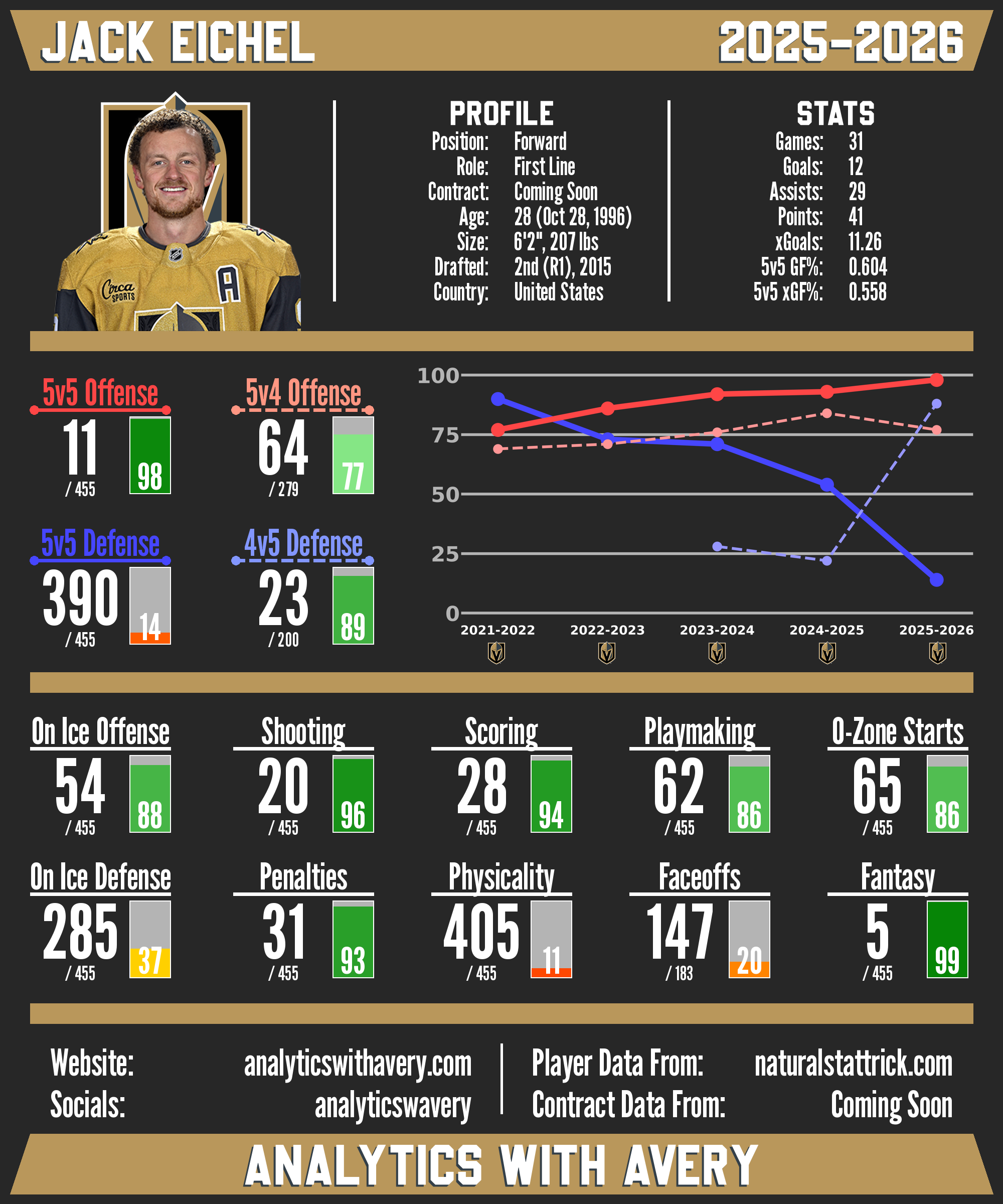
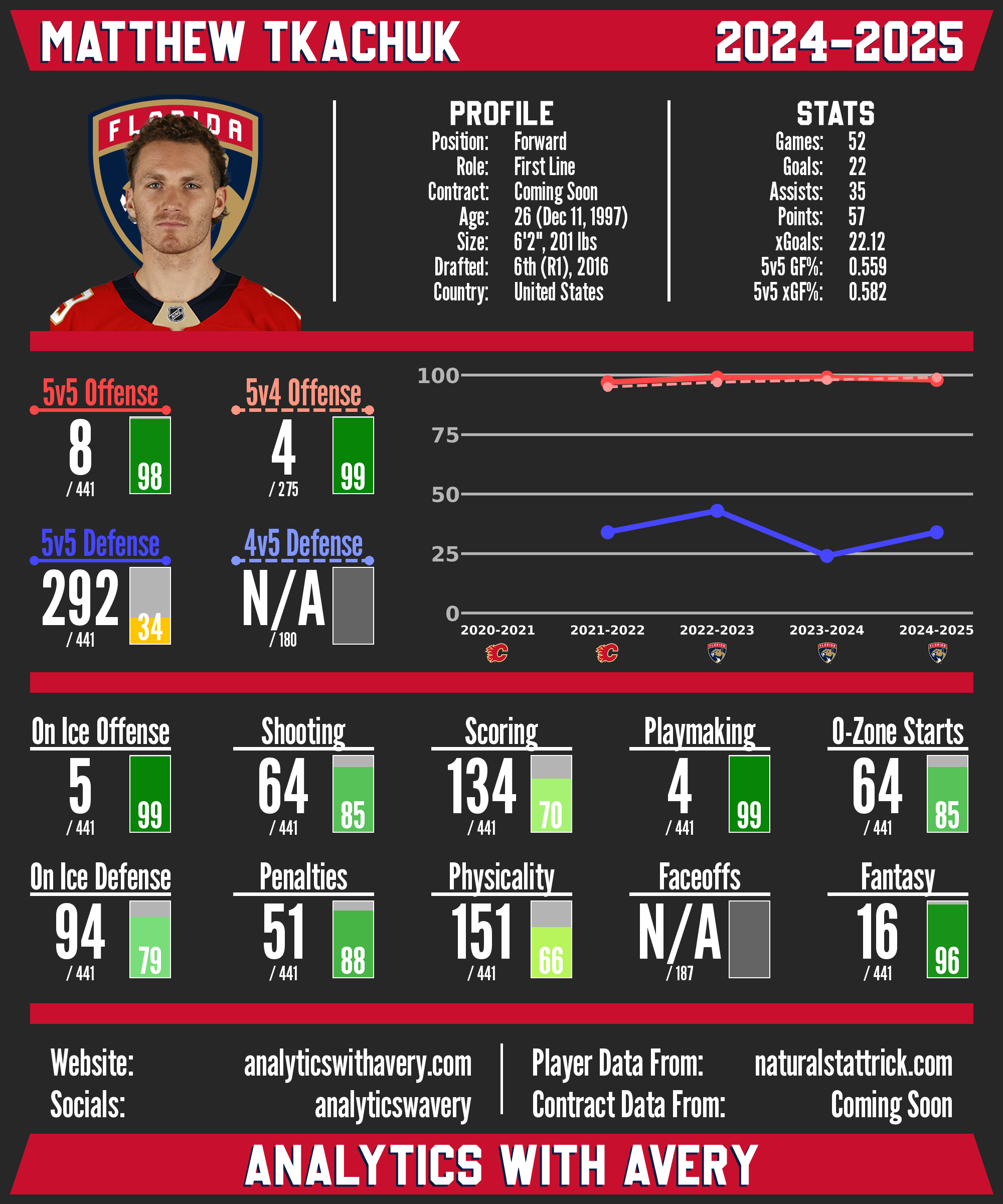
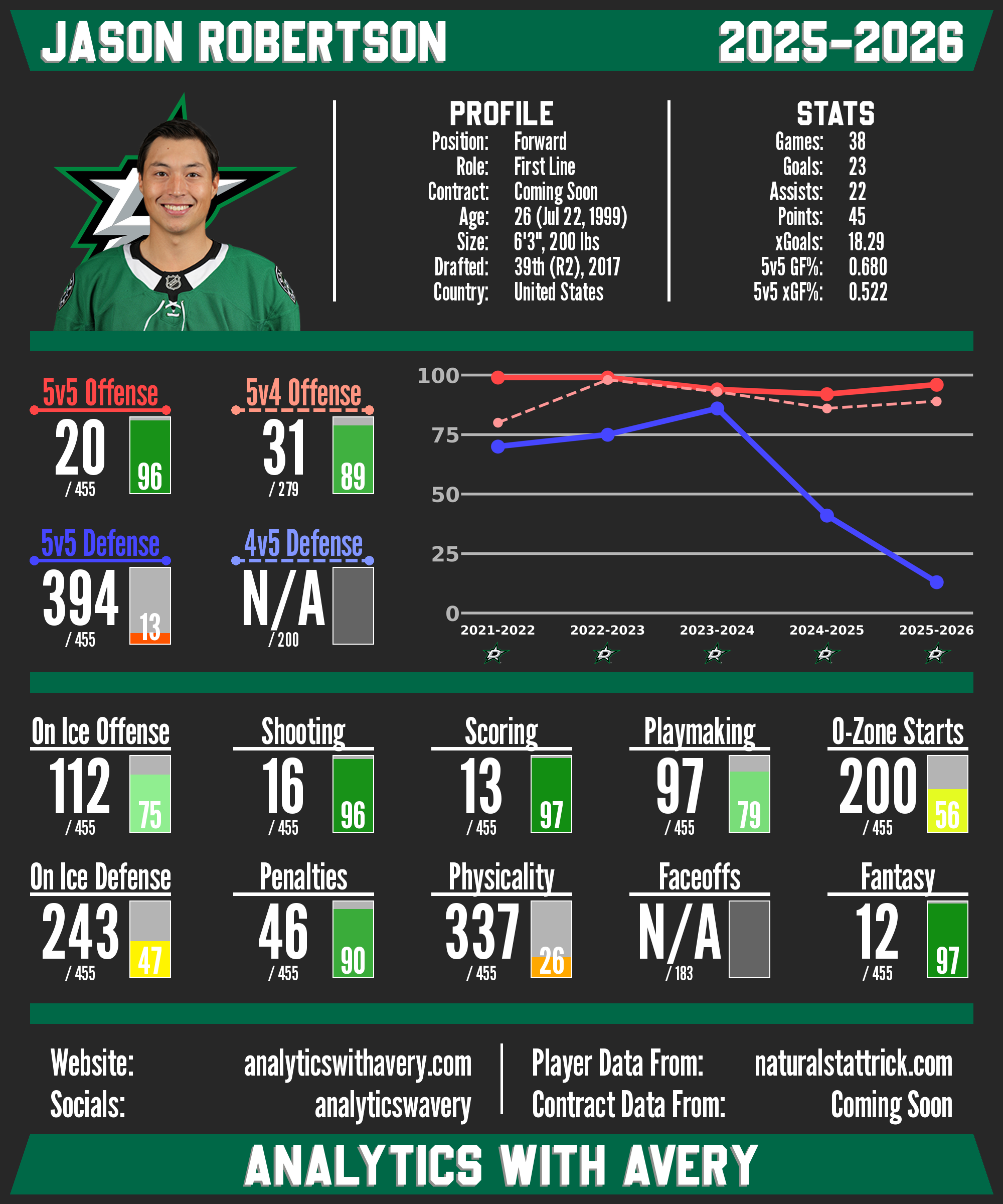
Defensemen:
Goalies:
Extras:
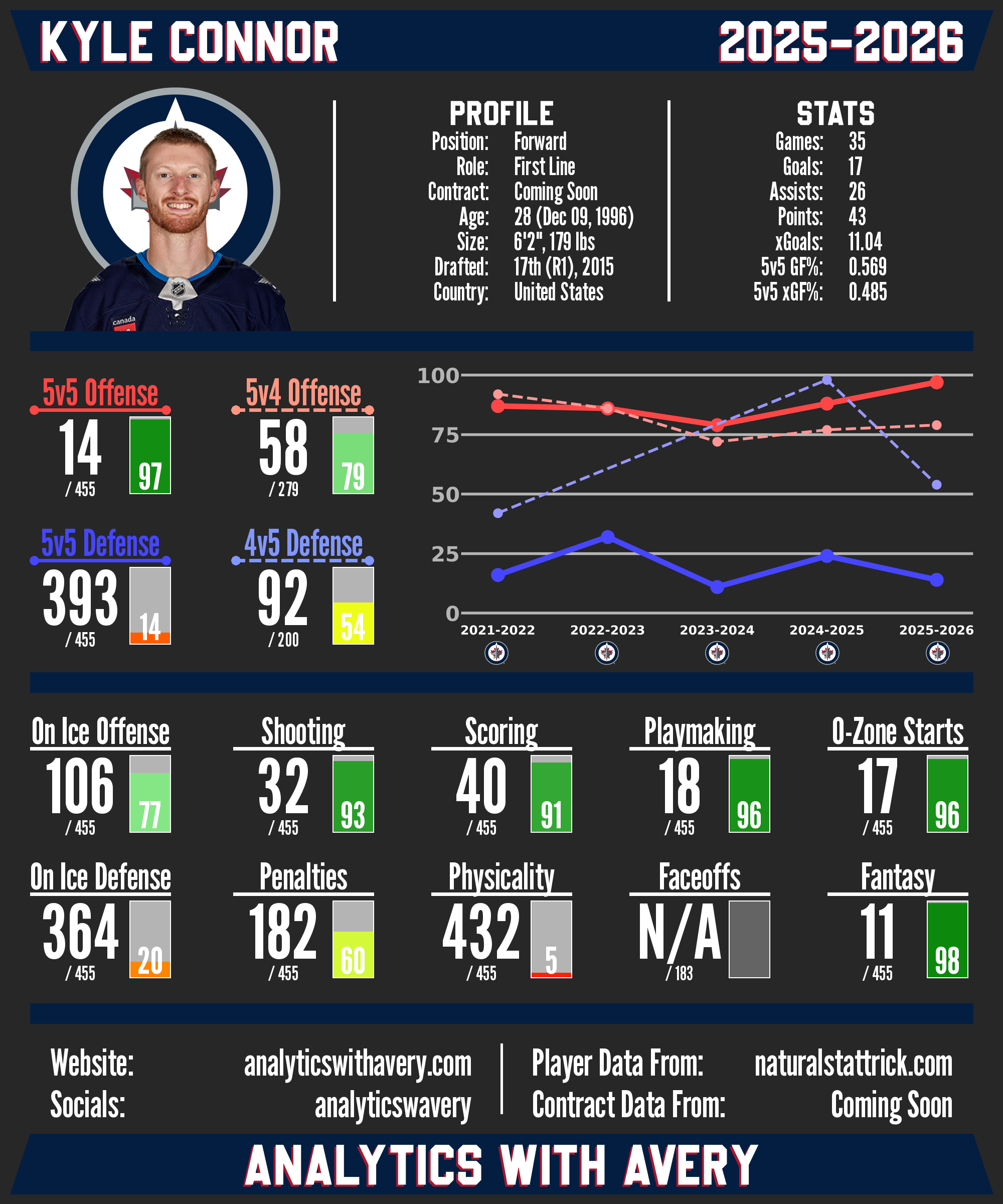
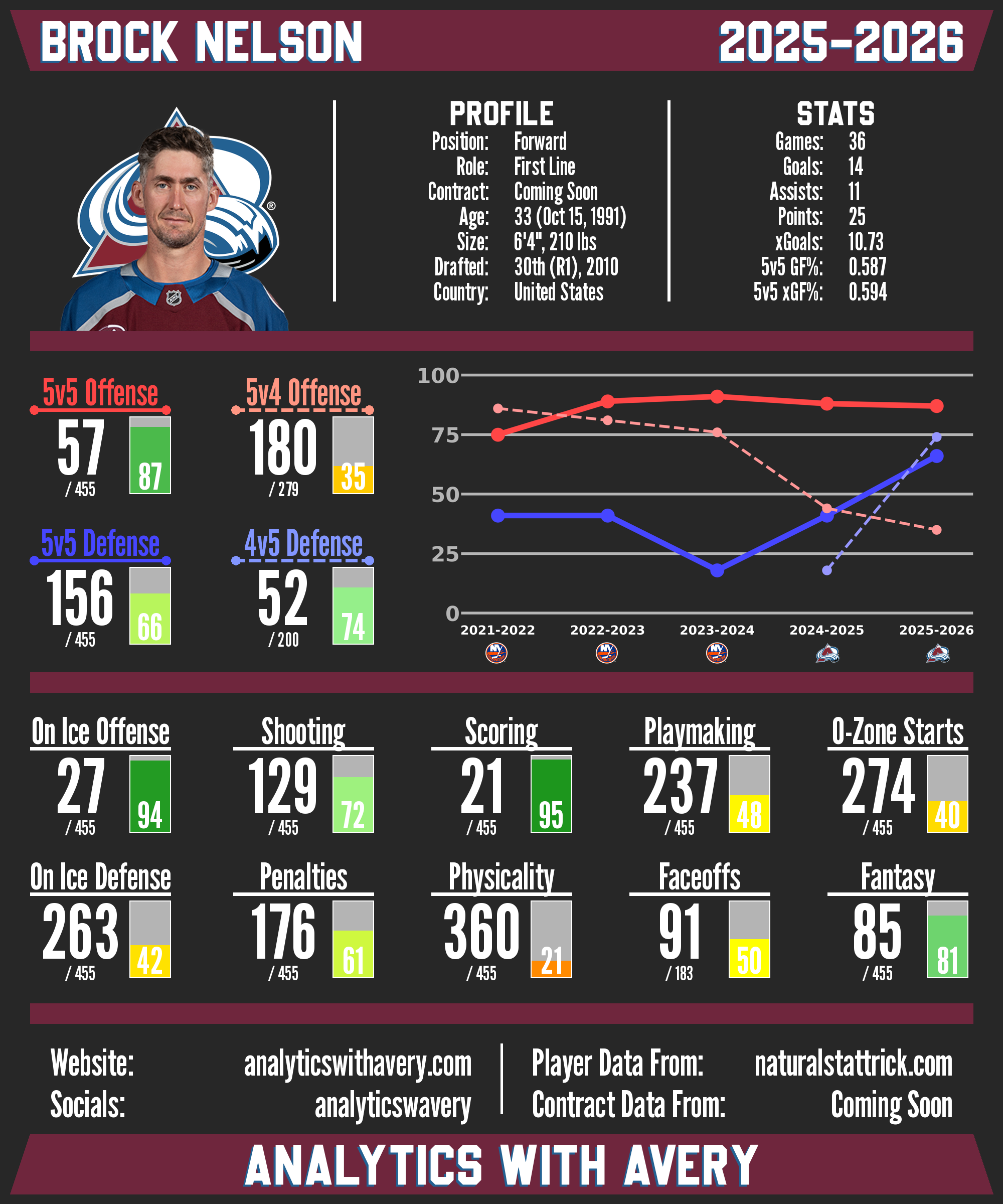
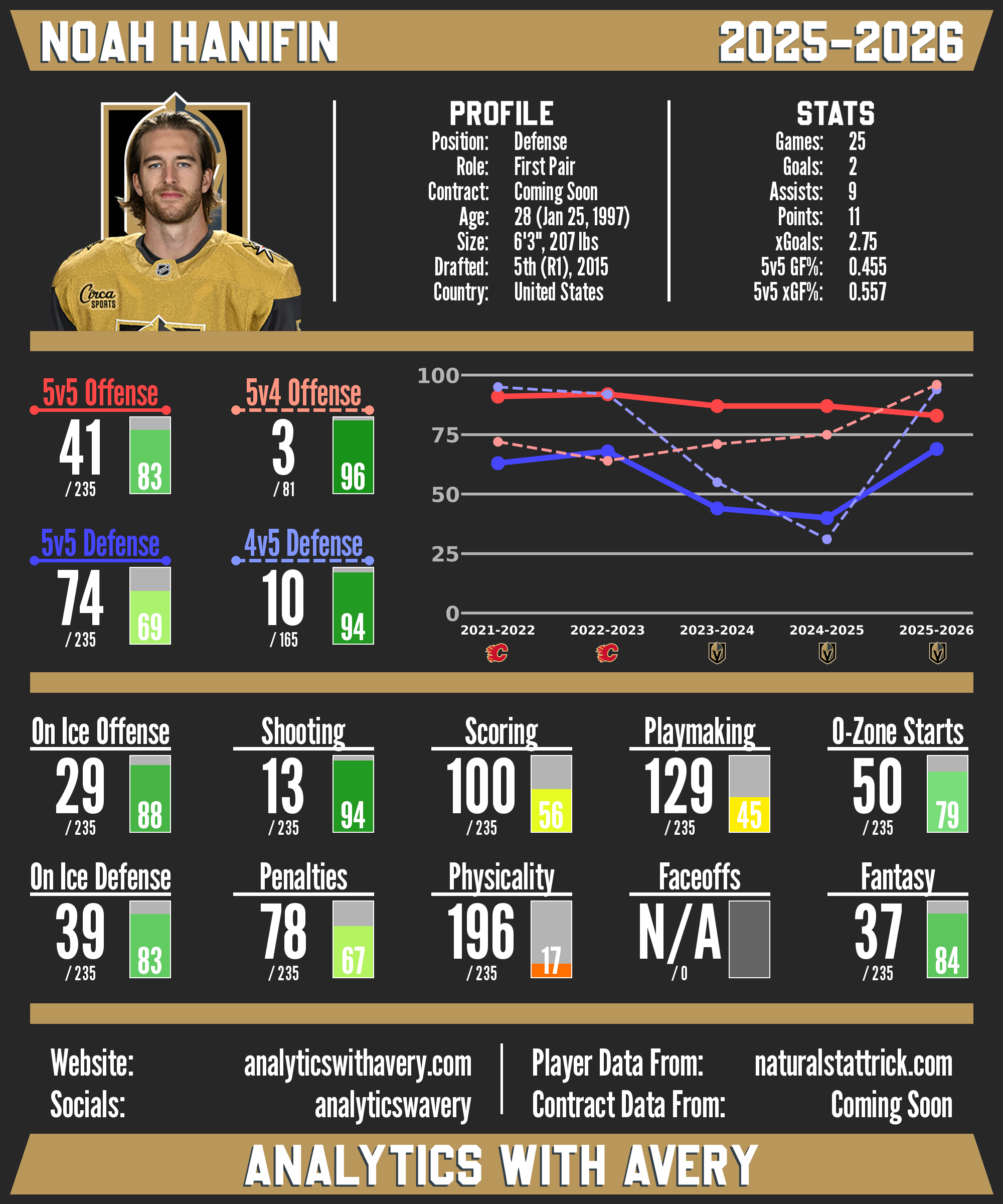
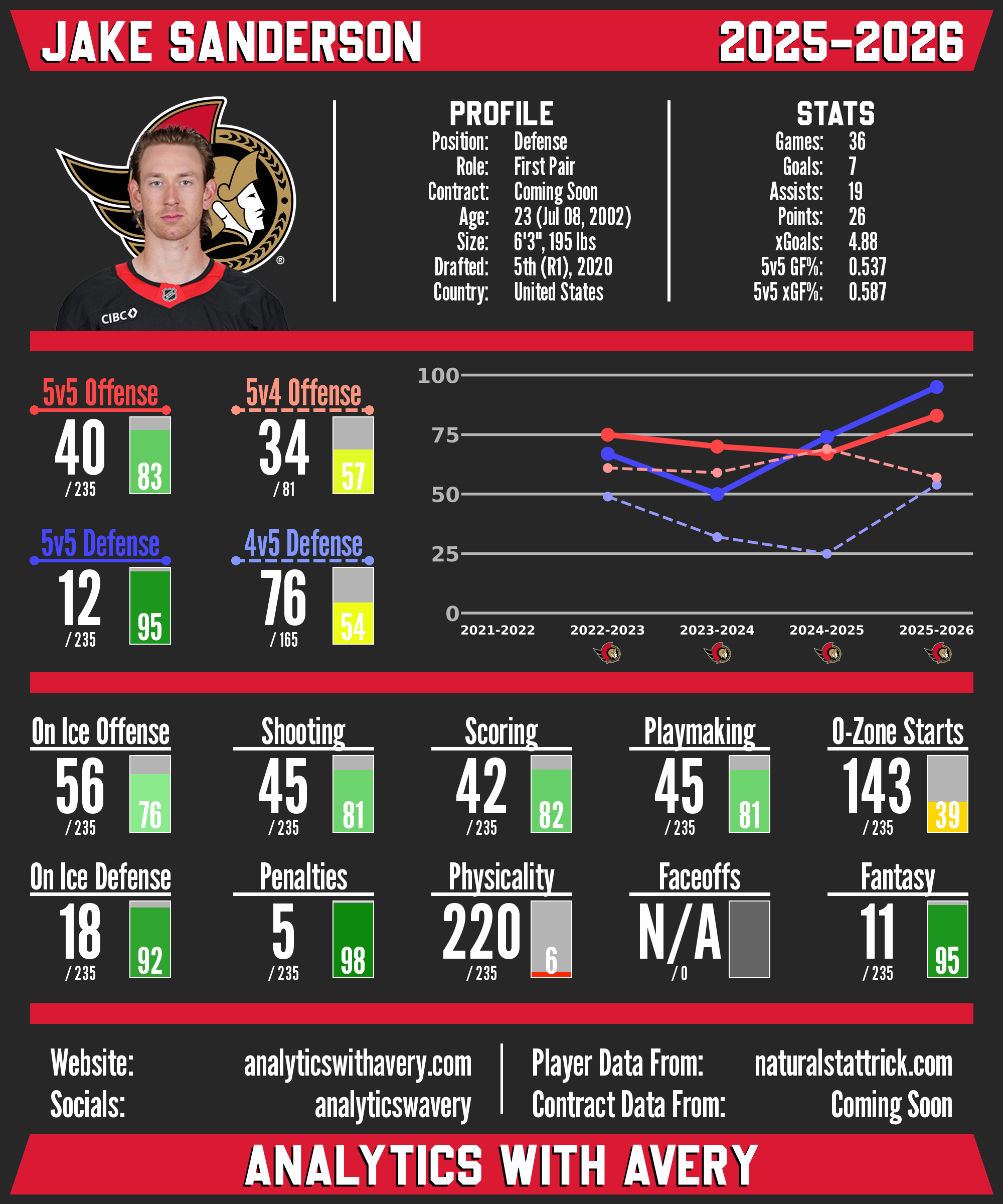
Summary
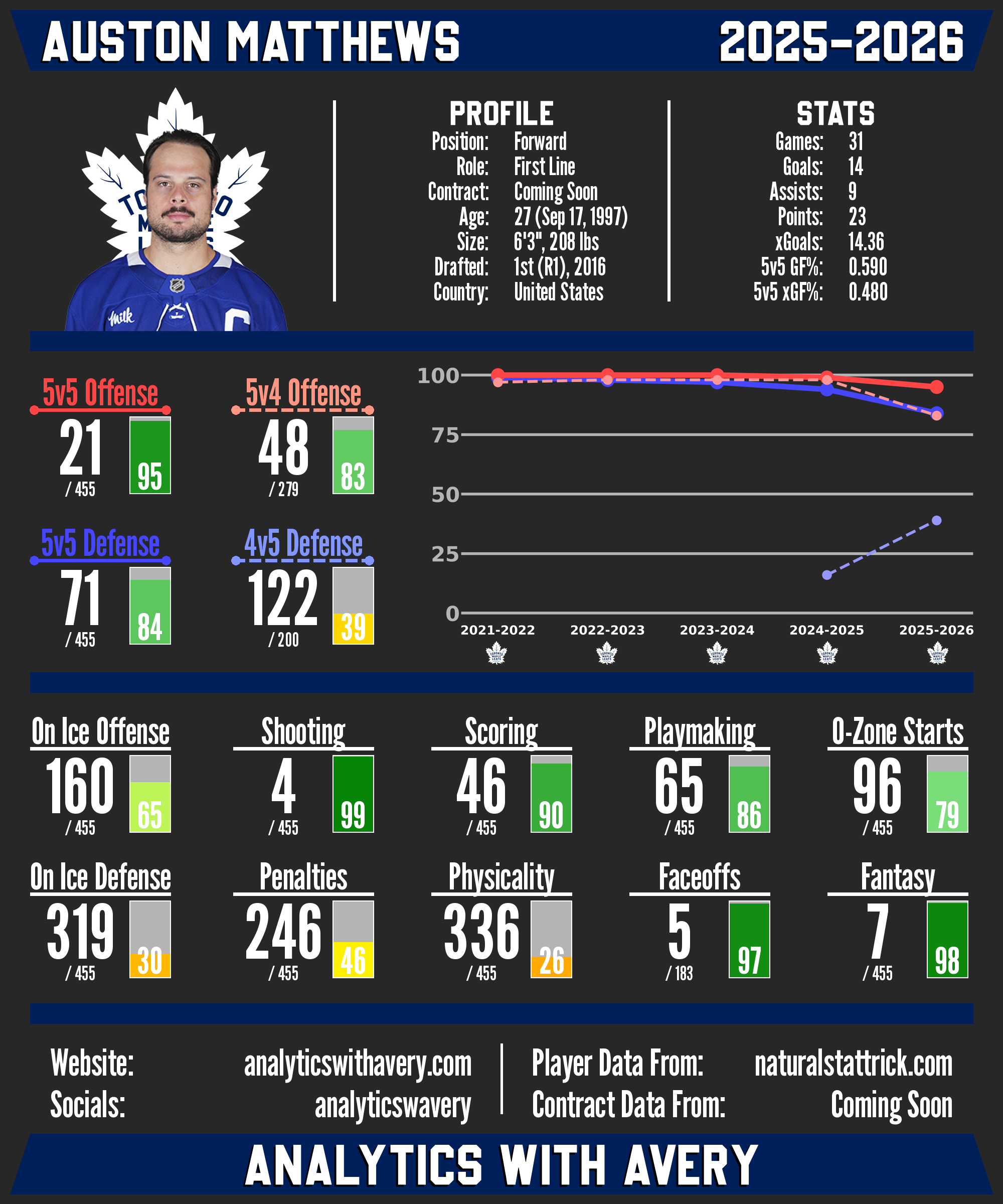
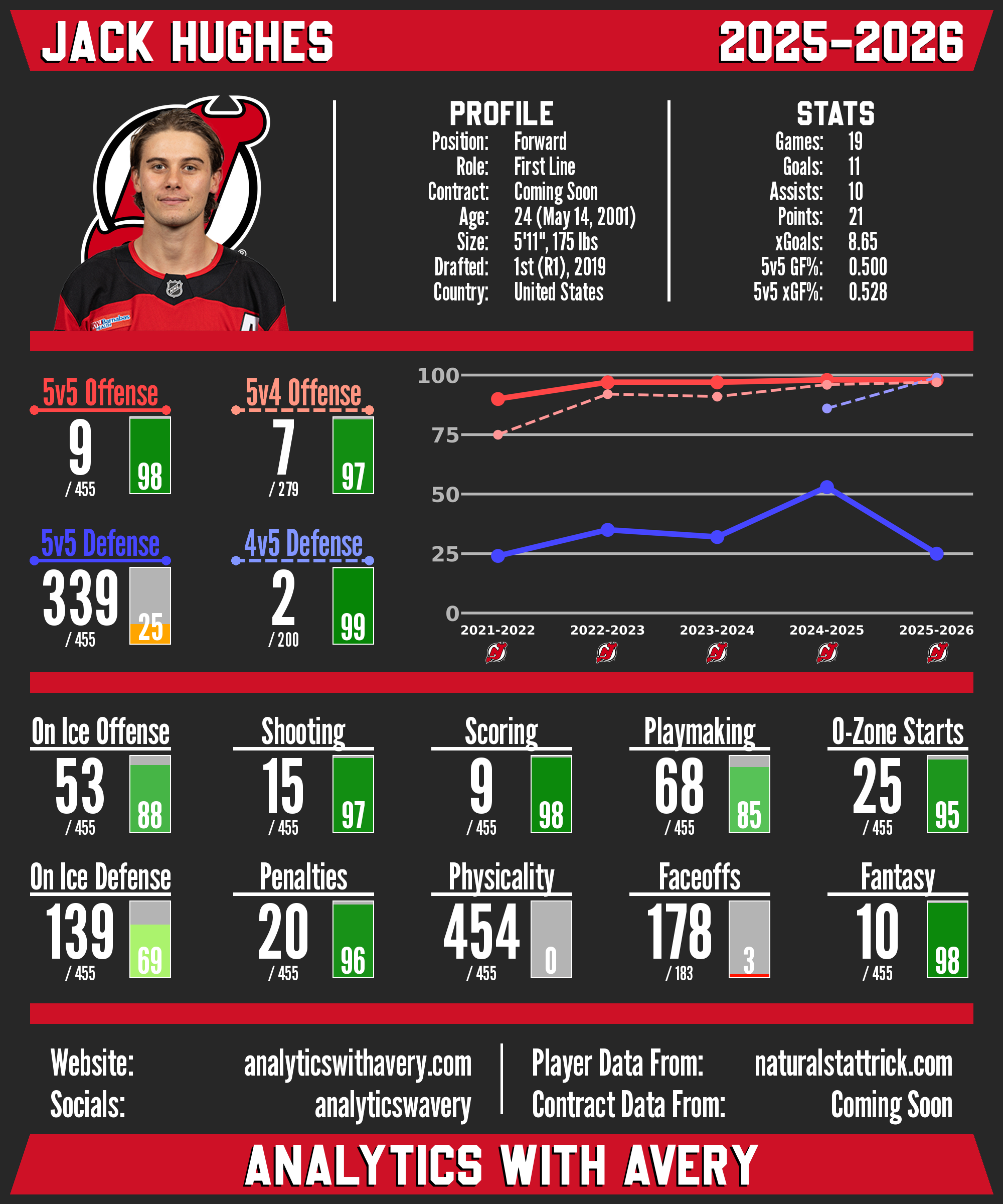
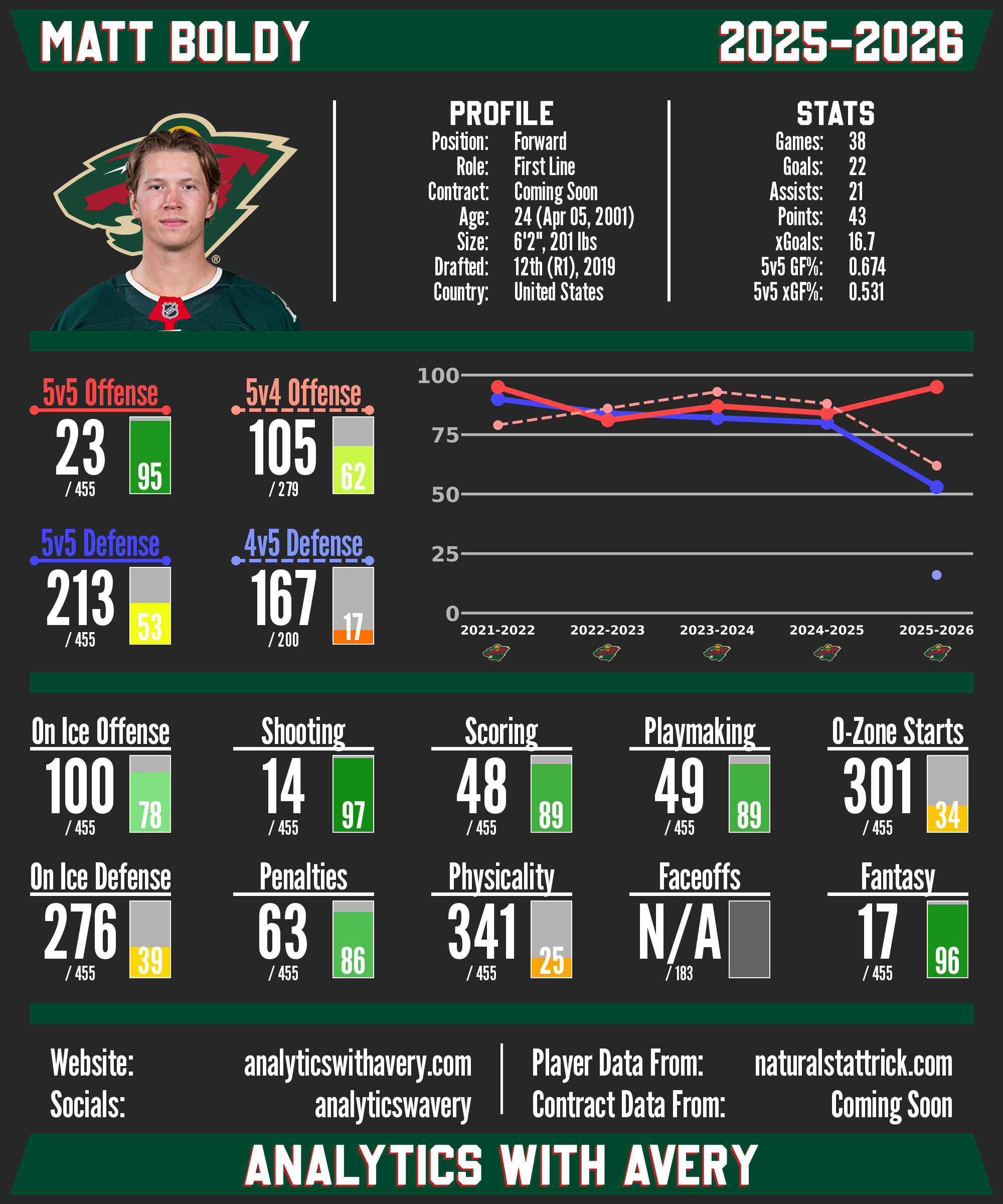
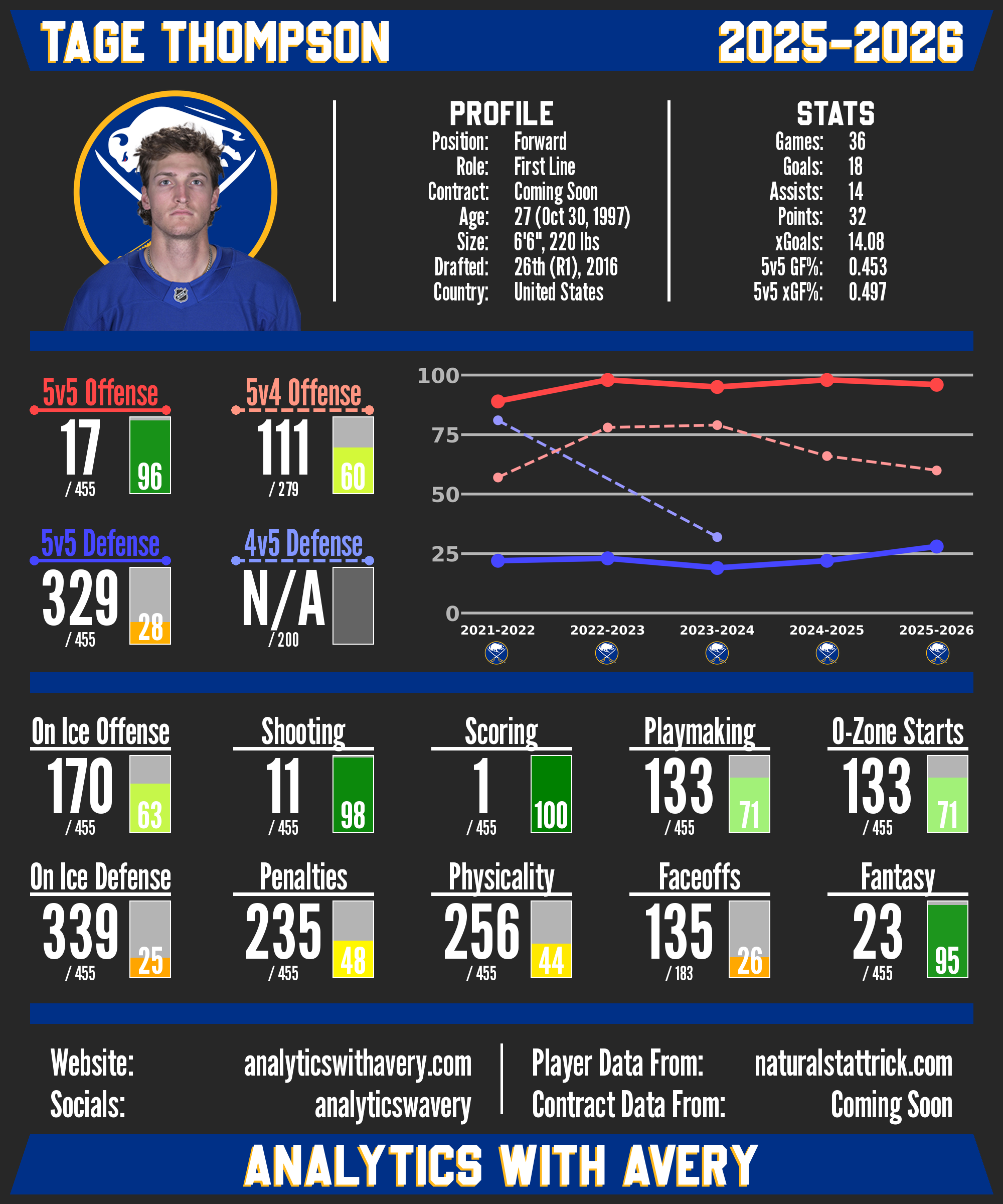
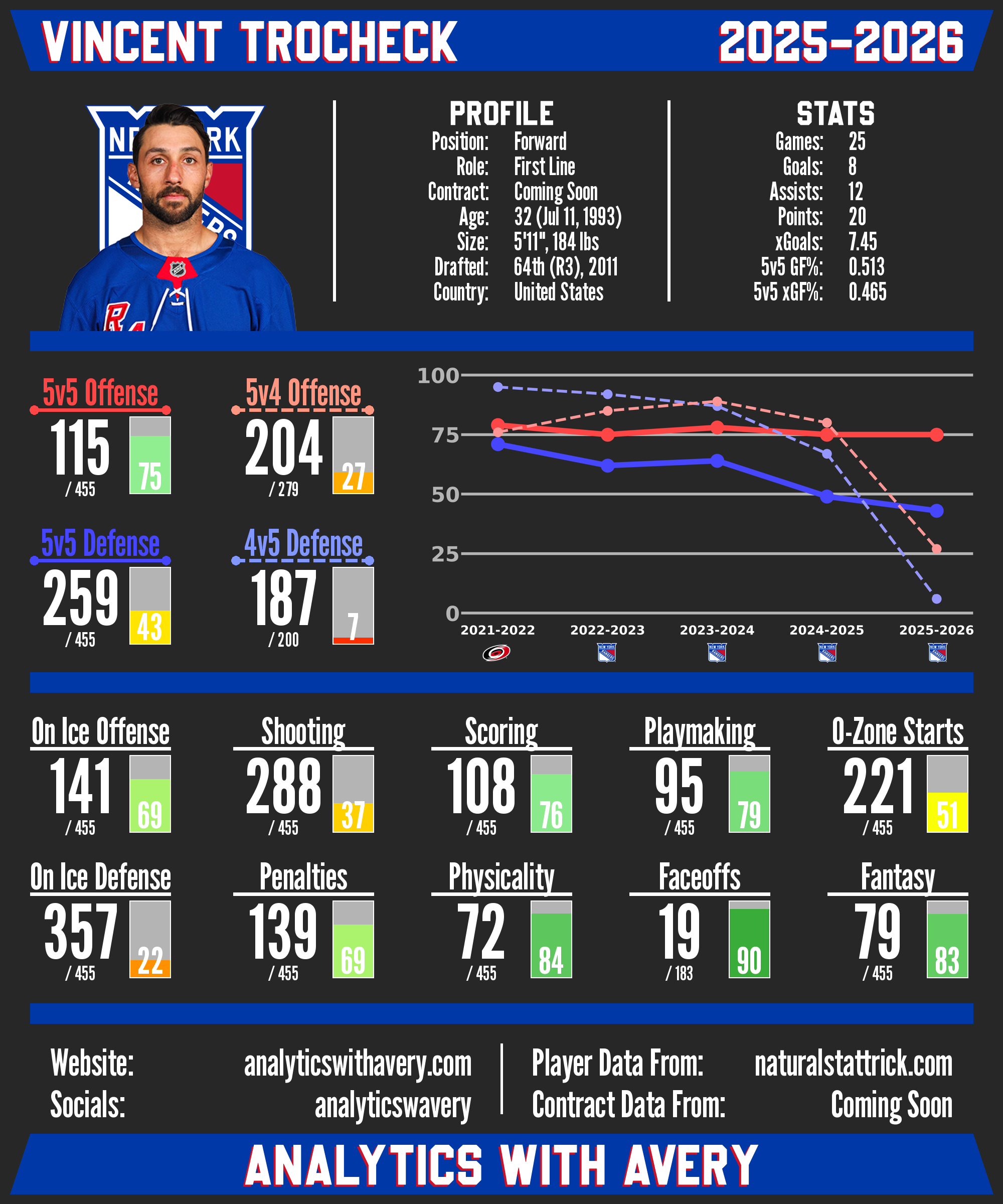
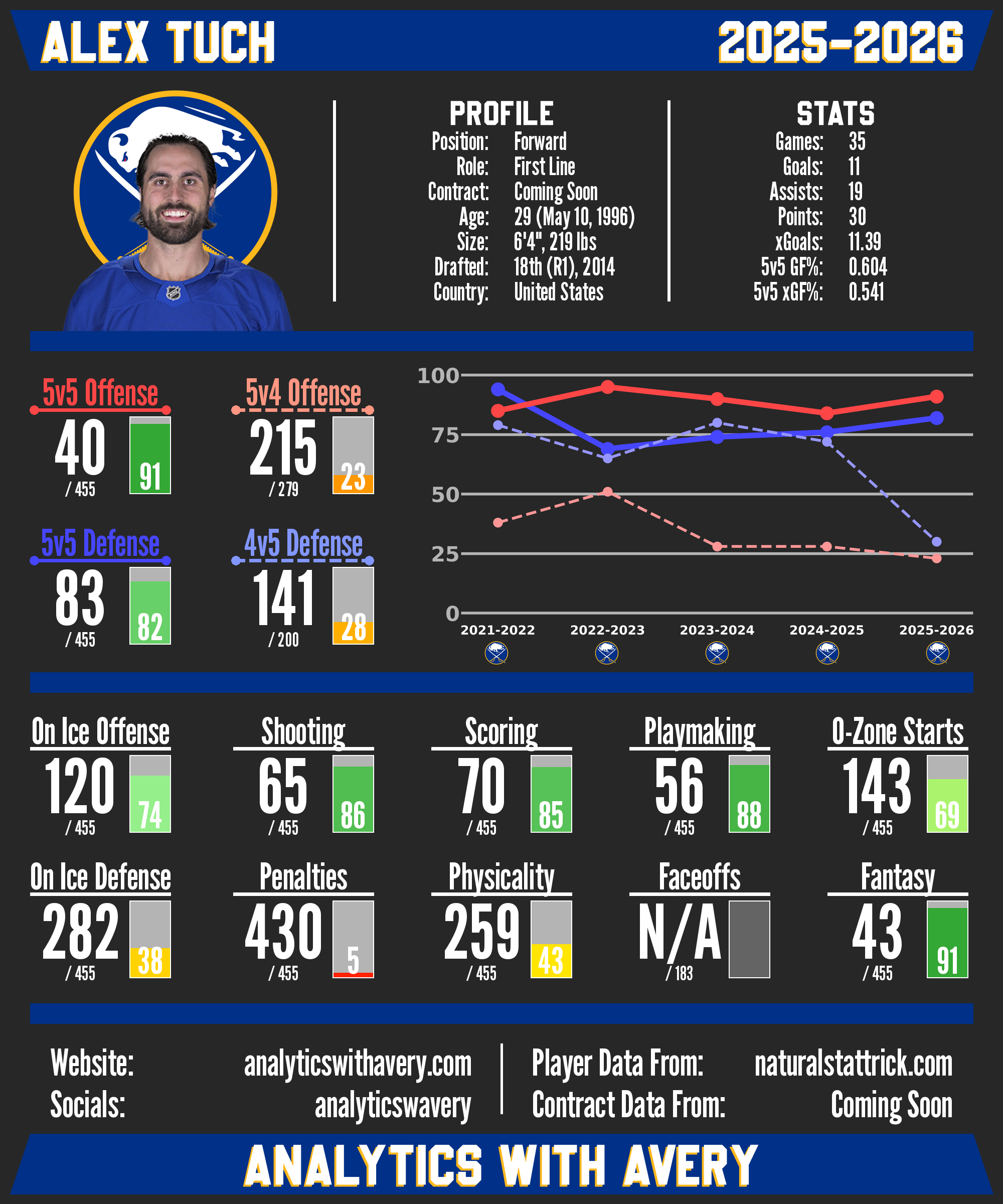
The United States have some truly elite top-end forward talent. The top line has Eichel centering the Tkachuk brothers, combining high-end skill with physicality and edge. Matthews' season has been a bit of a disappointment, but putting him between Robertson and Jack Hughes can hopefully bring out his best and make for a line with some heavy firepower. The bottom six continues the trend of high offense, while adding in some key defensive players like Trocheck and Tuch to balance things out. If everyone is playing at their peak, this group of forwards will be tough to stop.
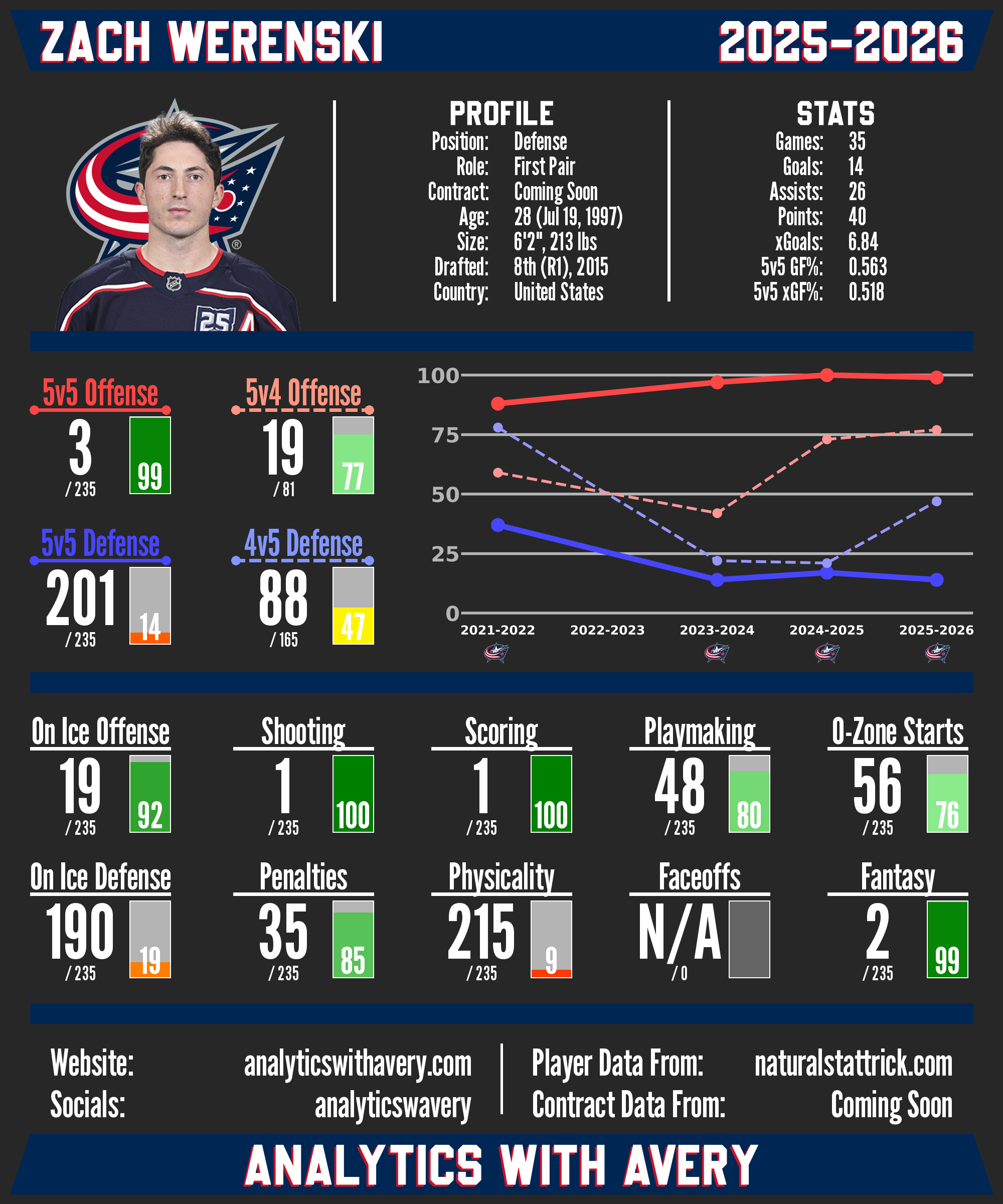
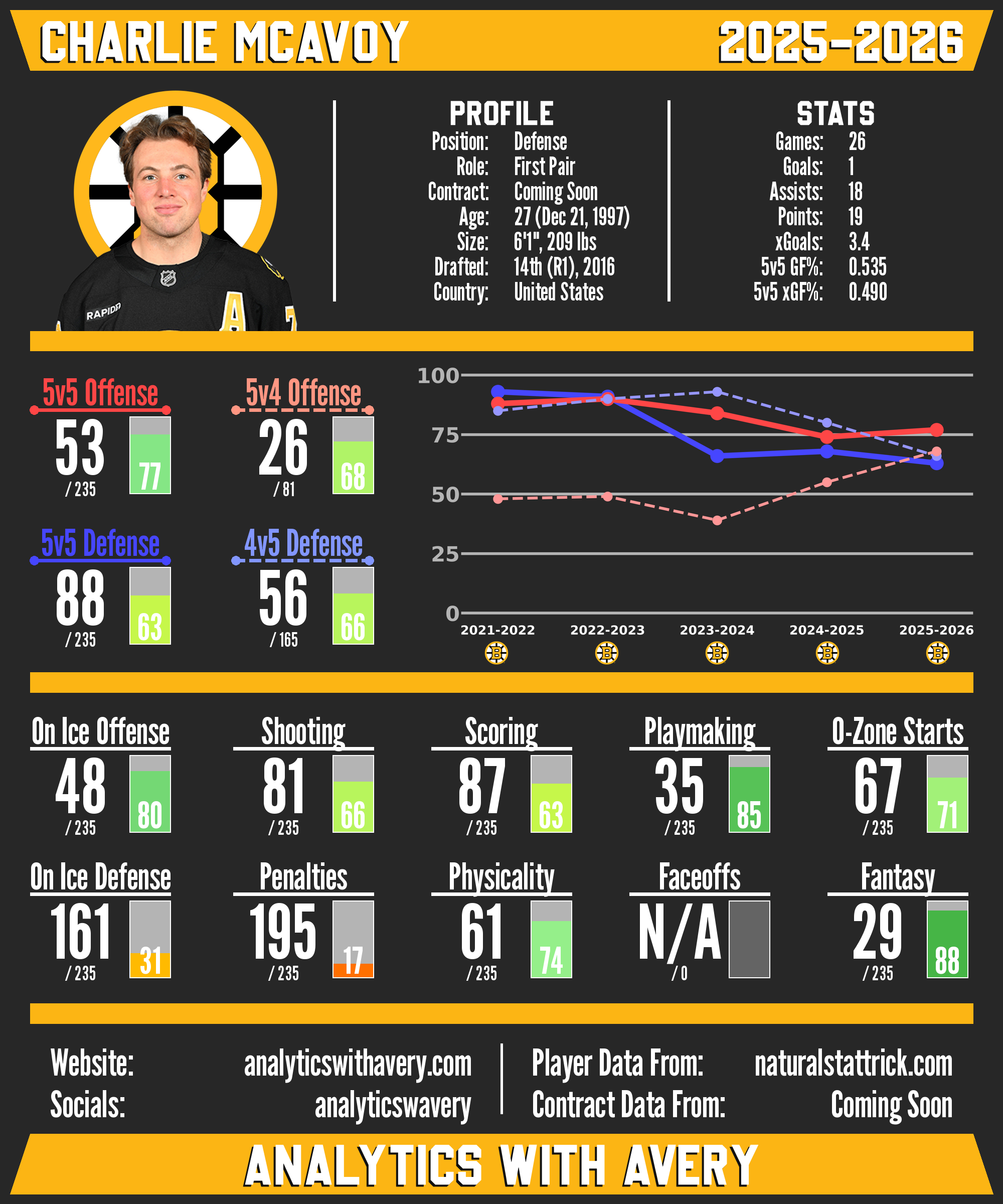
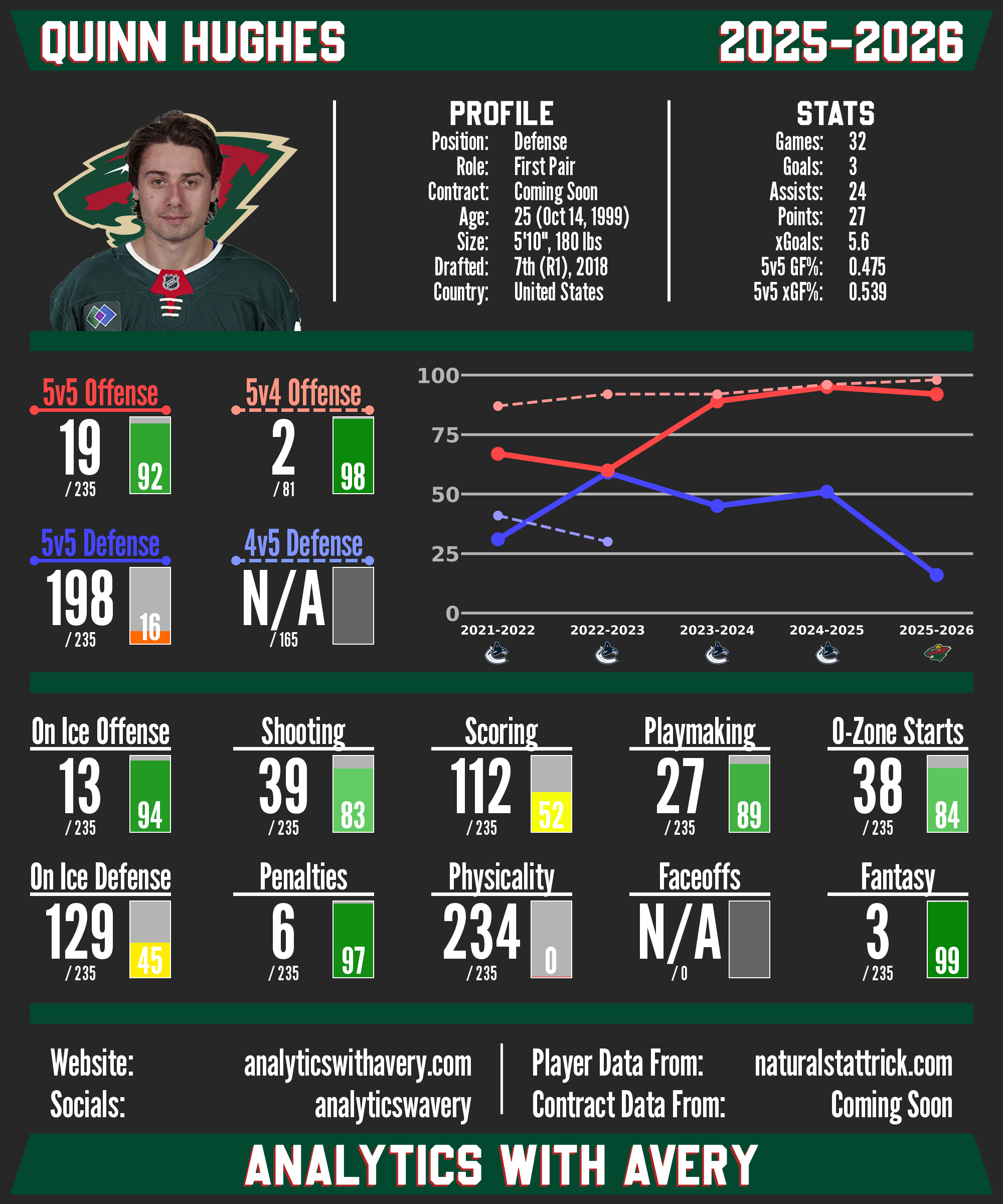
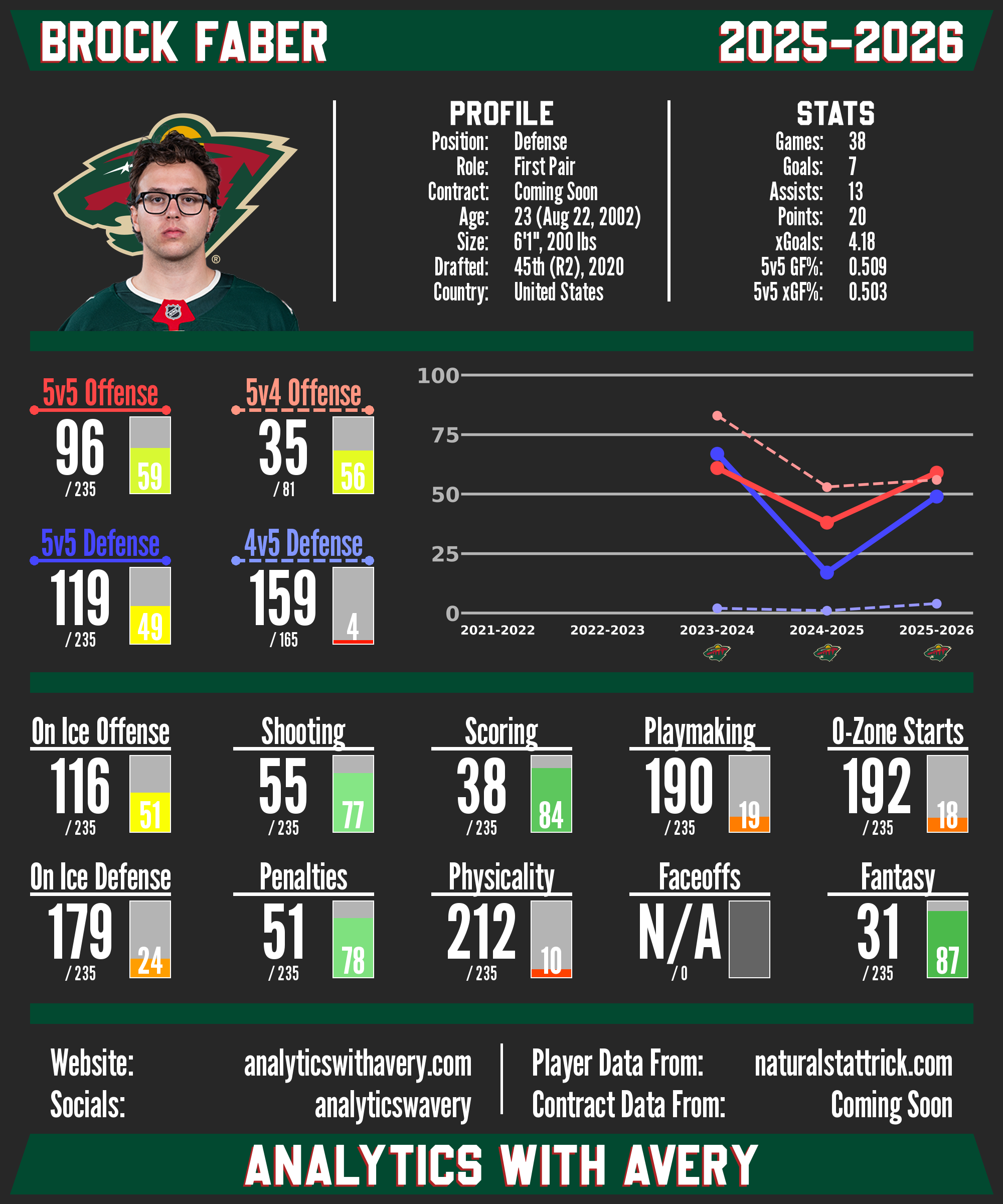
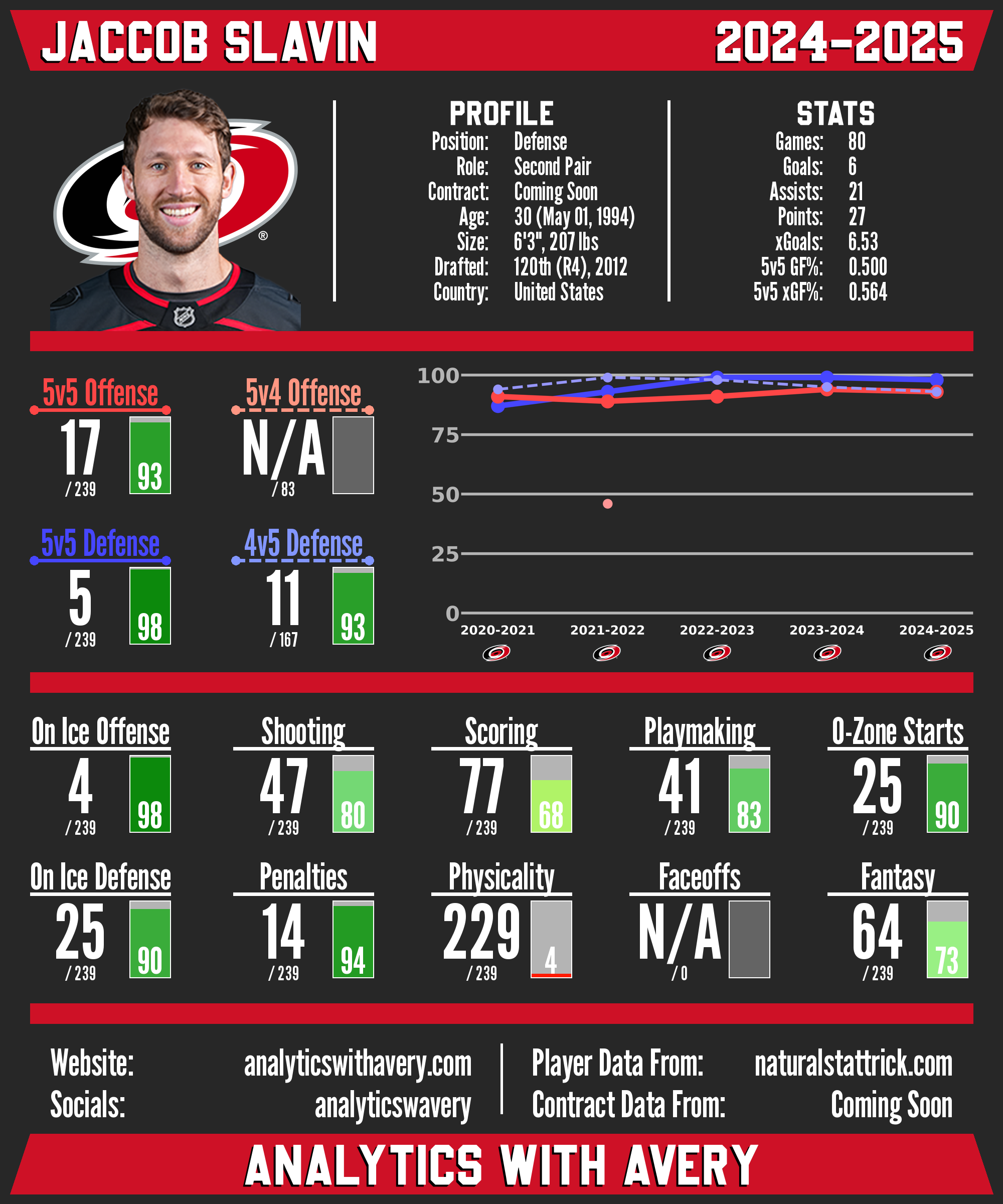
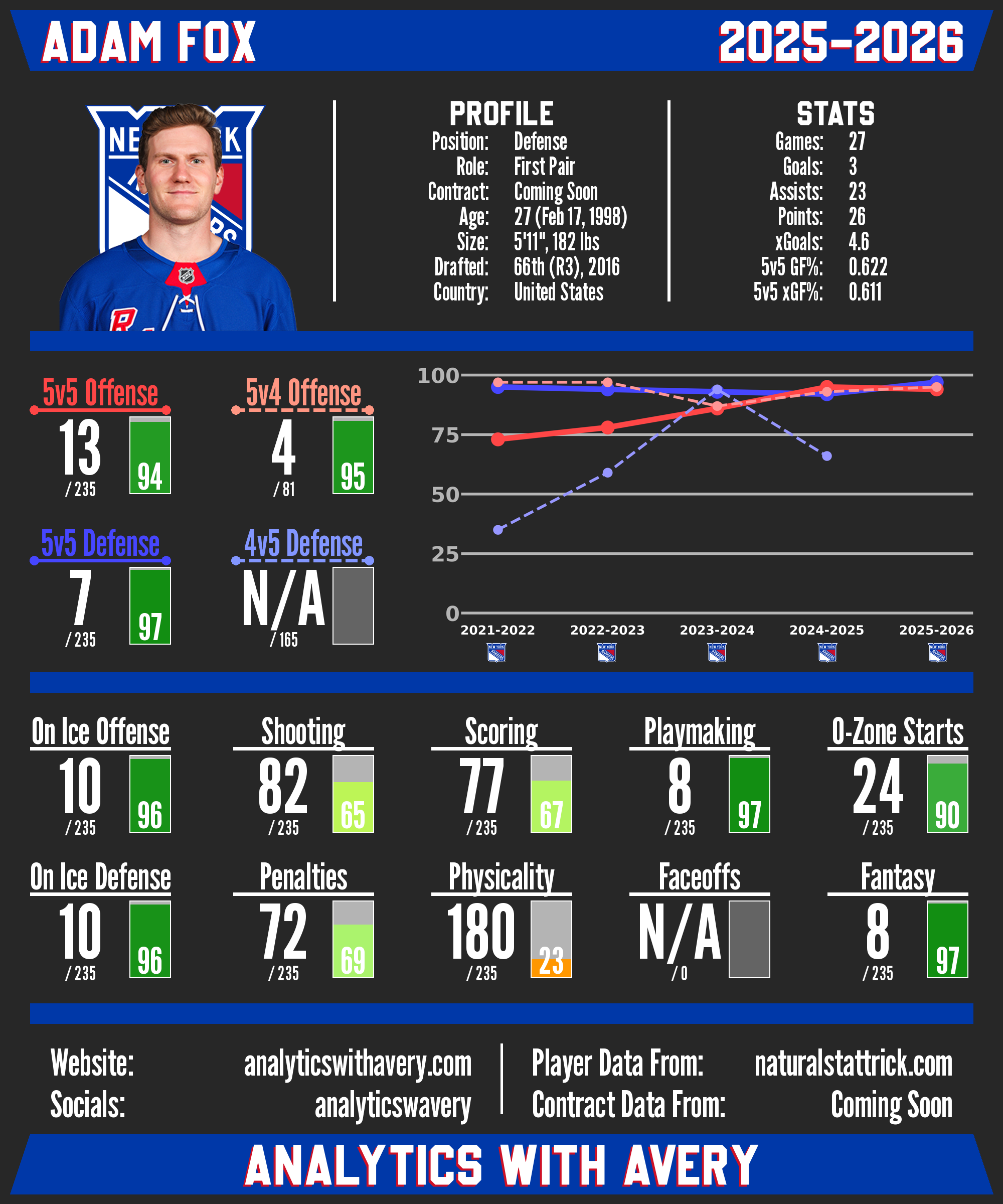
This defense group is exceptionally strong and arguably the deepest part of the roster. Zach Werenski, one of the league’s best offensive defensemen, is paired with Charlie McAvoy, a two-way force capable of handling tough minutes against top competition. Quinn Hughes, arguably the second-best defenseman in the league, is matched with Brock Faber, his current partner with the Wild. Their familiarity and growing chemistry should allow them to move the puck efficiently and drive play from the back end. Rounding out the group is the pairing of Jaccob Slavin and Adam Fox. Fox is one of the NHL’s best all-around defensemen, while Slavin remains the gold standard for defensive play. If there were an award specifically for the league’s best defensive defenseman, Slavin would have won it multiple times – and might even have it named after him.
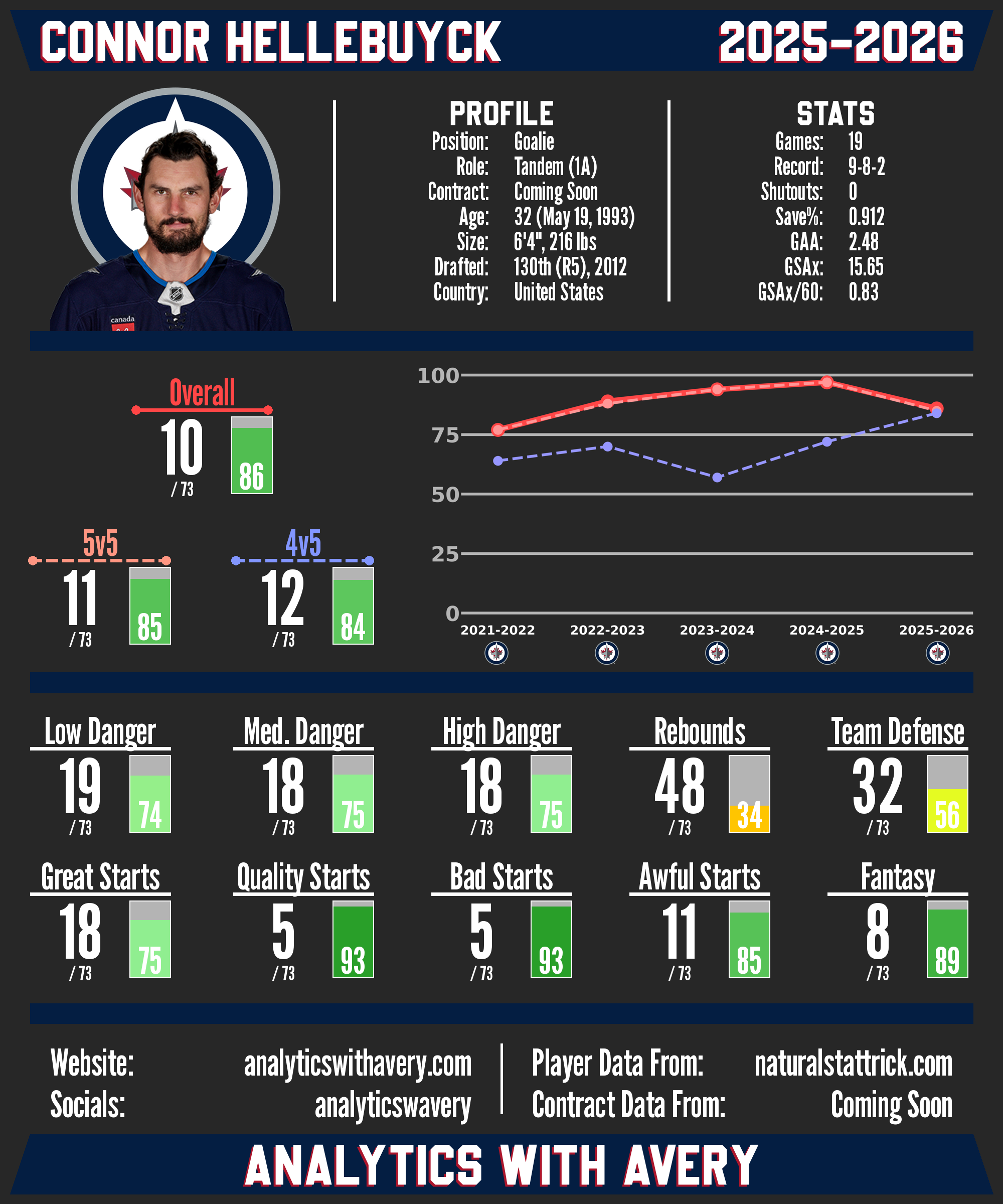
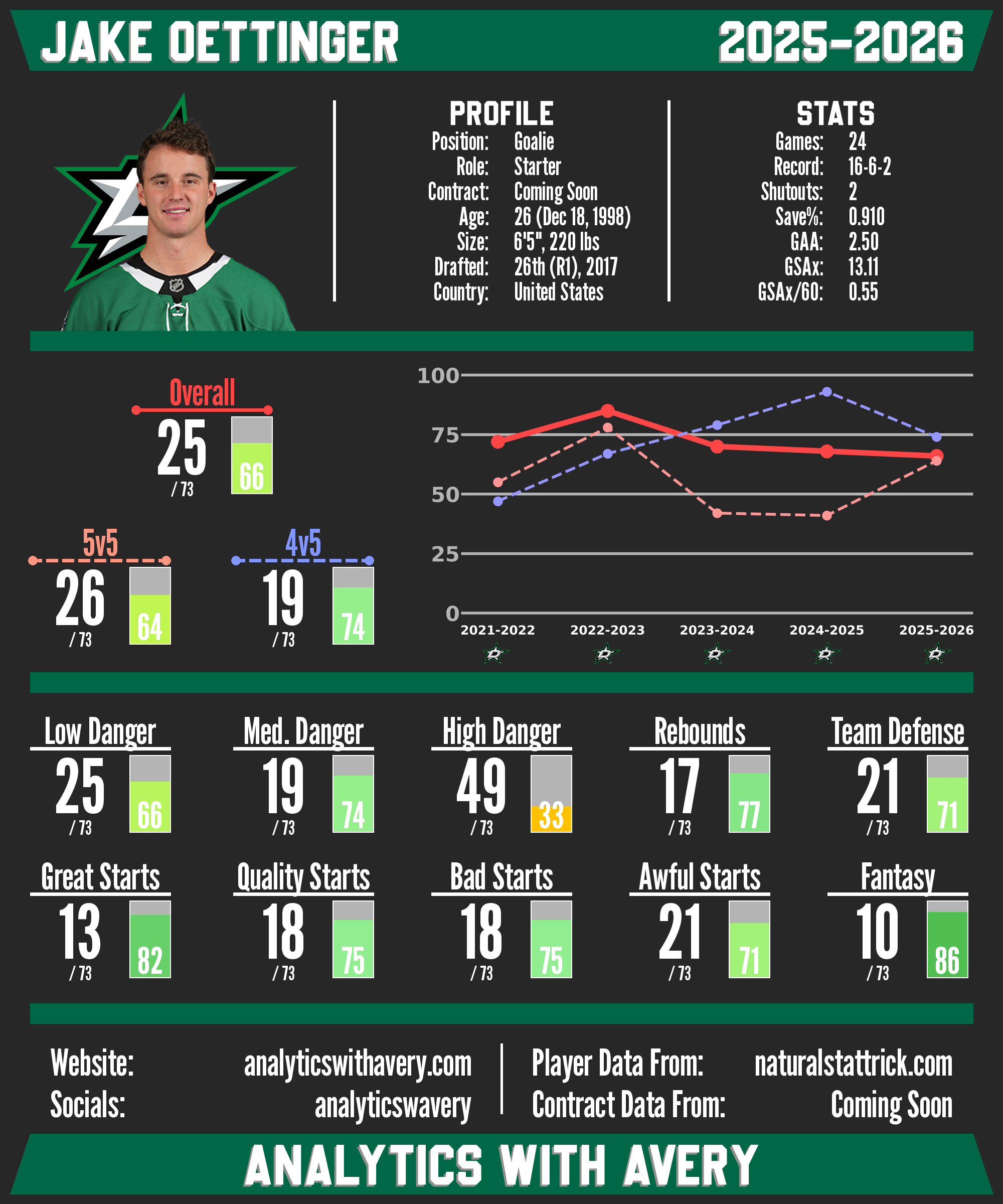
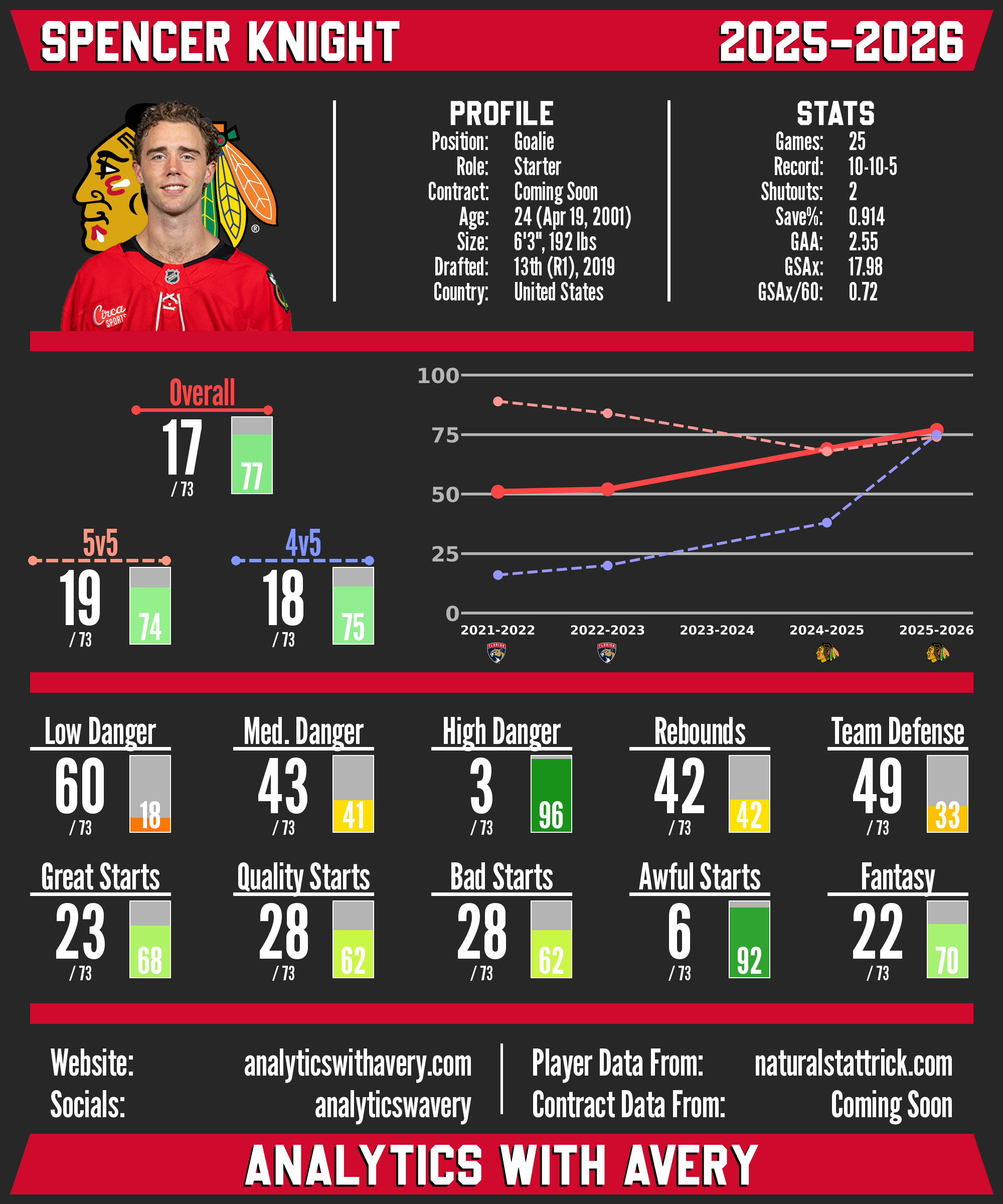
In goal, the tandem of Connor Hellebuyck and Jake Oettinger gives the United States two strong options. Both have consistently proven themselves as elite starters at the NHL level. Hellebuyck would be the likely opening-night starter, but Oettinger provides a reliable alternative if a change is needed. Any third goaltender chosen is unlikely to see much game action, so for my pick, I went with Spencer Knight, who's been having a great season. The experience would be valuable for his development and could position him as a legitimate starting option for future Olympic tournaments.
Other Potential Players:
Forwards: J.T. Miller, Chris Kreider, Clayton Keller, Cole Caufield, Alex DeBrincat. Defense: John Carlson, Jackson LaCombe, Lane Hutson, Seth Jones, Brett Pesce. Goalies: Jeremy Swayman, Thatcher Demko, Joey Daccord.
Sweden
Forwards:
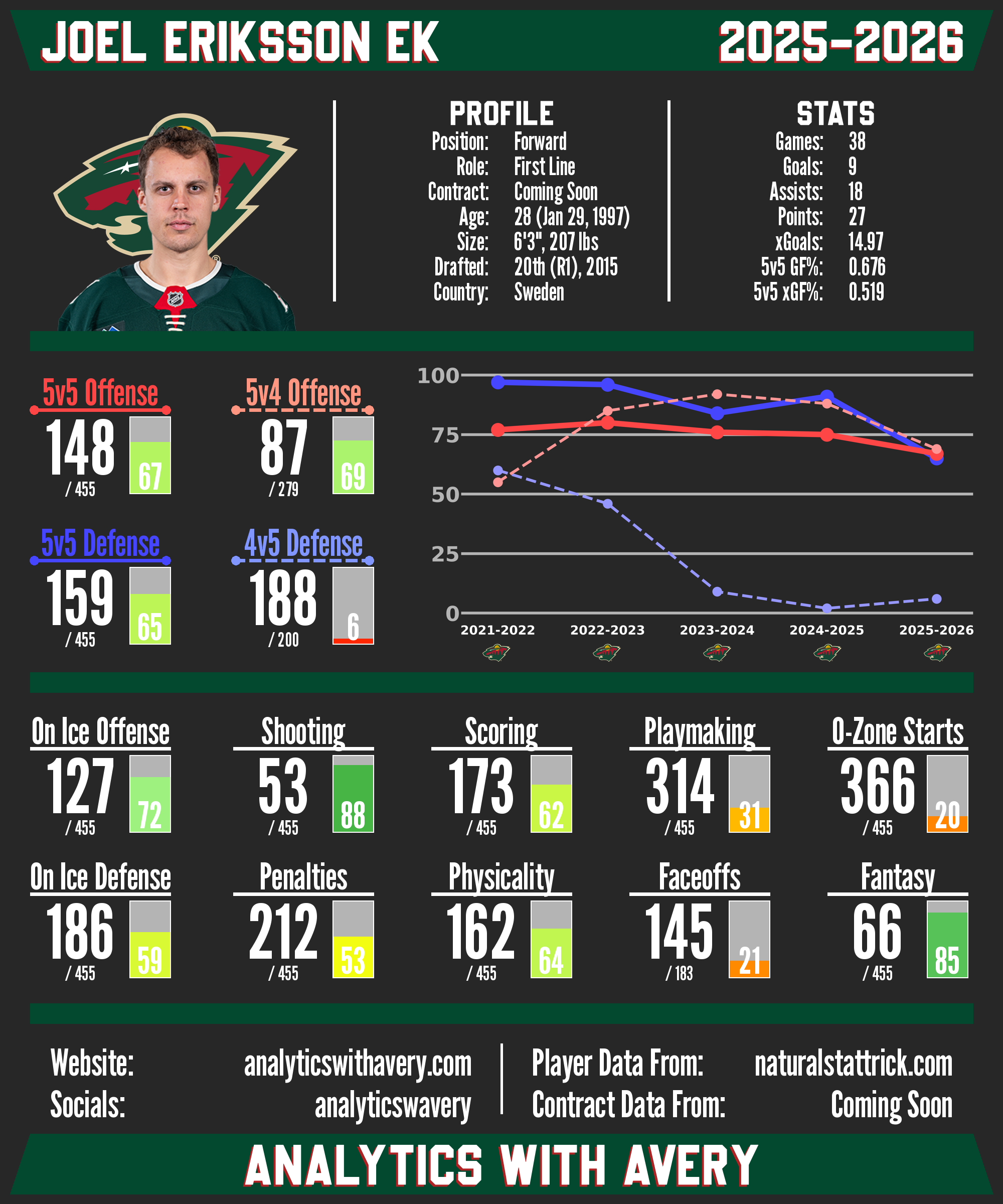
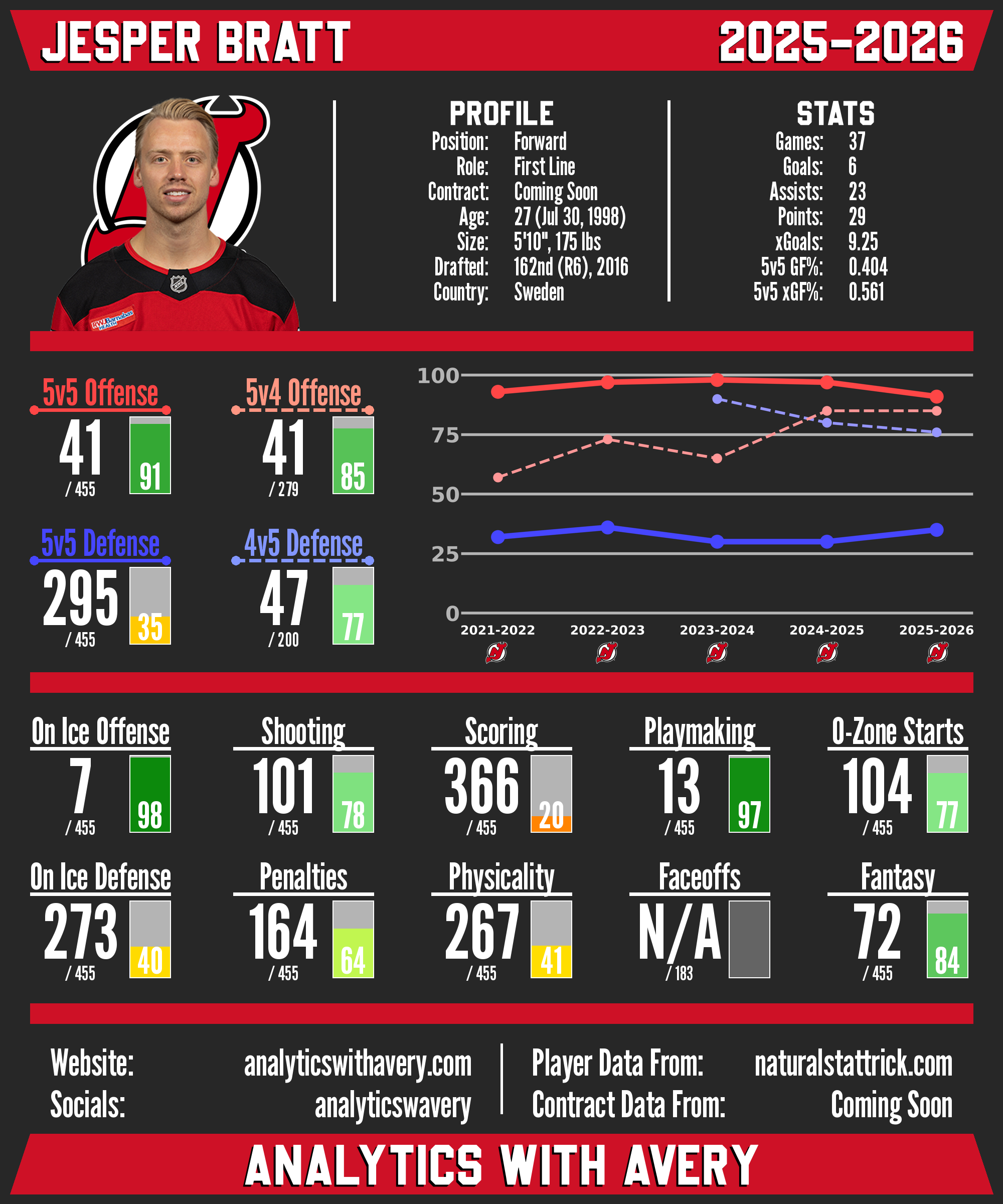
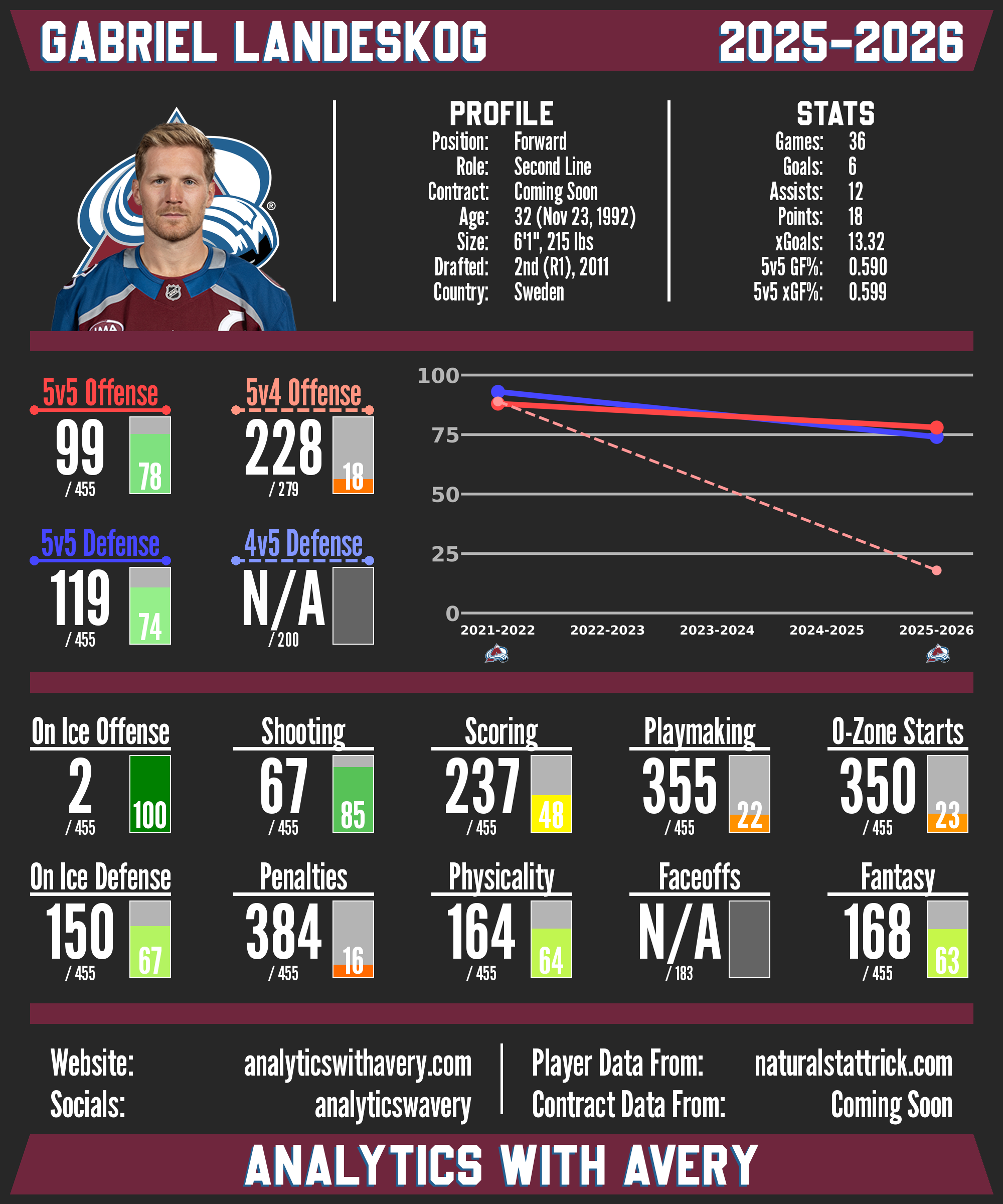
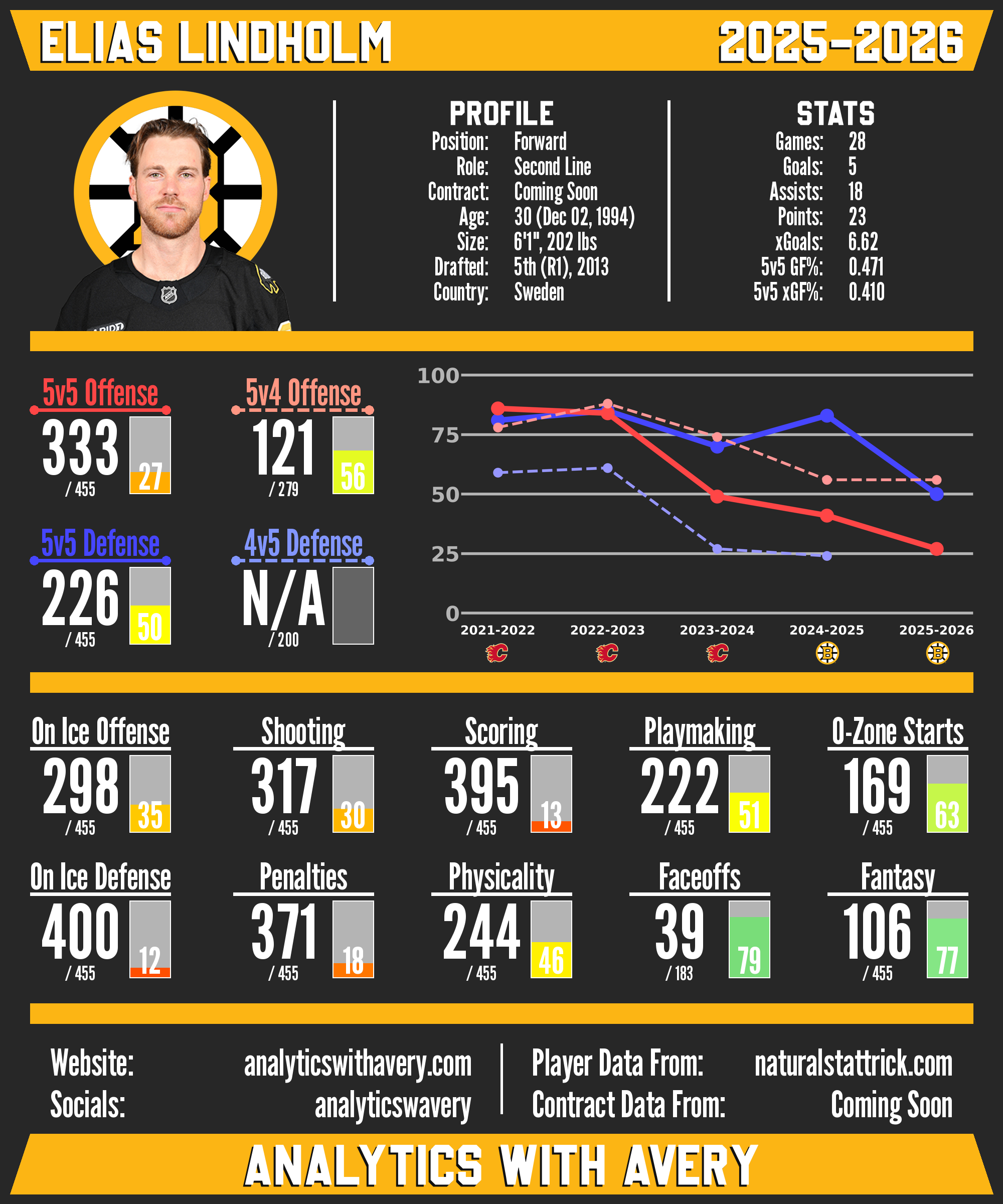
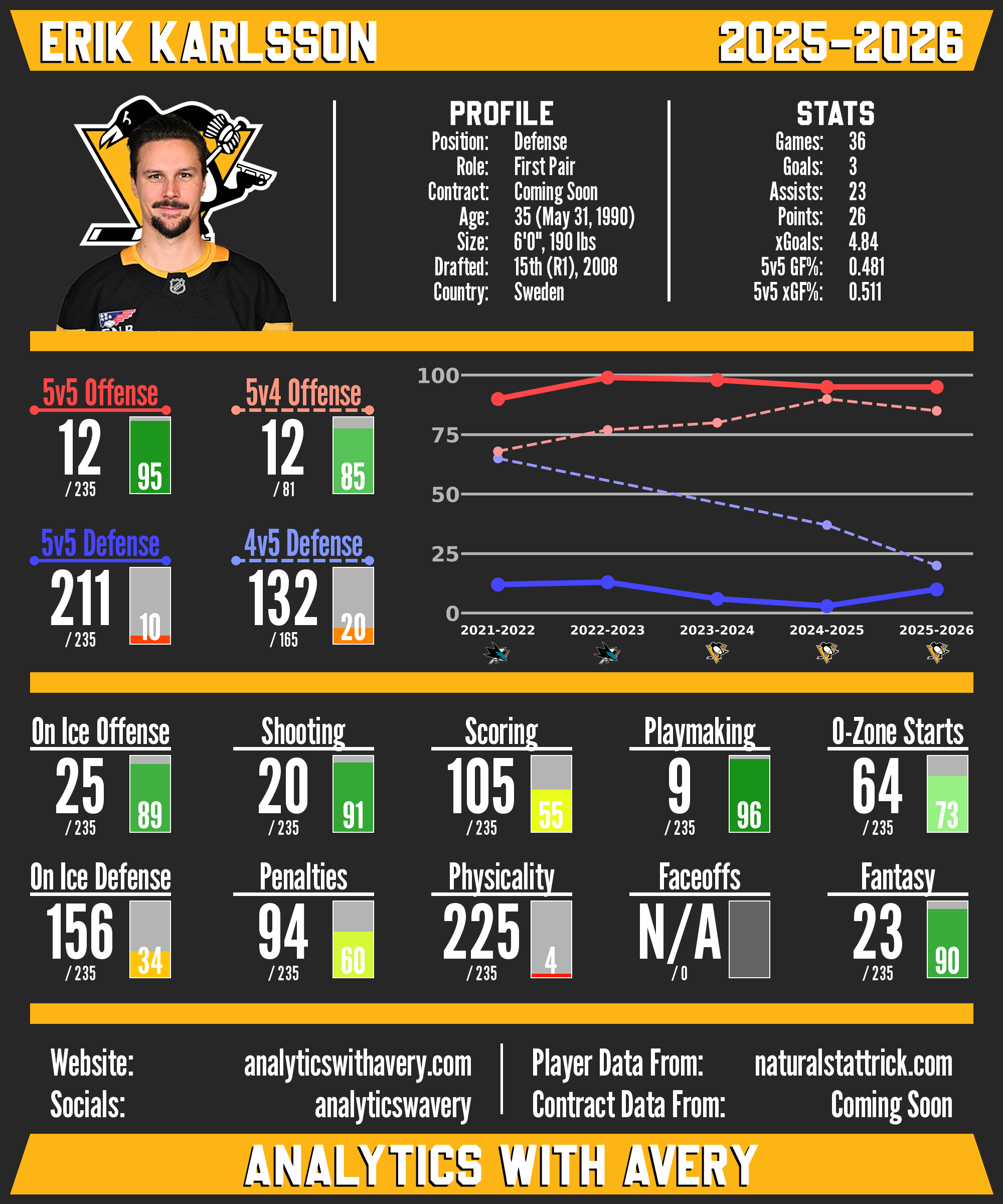
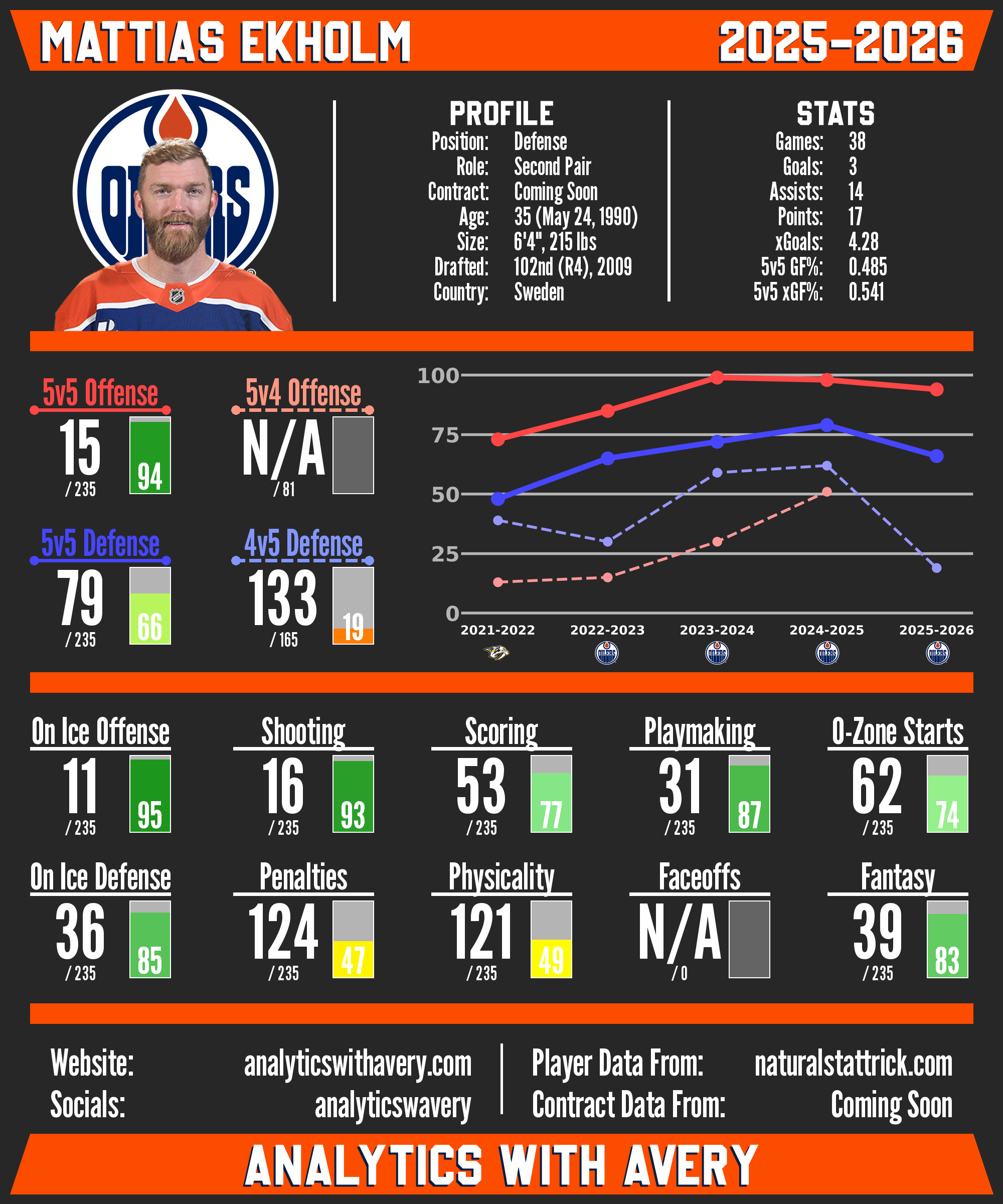
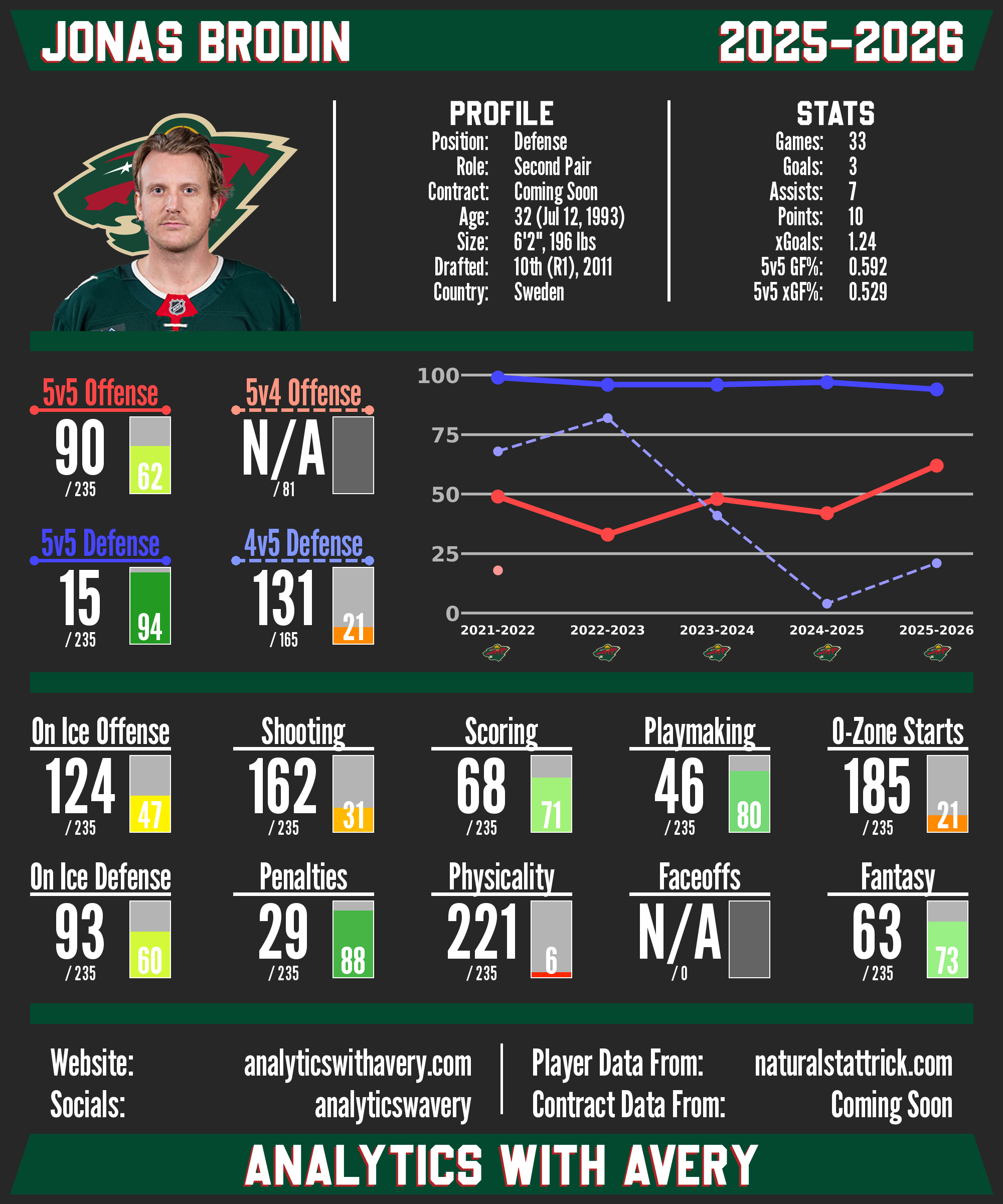
Defensemen:
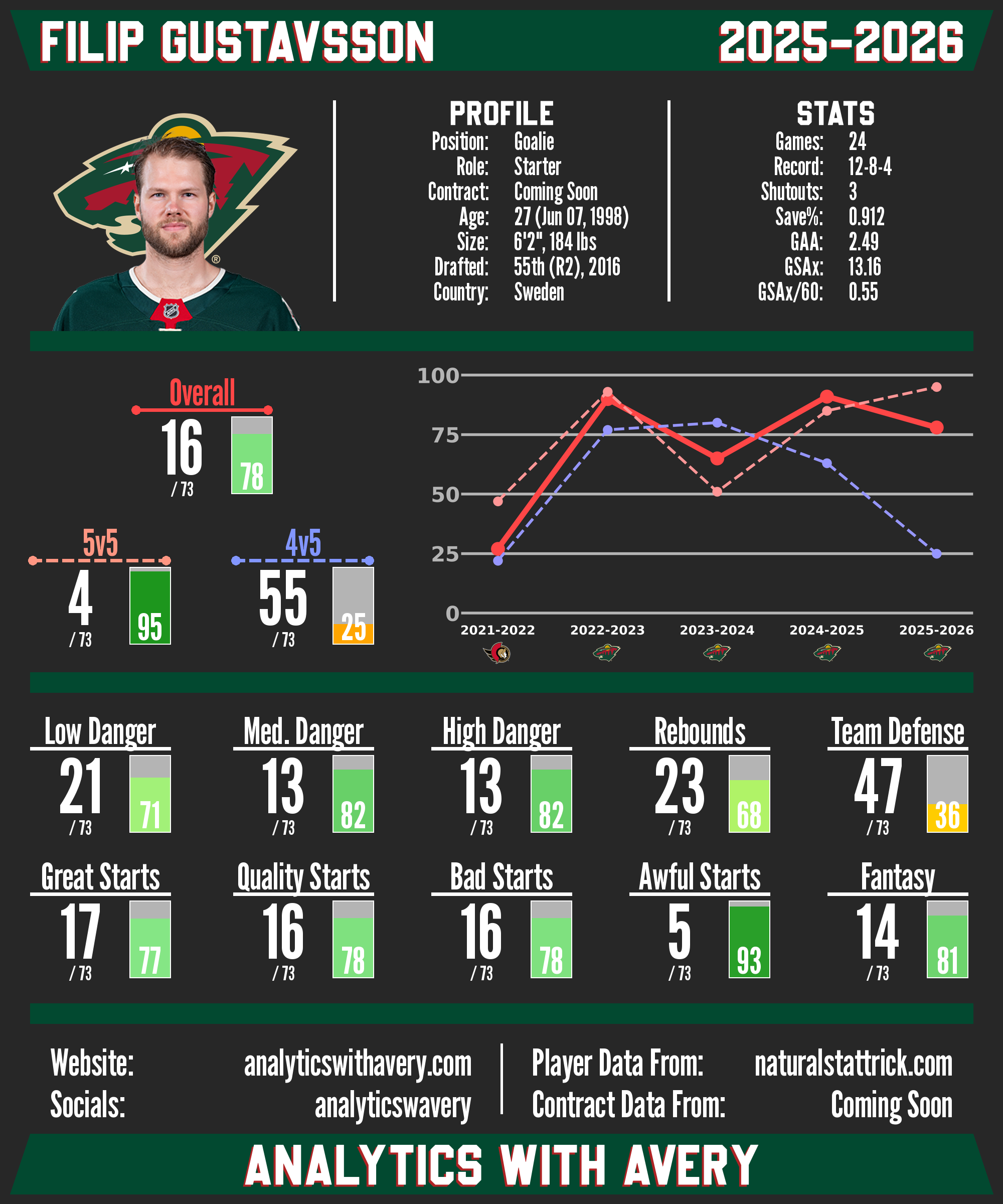
Goalies:
Extras:
Summary
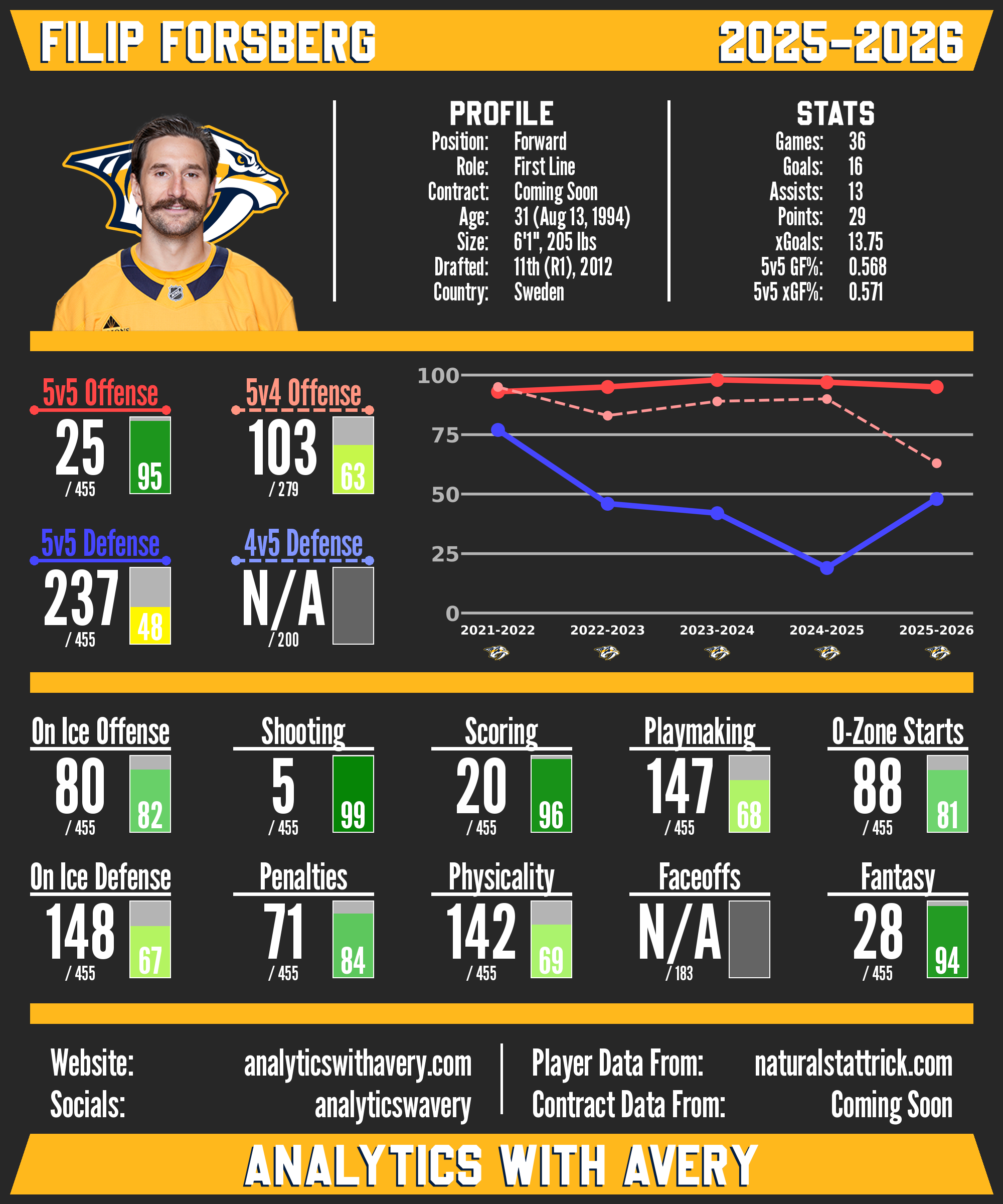
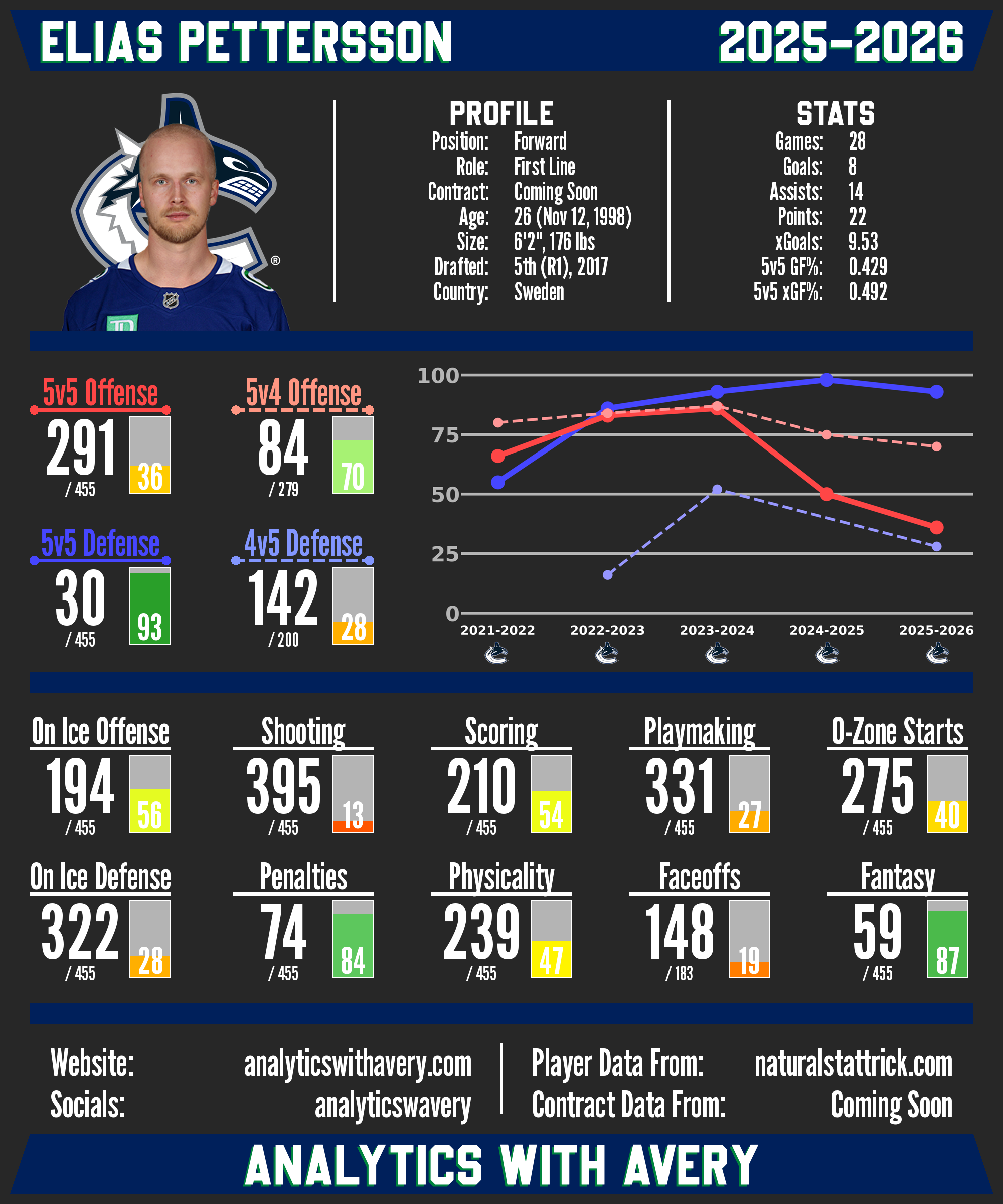
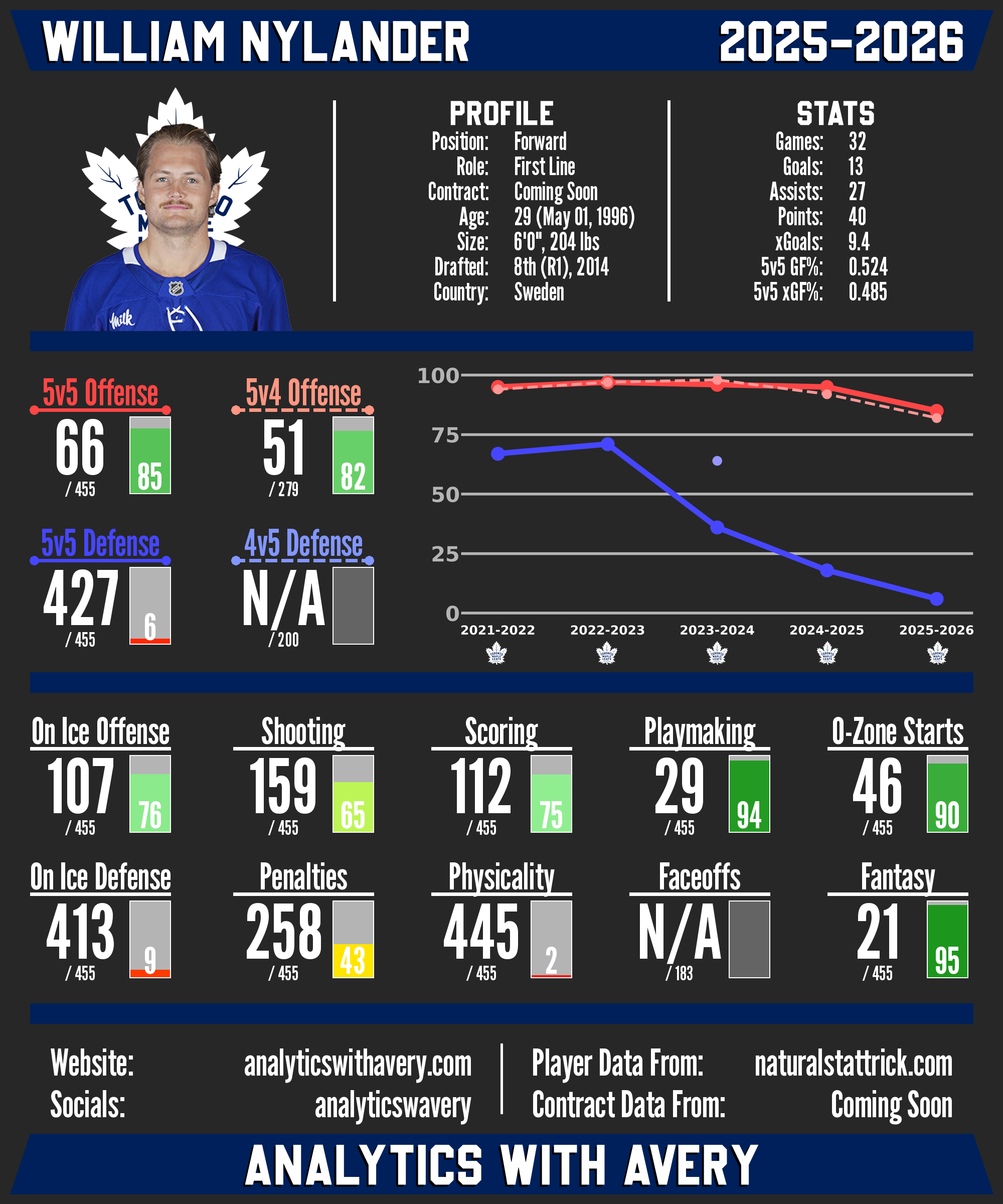
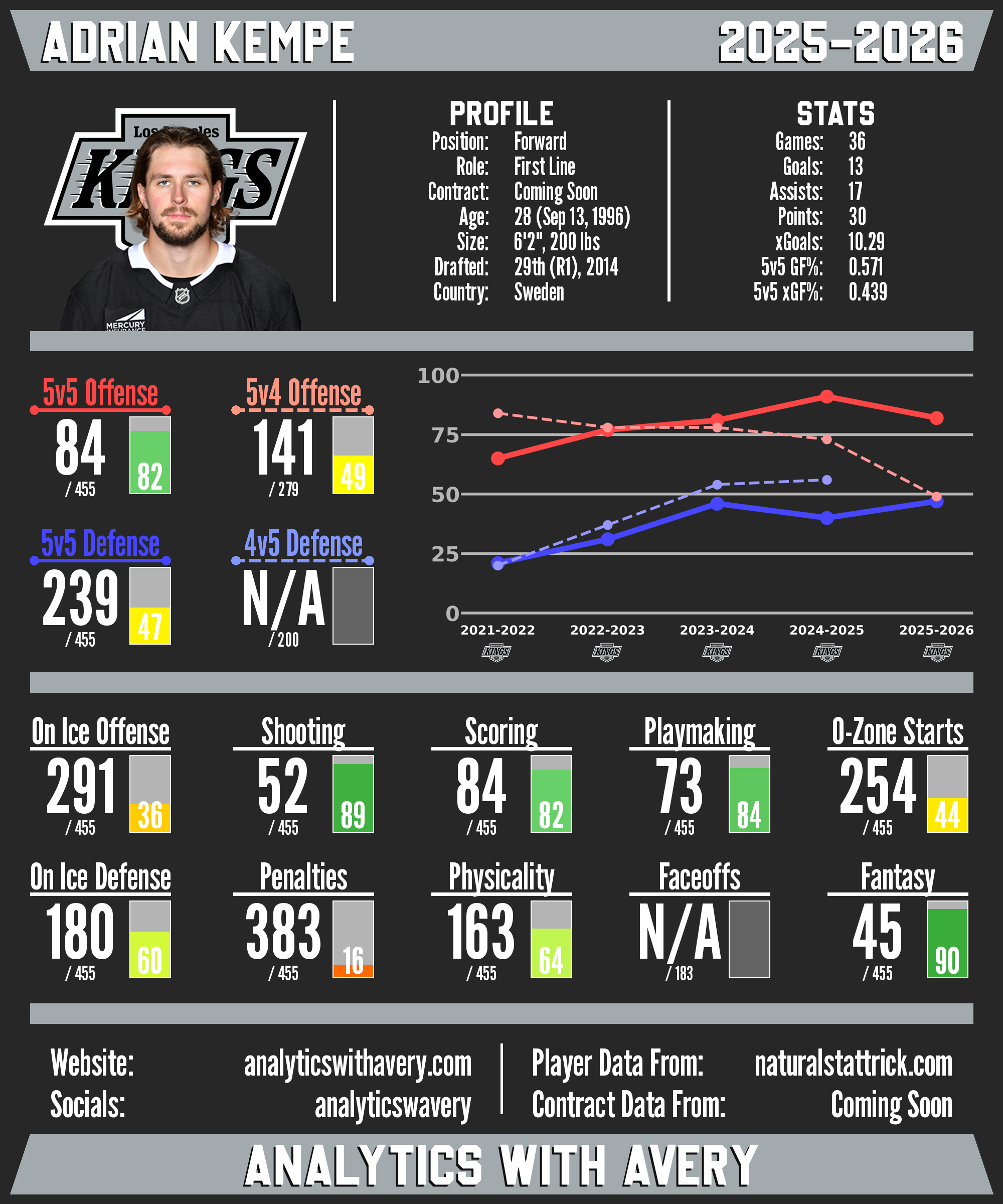
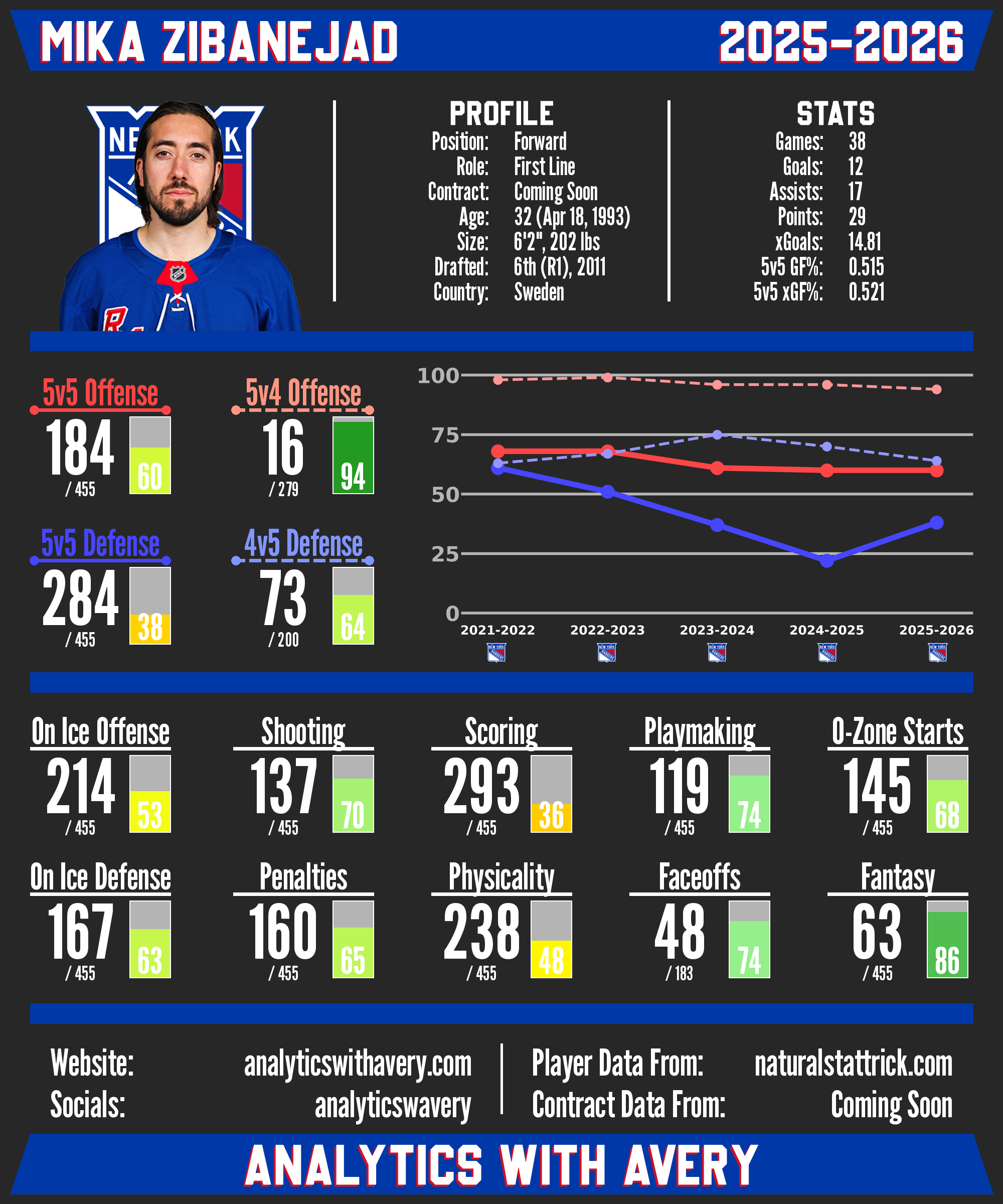
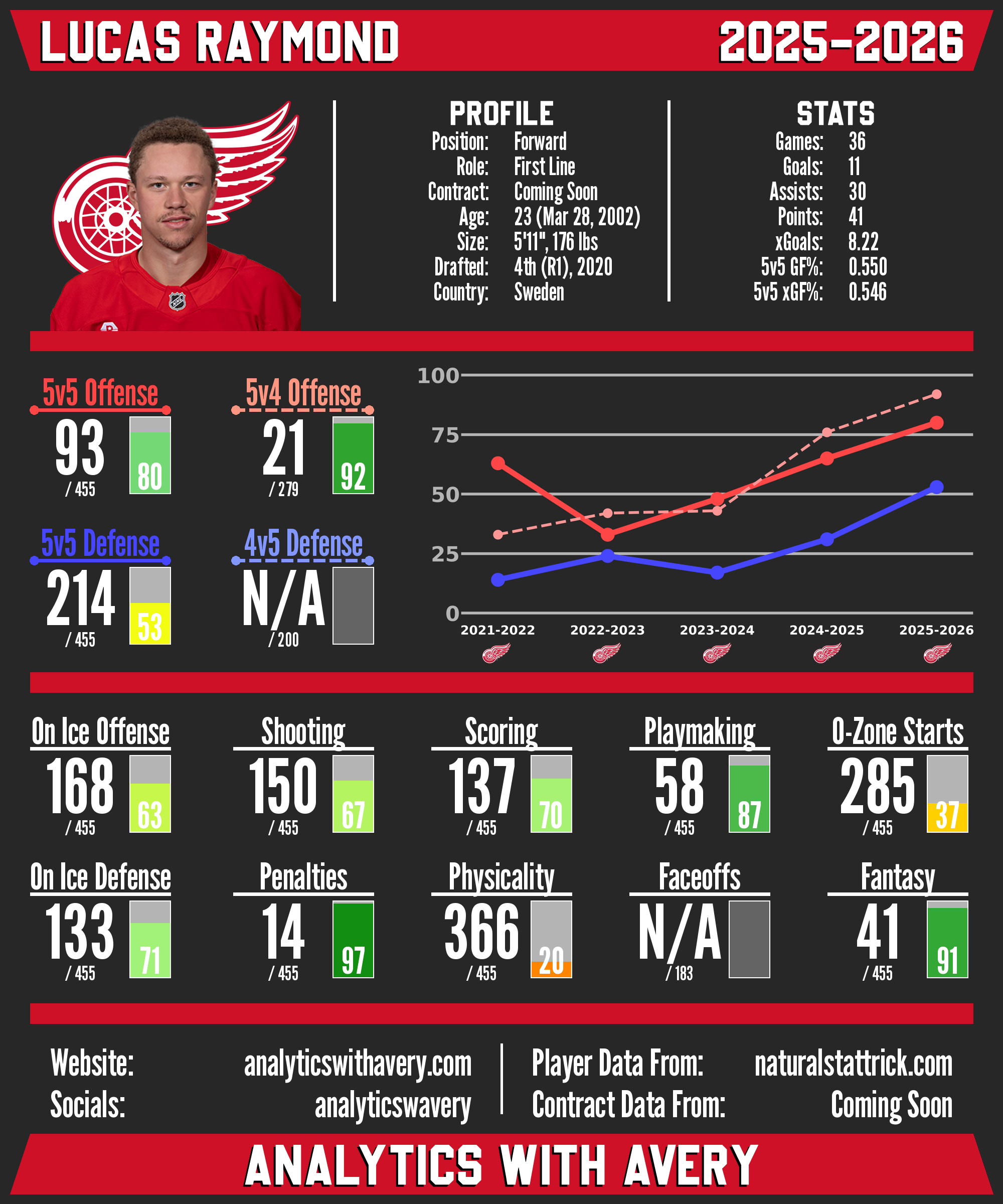
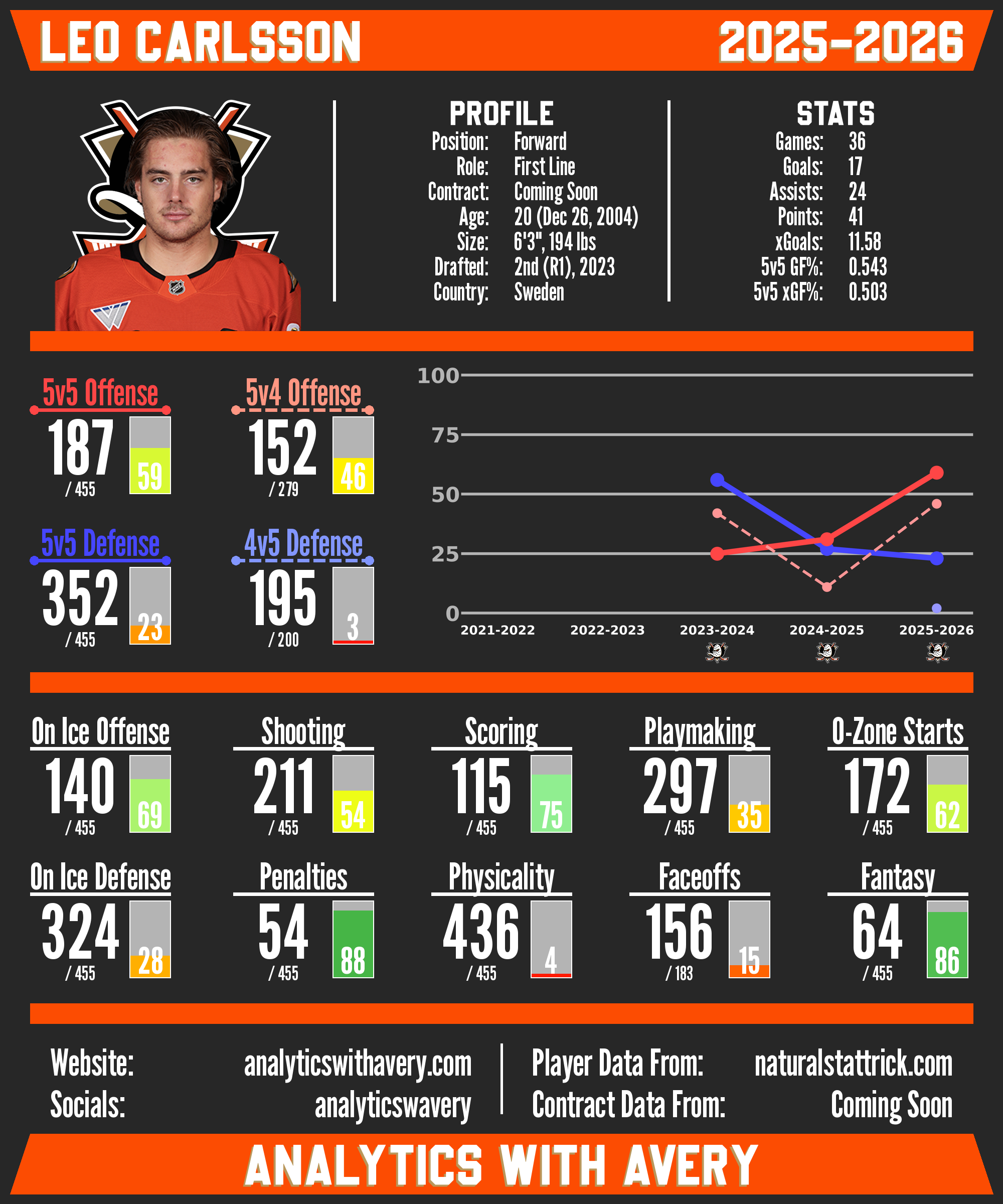
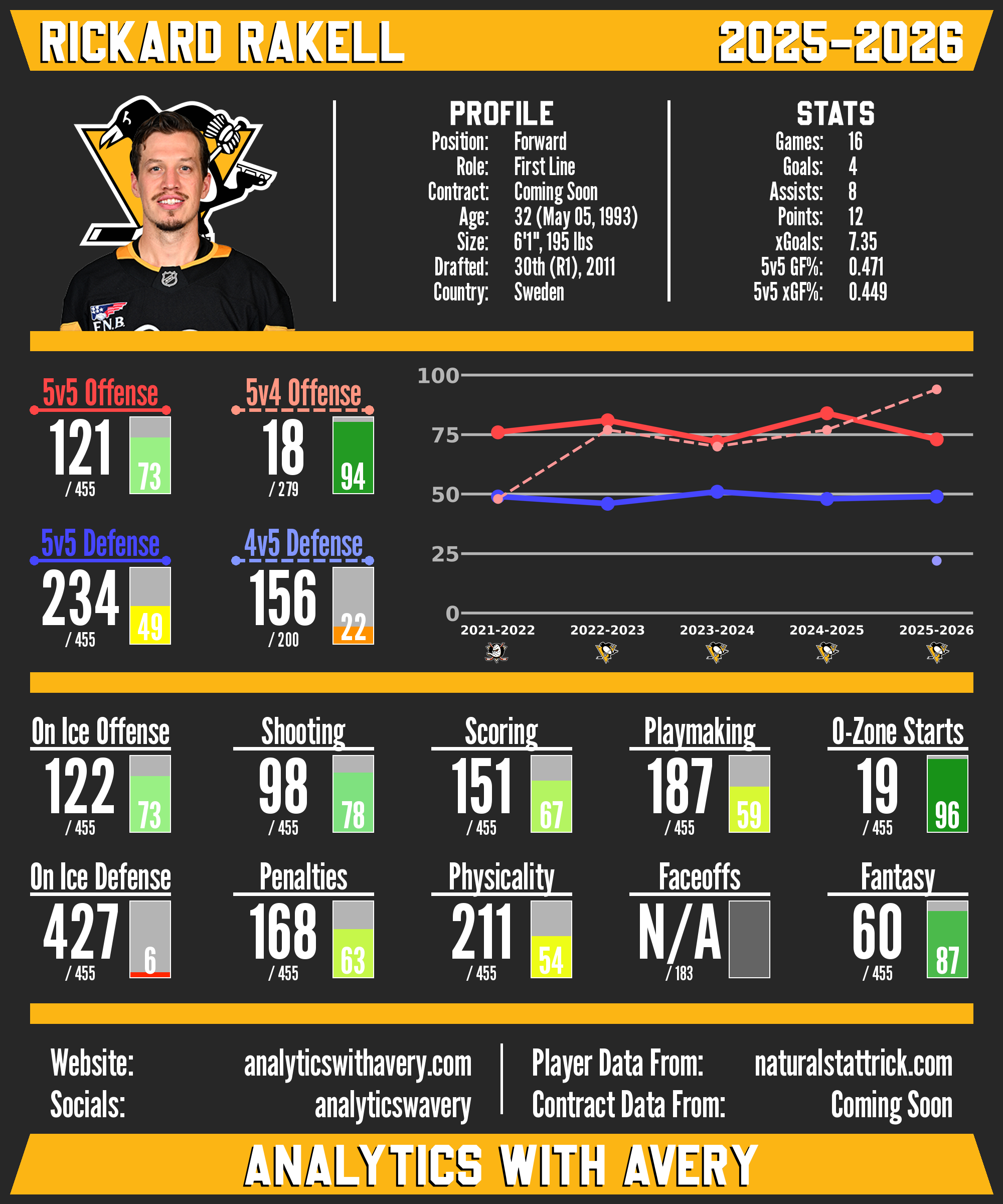
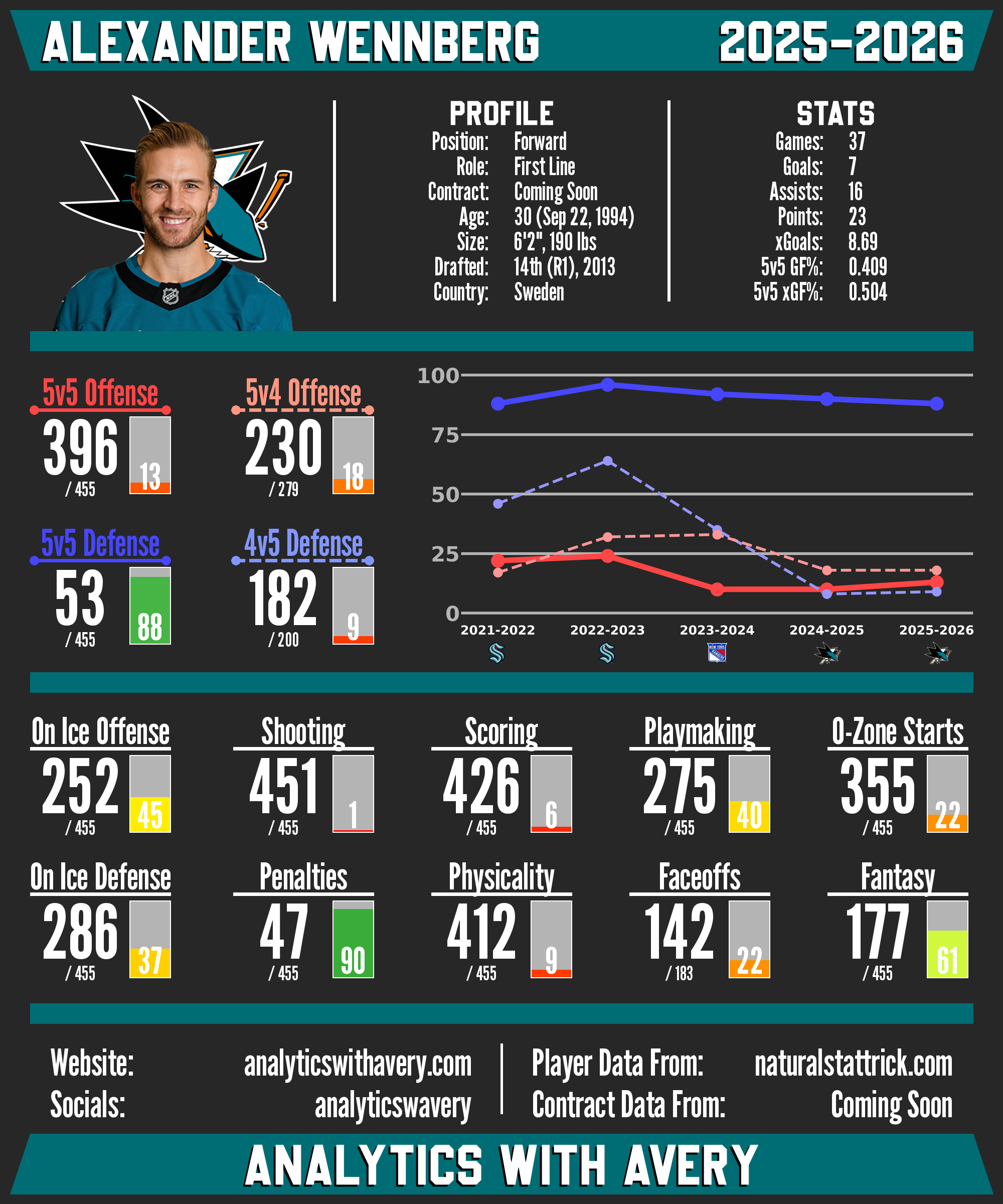
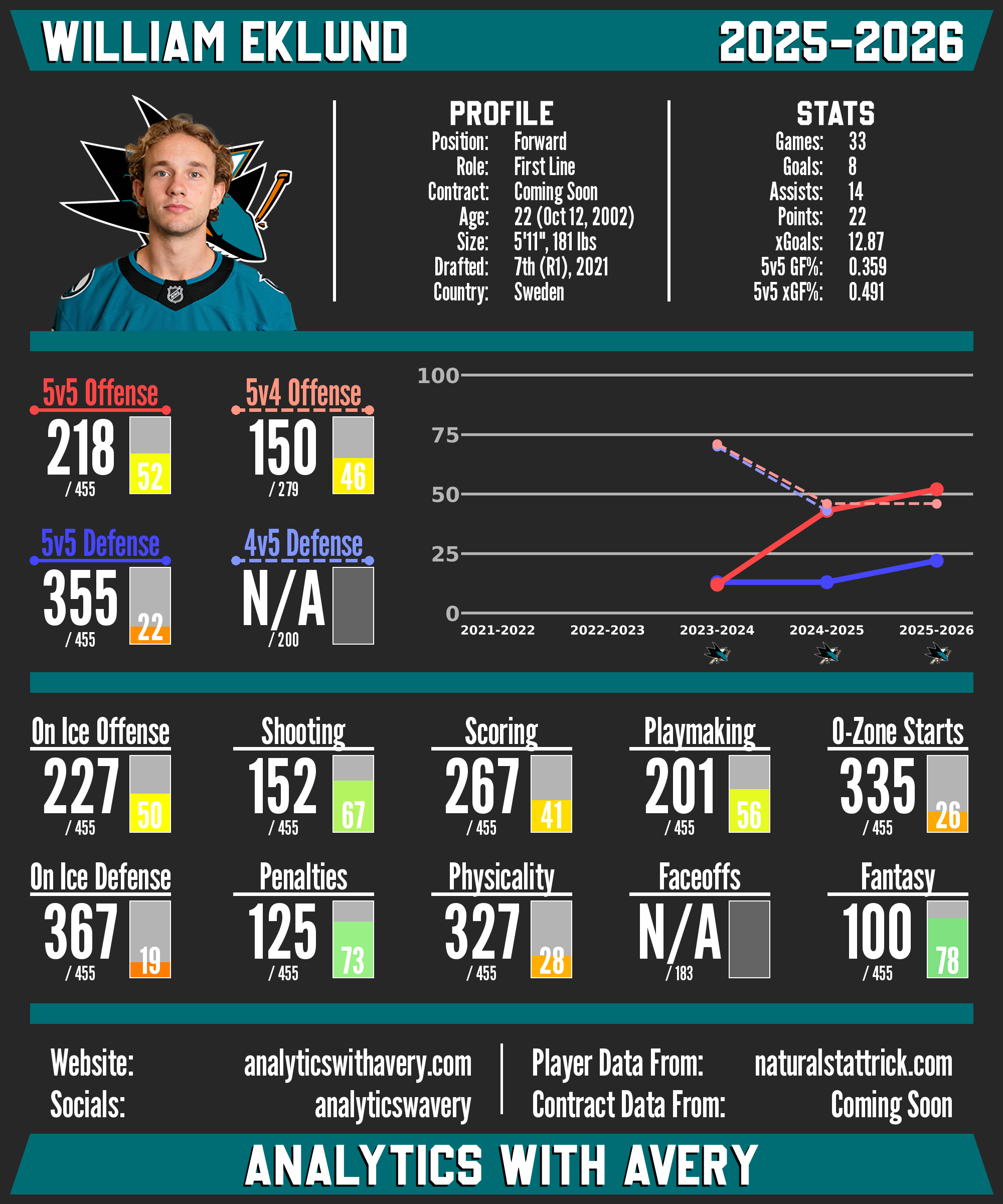
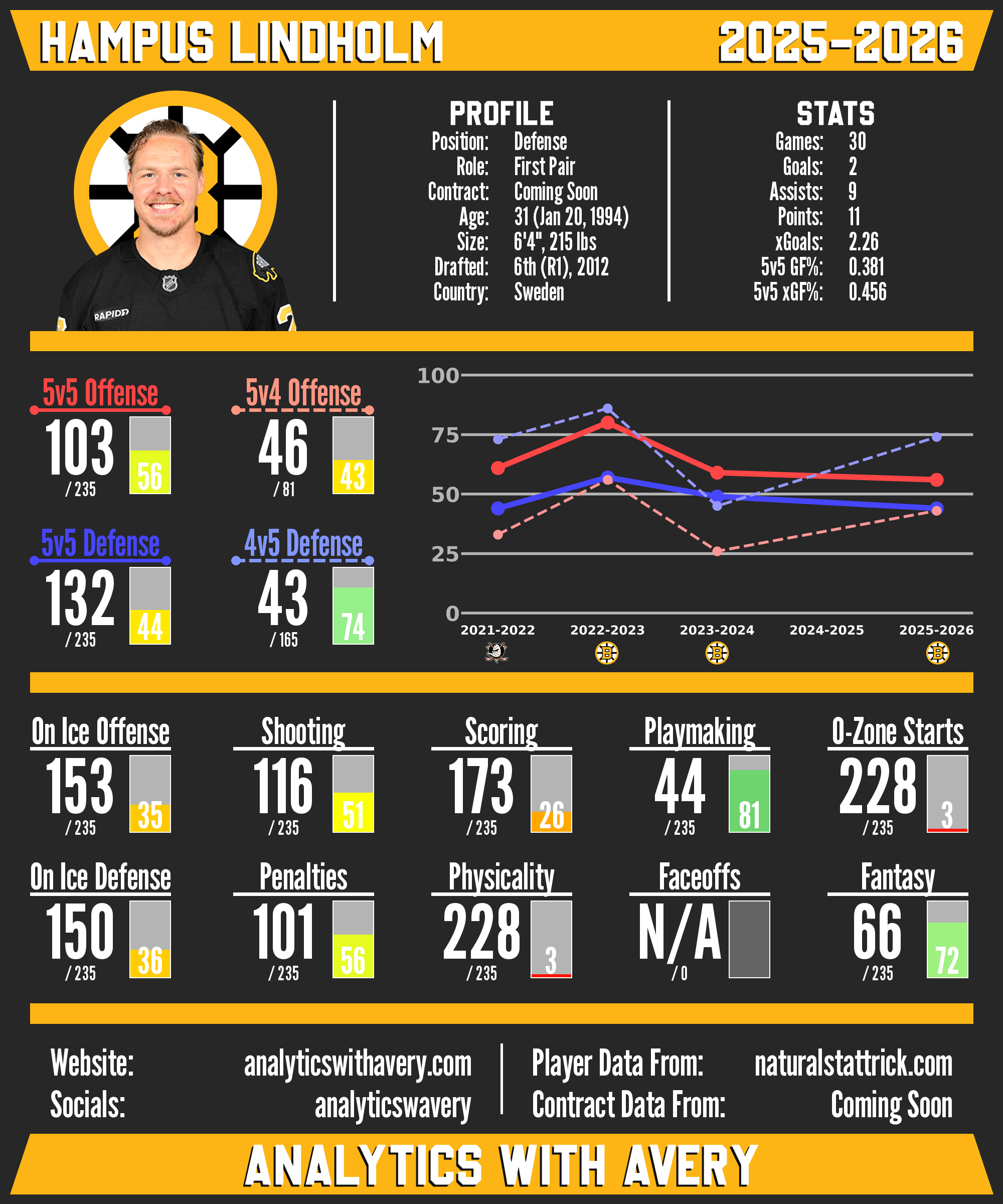
Up front, Sweden has a collection of elite wingers. Nylander, Forsberg, Kempe, and Bratt are experienced goal-scoring threats, and Carlsson and Raymond are exciting young stars. Their center group isn't as strong, but Pettersson, Zibanejad and Eriksson Ek all have the potential to fill their roles well. It was announced that Sweden will be missing William Karlsson, who I had as the perfect bottom six center for this team, so instead Lindholm will be stepping up on the fourth line with veterans Landeskog and Rakell.
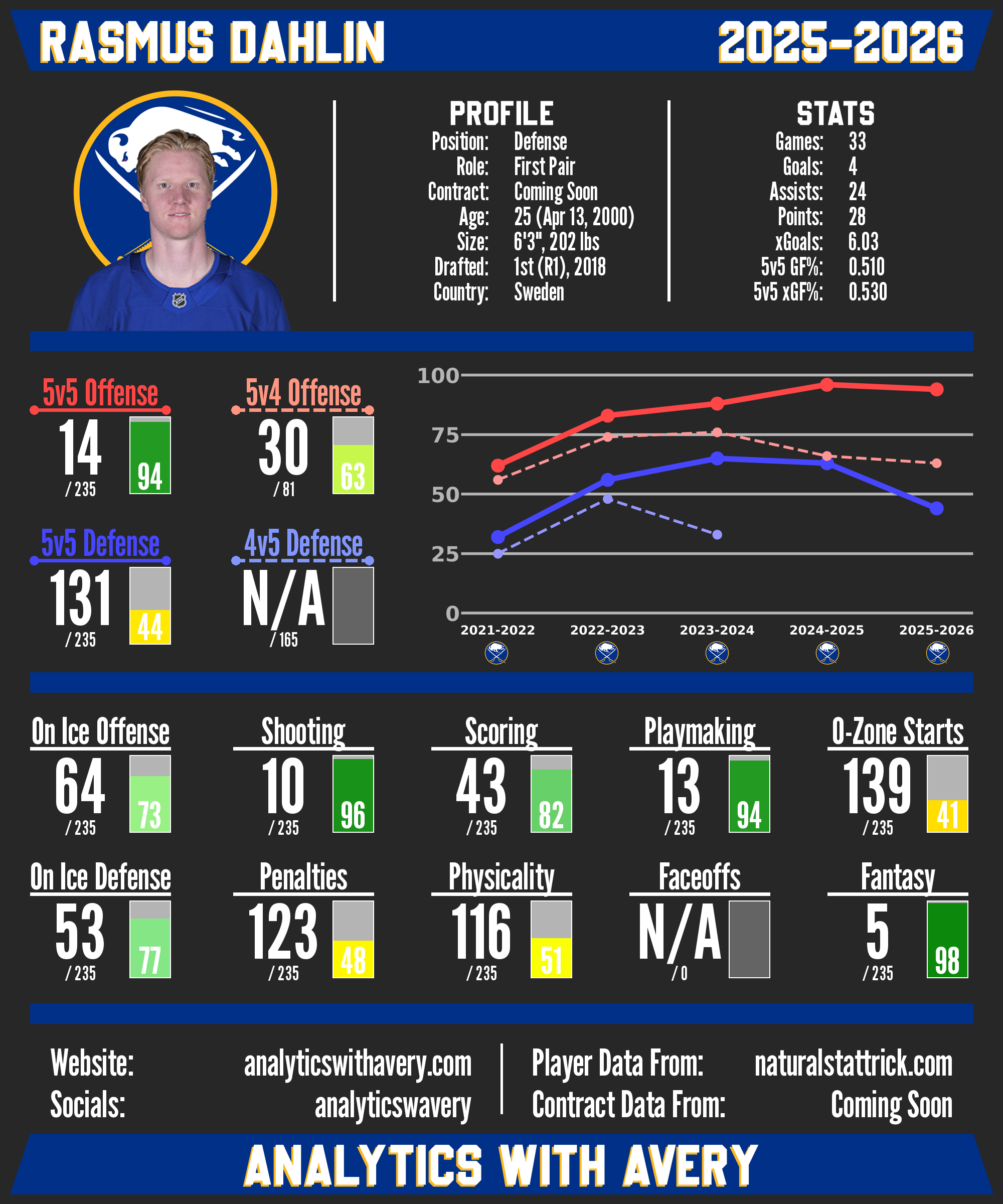
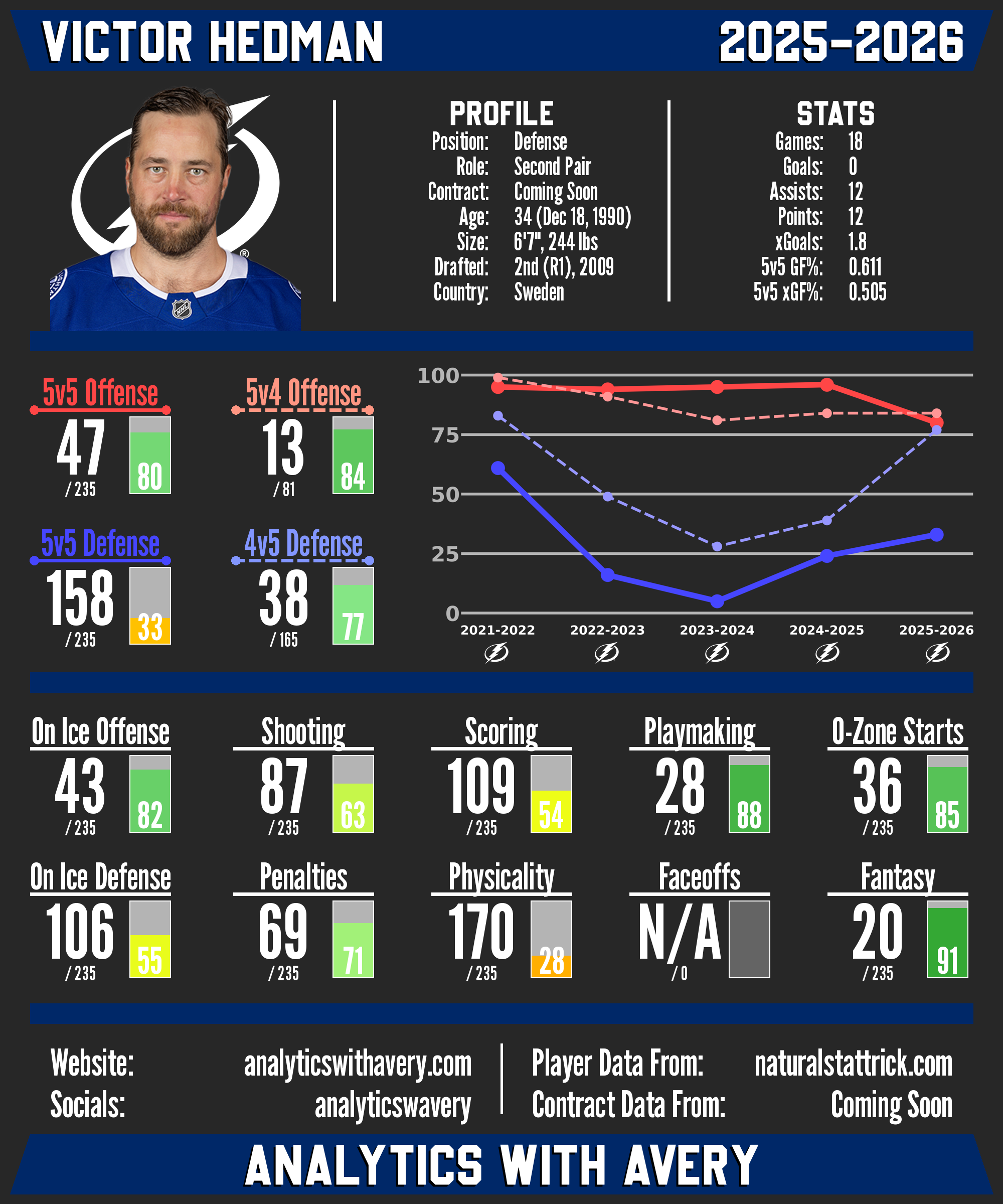
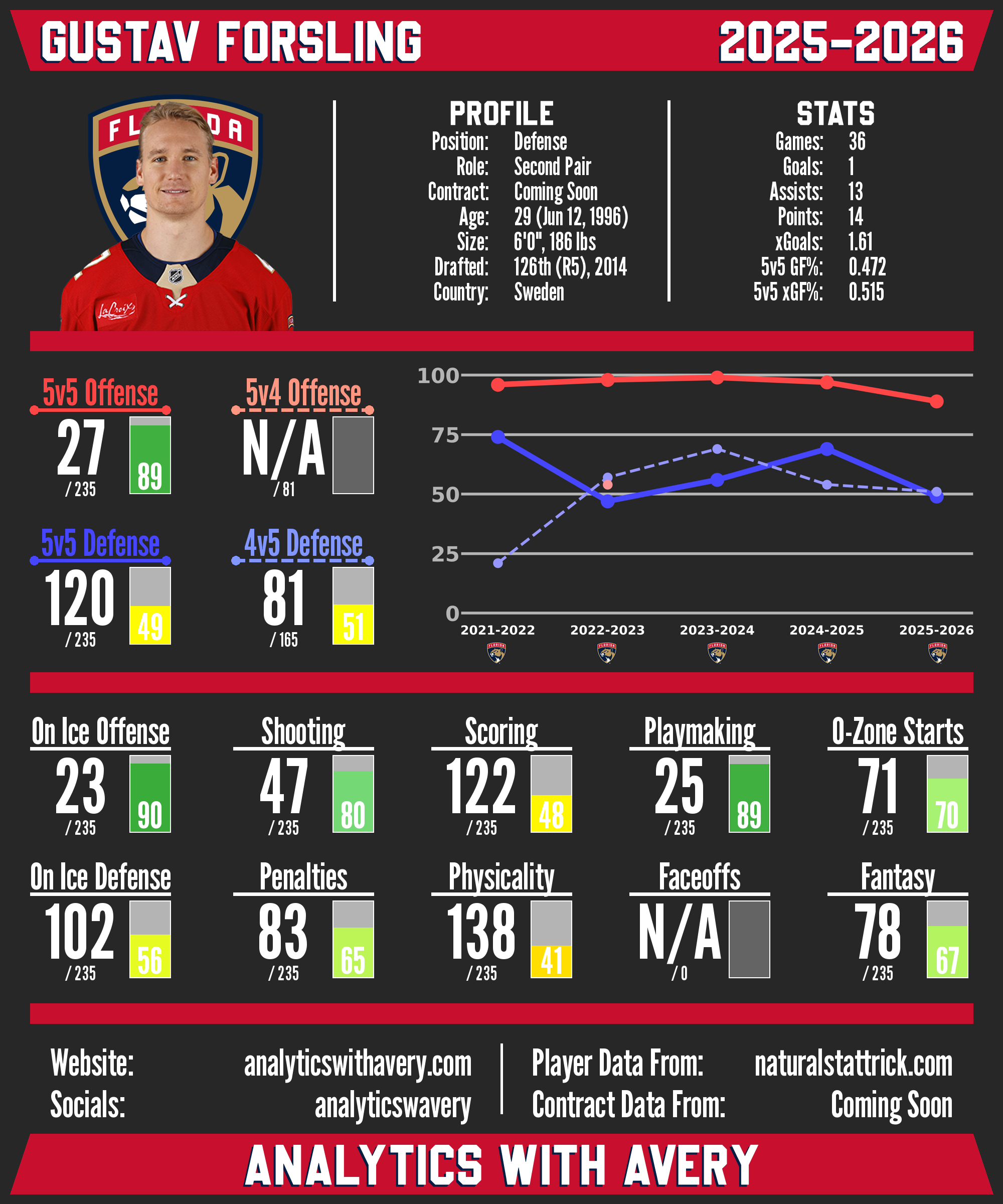
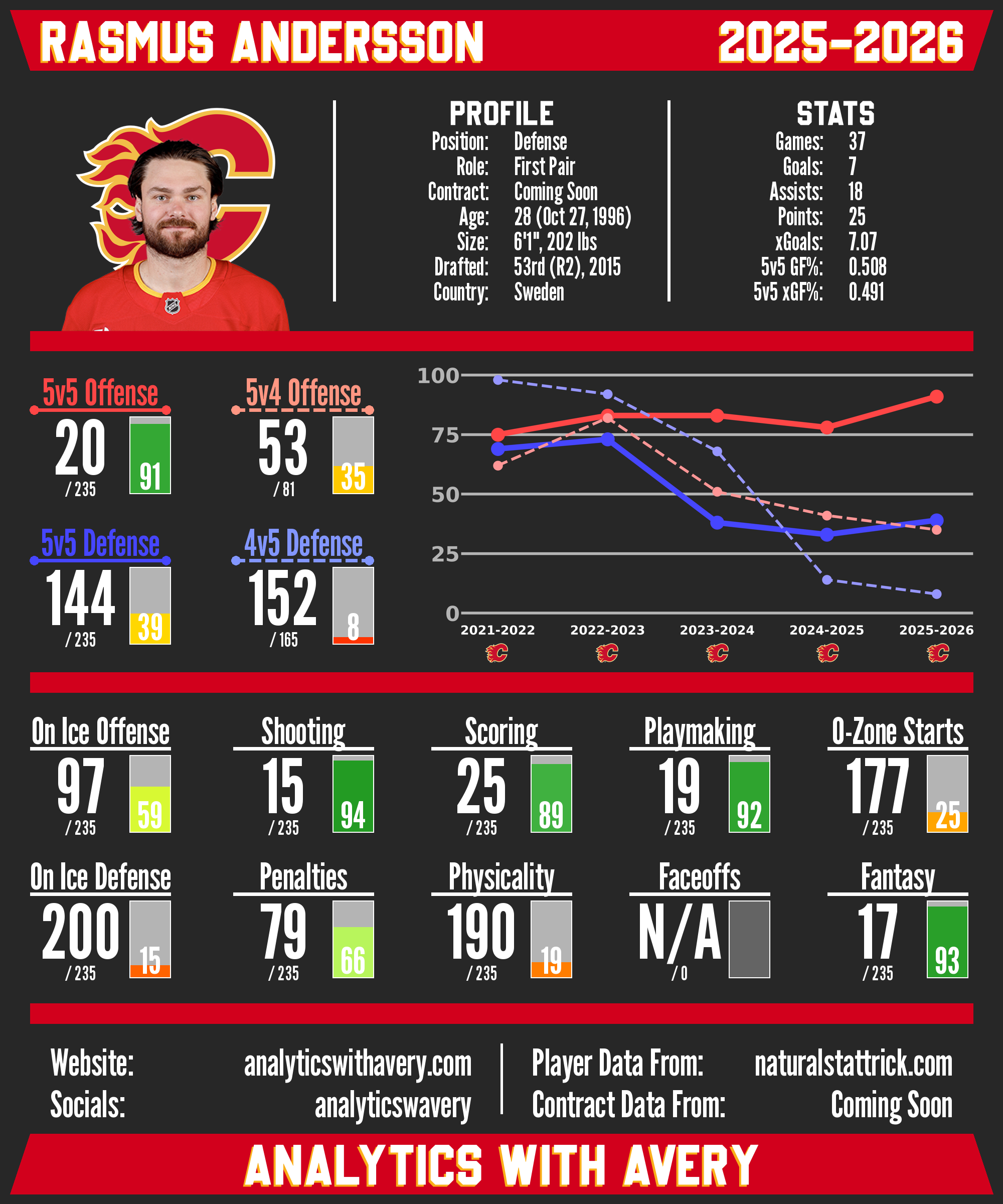
On defense, Sweden’s strength is experience and versatility. Rasmus Dahlin and Victor Hedman form an elite top pairing that combines grit, puck-moving, and heavy minutes against top competition. Behind them, Gustav Forsling and Erik Karlsson offer a strong mix of defensive reliability and offensive skill, respectively. The final pairing of Mattias Ekholm and Jonas Brodin adds further defensive stability and penalty-killing ability, giving Sweden a blue line that can comfortably handle any matchup while maintaining structure in all three zones.
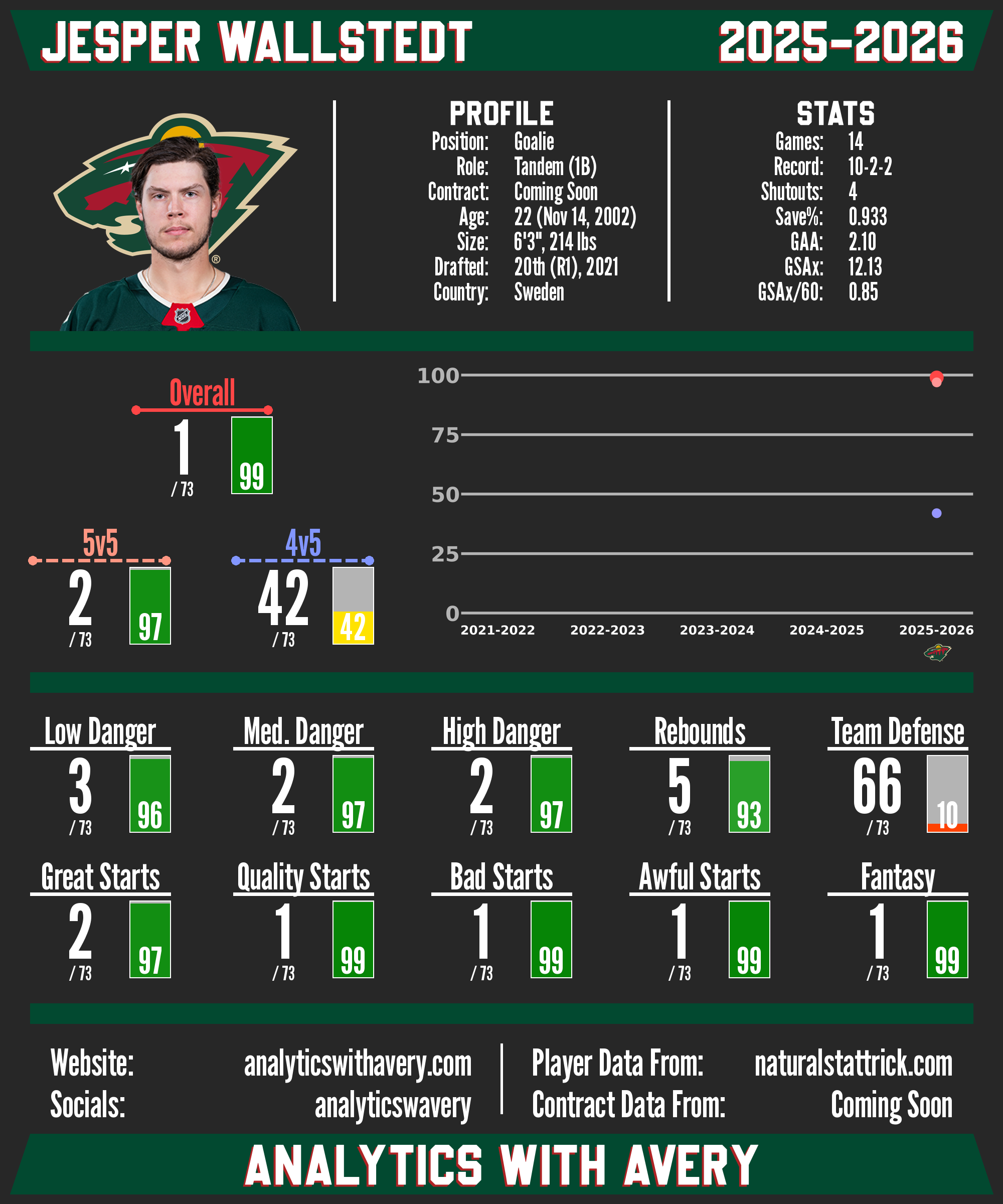
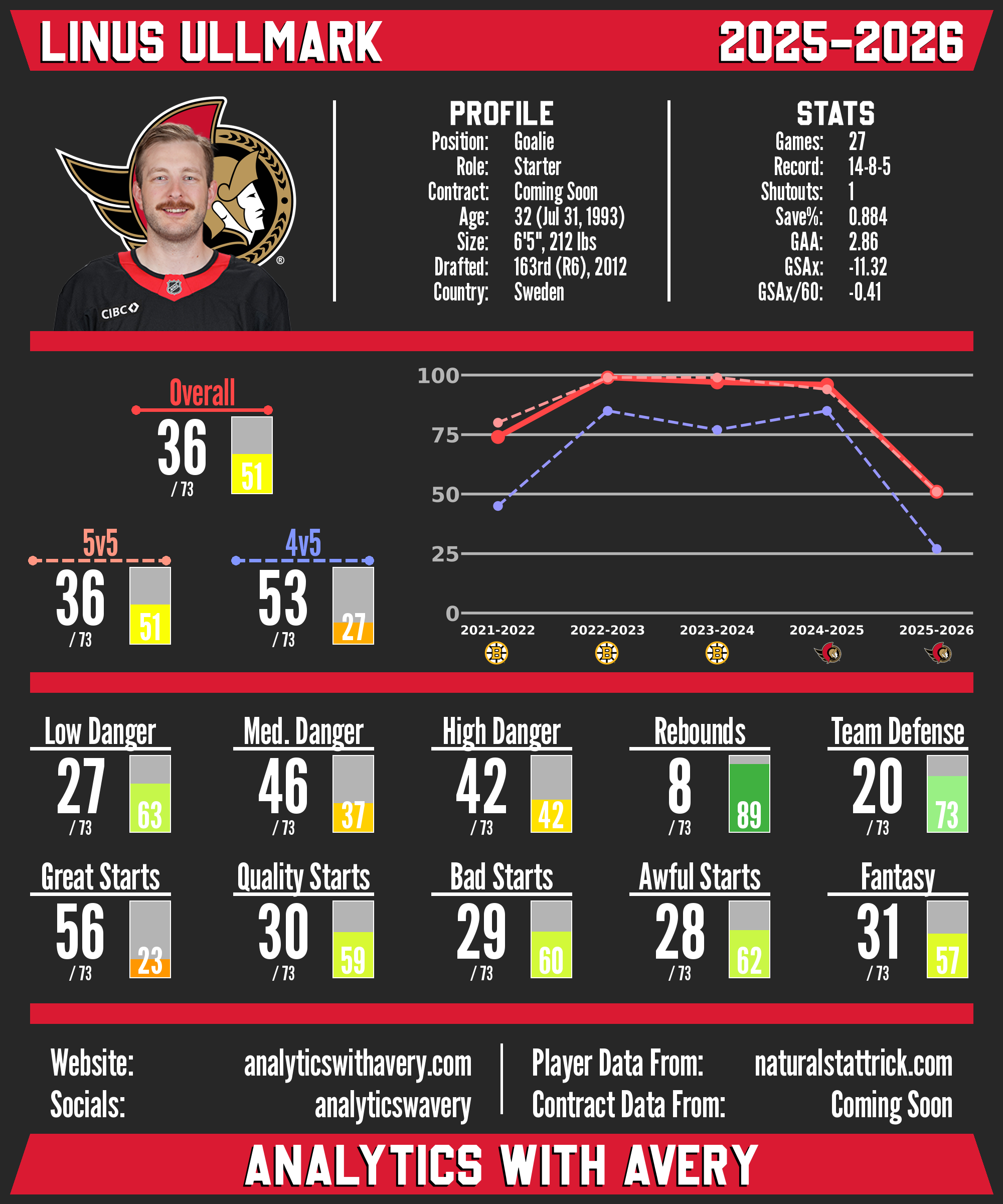
In goal, the tandem of Gustavsson and Wallstedt provides both immediate reliability and long-term upside. Gustavsson has proven he can handle a starter’s workload at the NHL level, while Wallstedt is one of the top upcoming goalies who's been having an elite season. Ullmark has admittedly been having a bad season, but as the extra goalie, he adds experience and depth. Overall, Sweden’s roster is built to be difficult to play against, relying on structure, depth, and strong defensive play rather than pure offensive firepower.
Other Potential Players:
Forwards: Marcus Johansson, Viktor Arvidsson, Mikael Backlund, Fabian Zetterlund, and Emil Heineman. Defense: Oliver Ekman-Larsson, Philip Broberg, Axel Sandin-Pellikka, Rasmus Sandin, and Simon Edvinsson. Goalies: Jacob Markstrom, Samuel Ersson, and Dennis Hildeby.
Finland
Forwards:
Defensemen:
Goalies:
Extras:
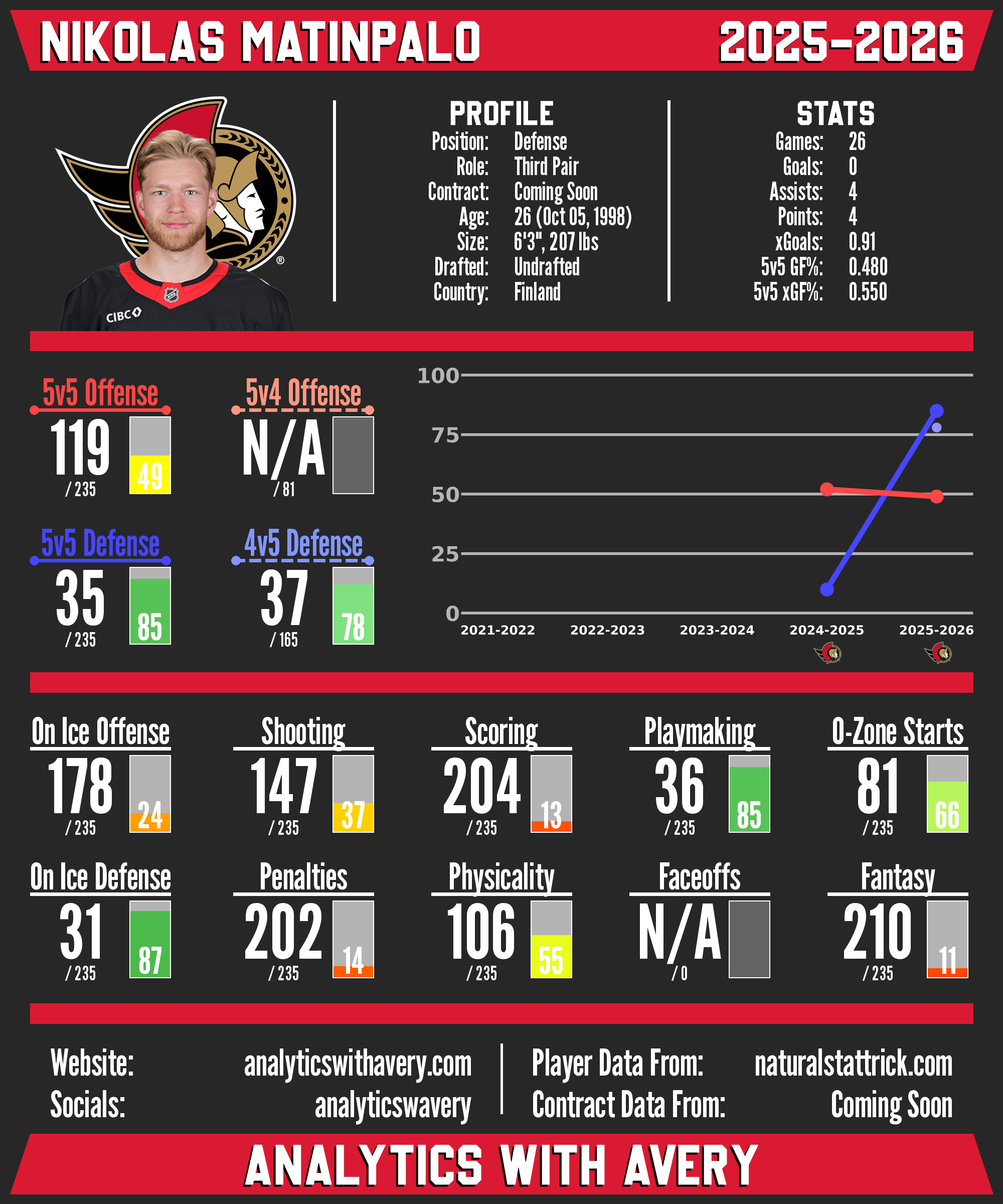
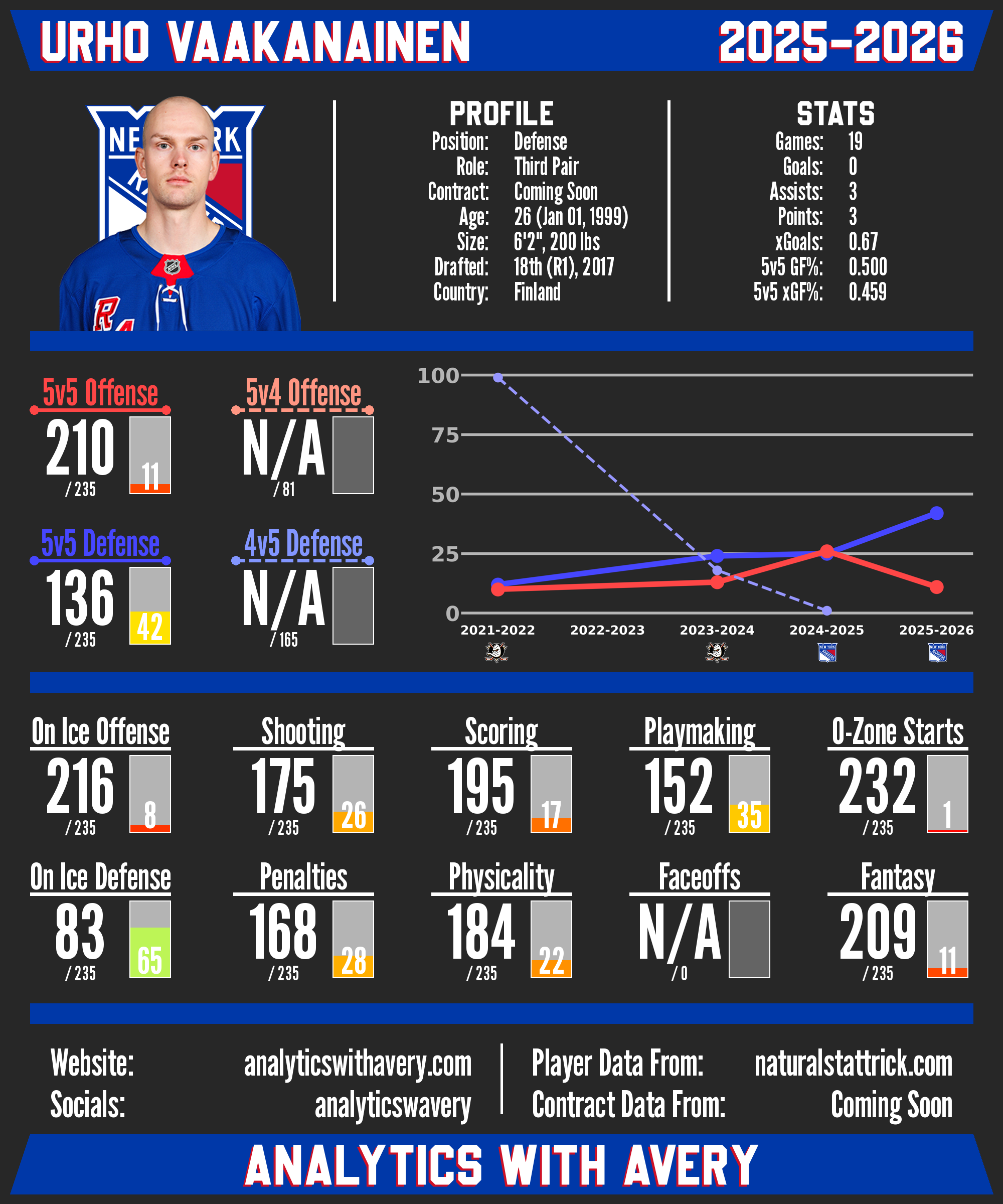
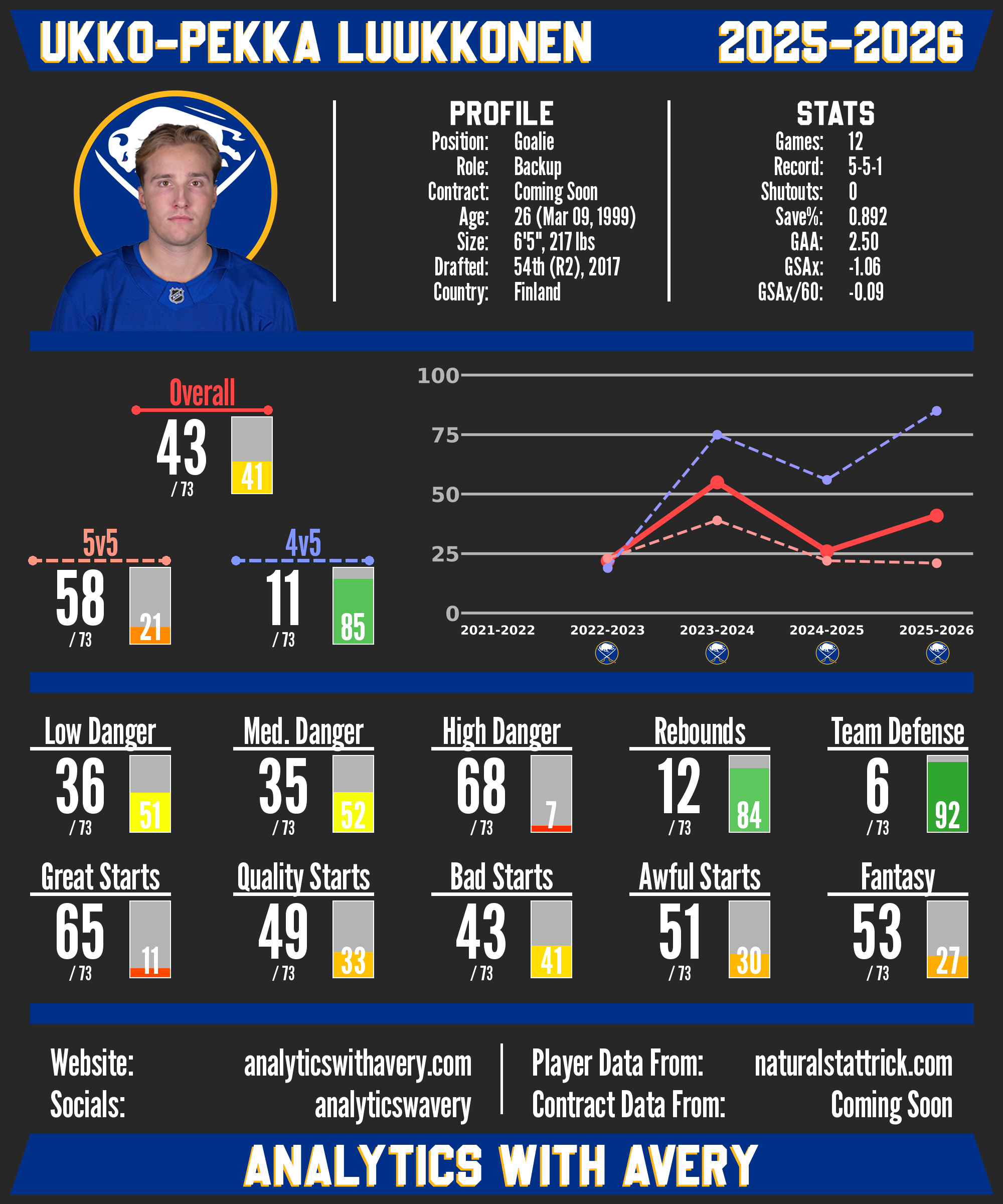
Summary
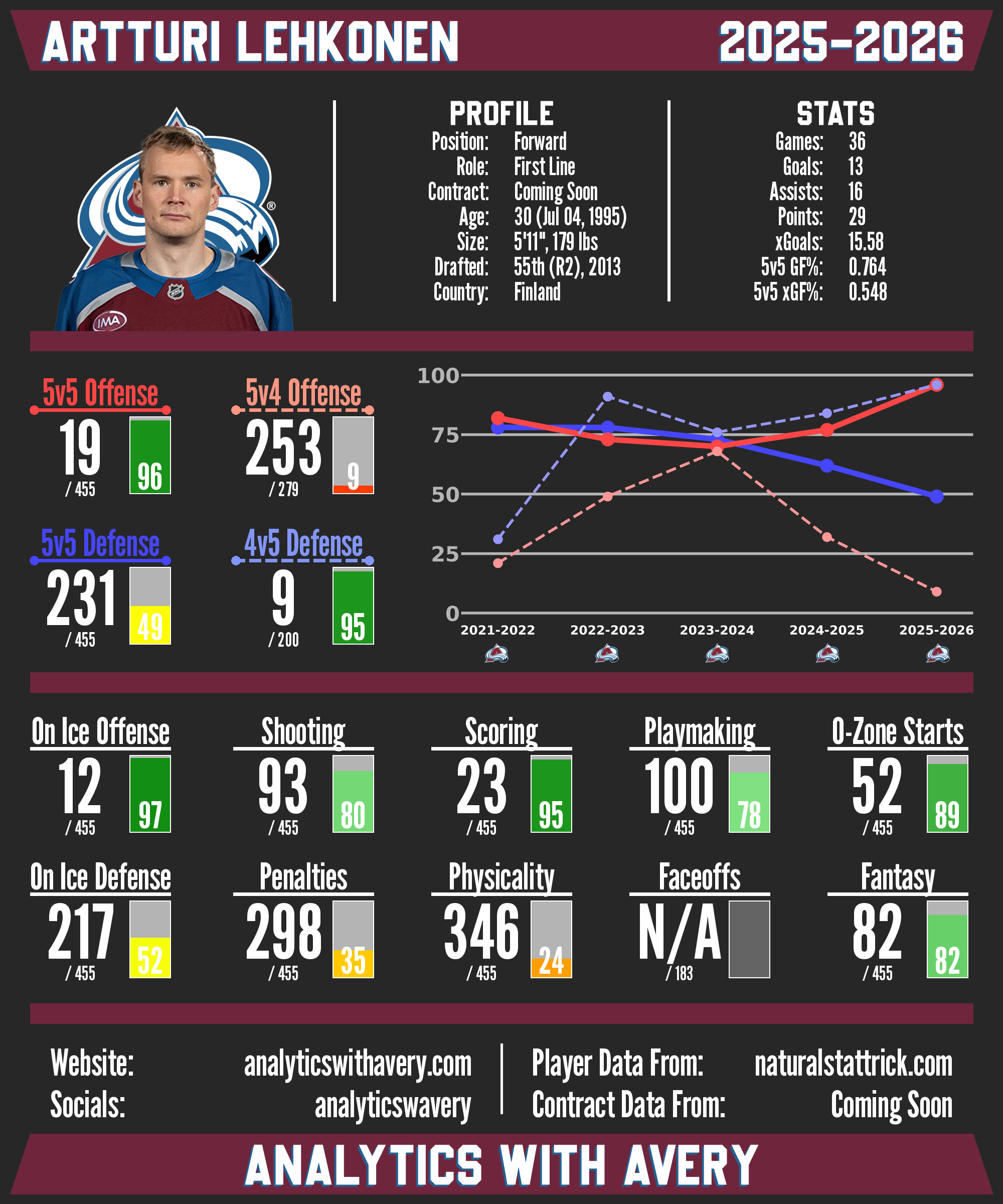
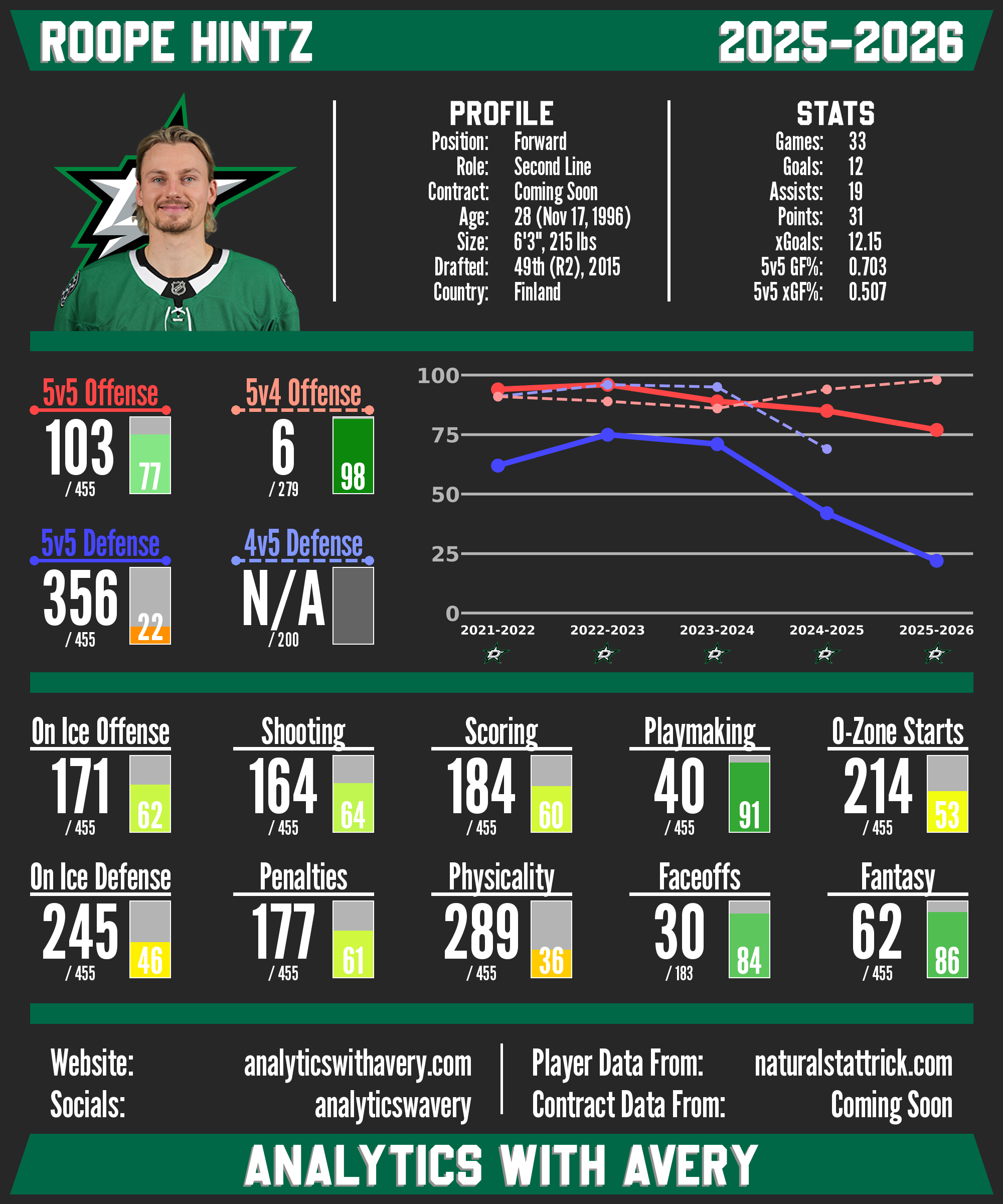
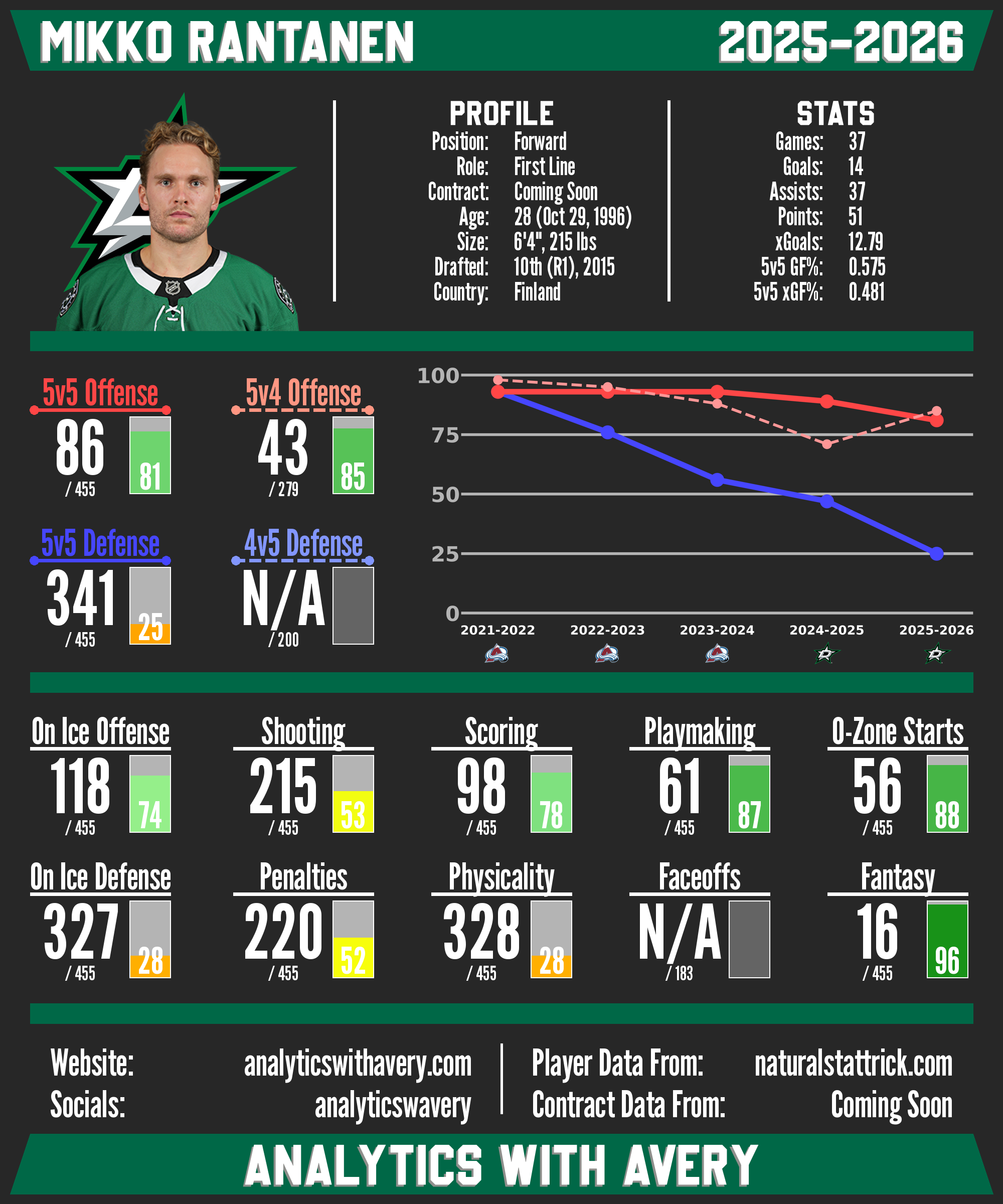
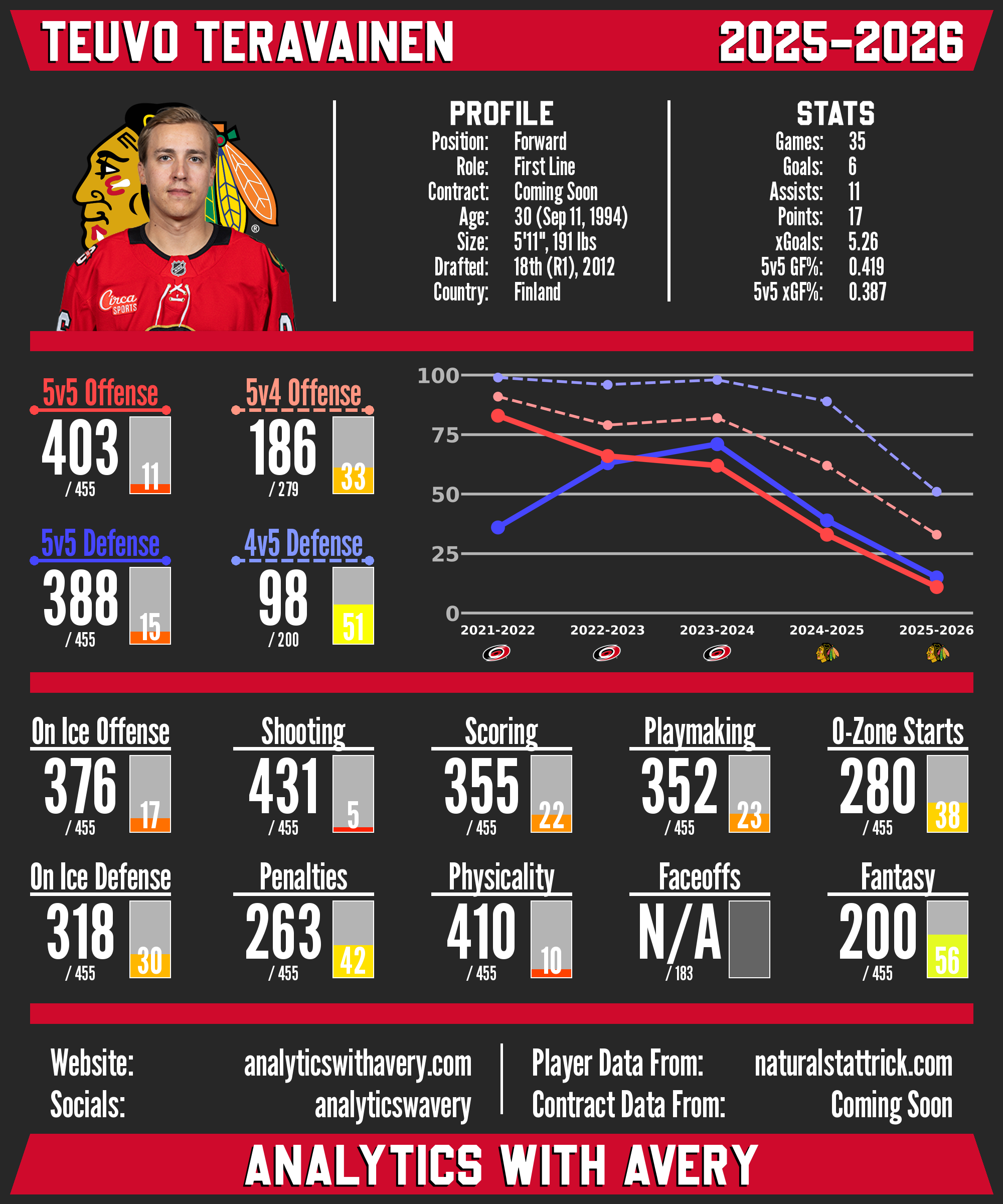
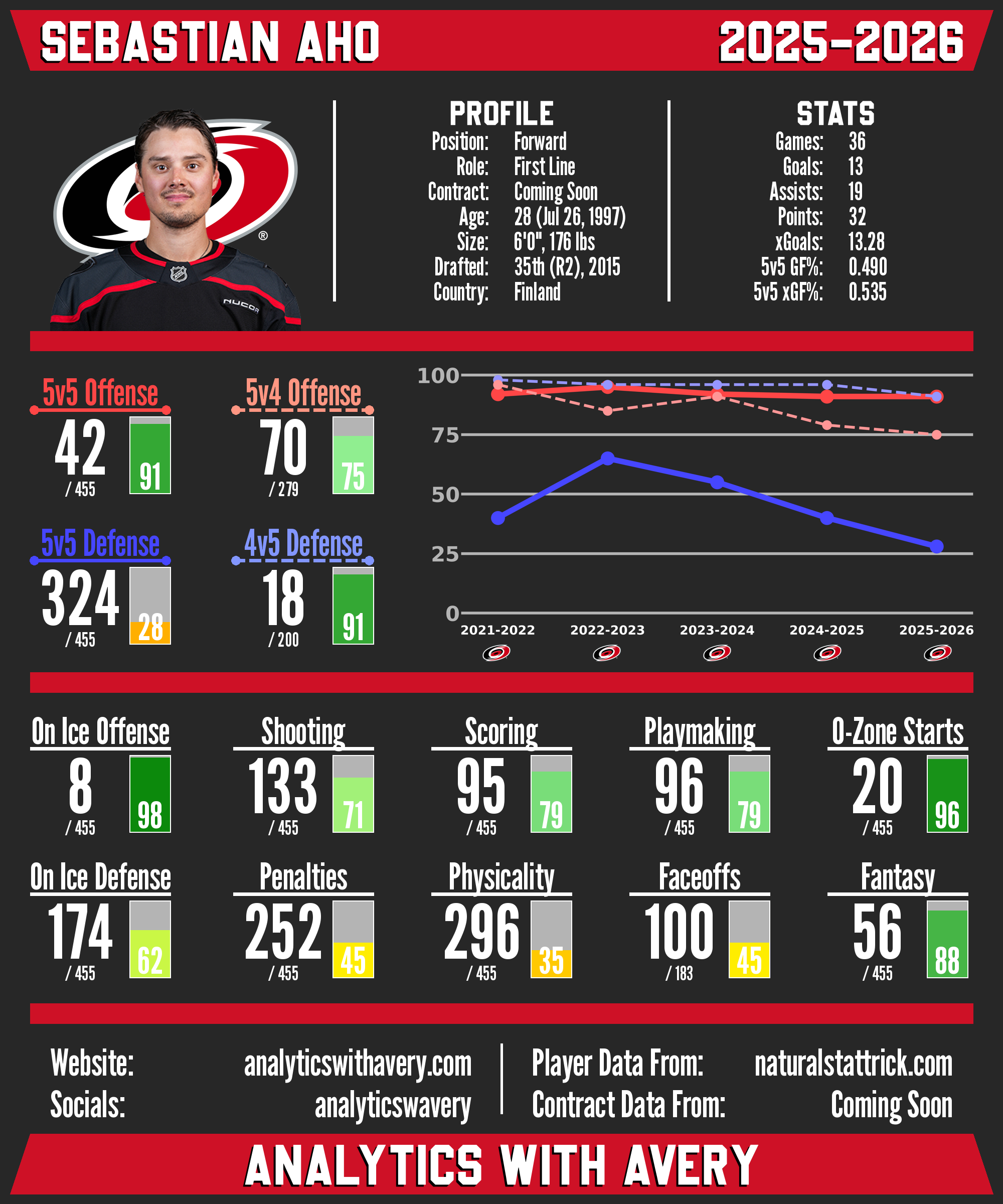
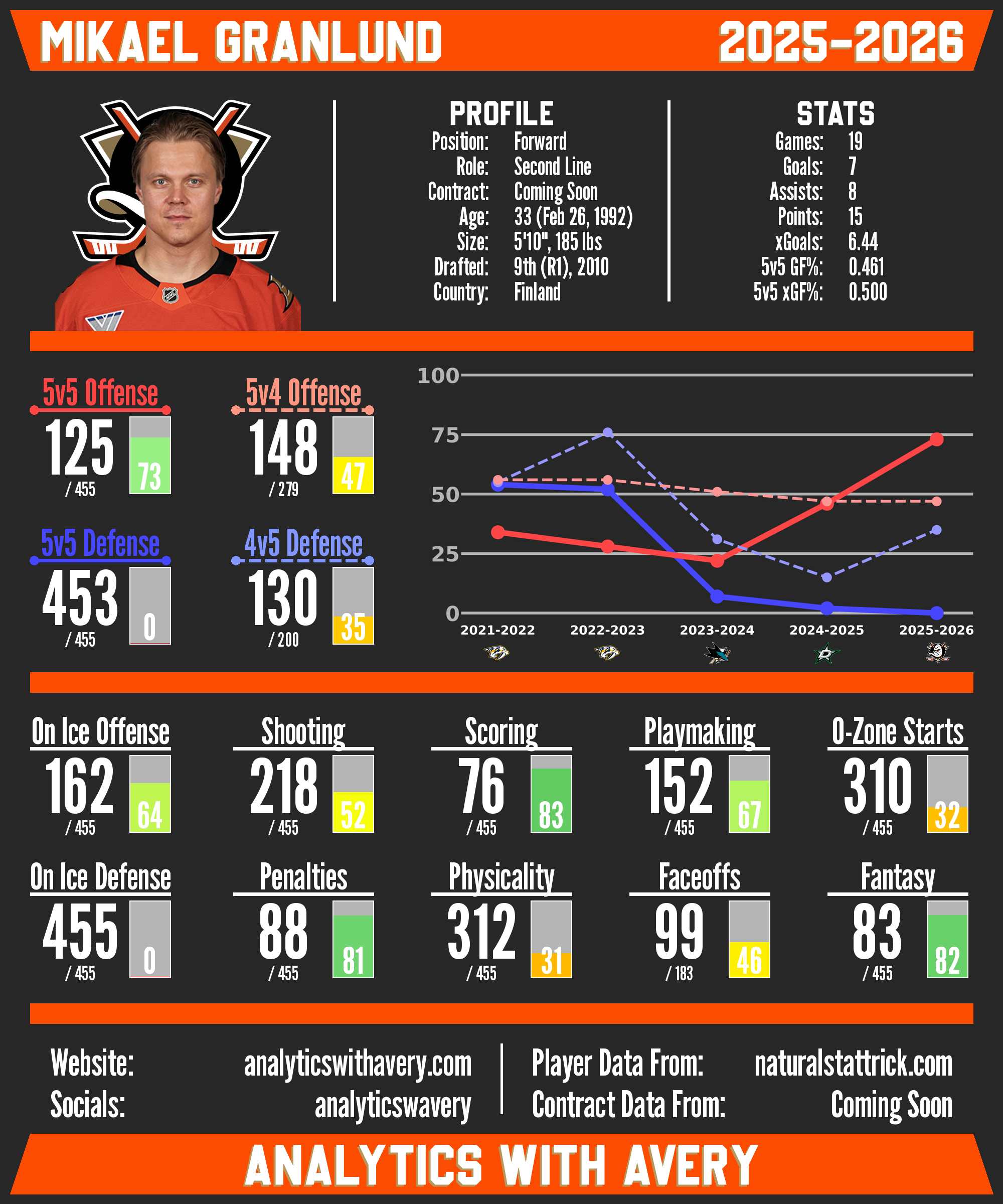
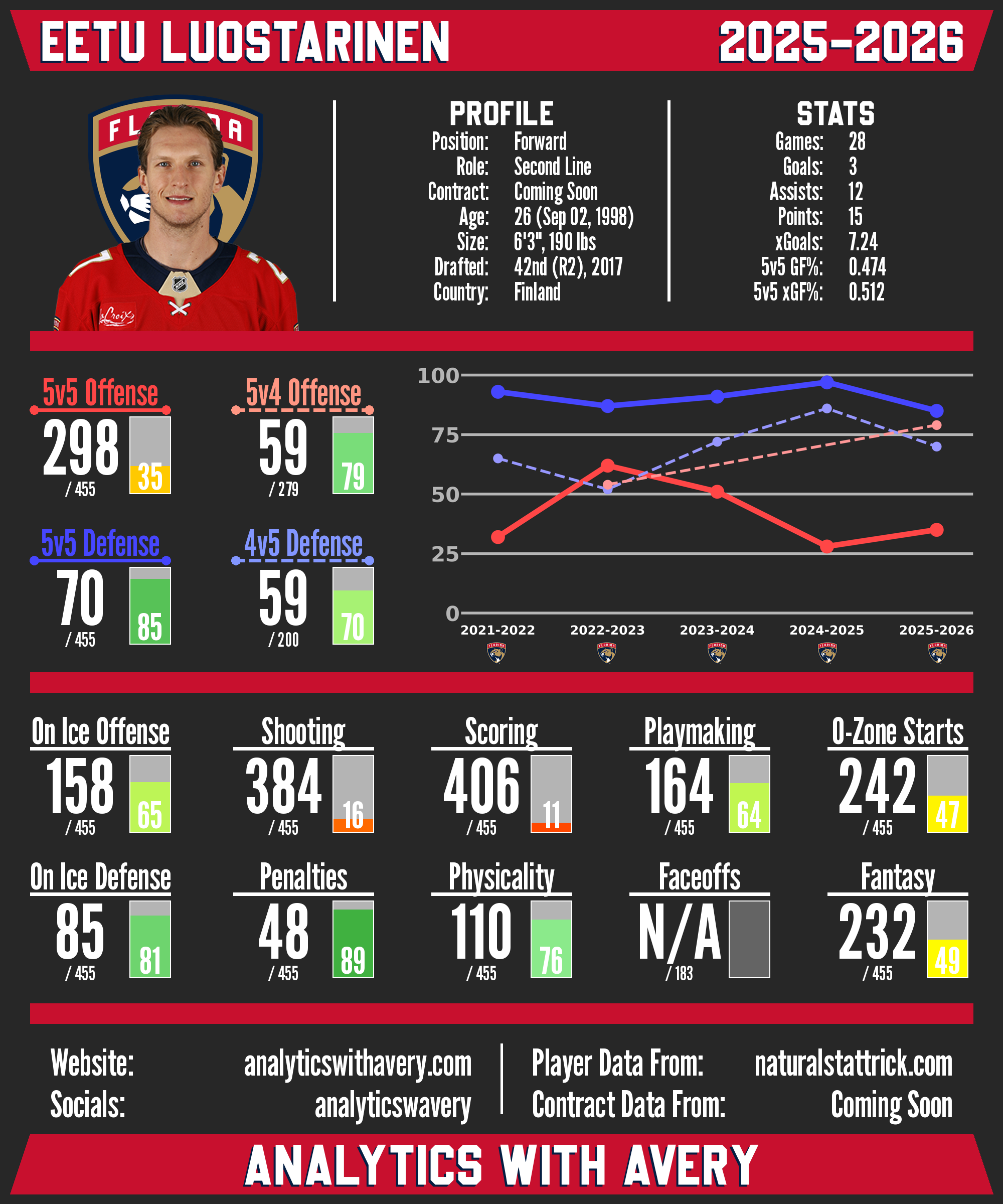
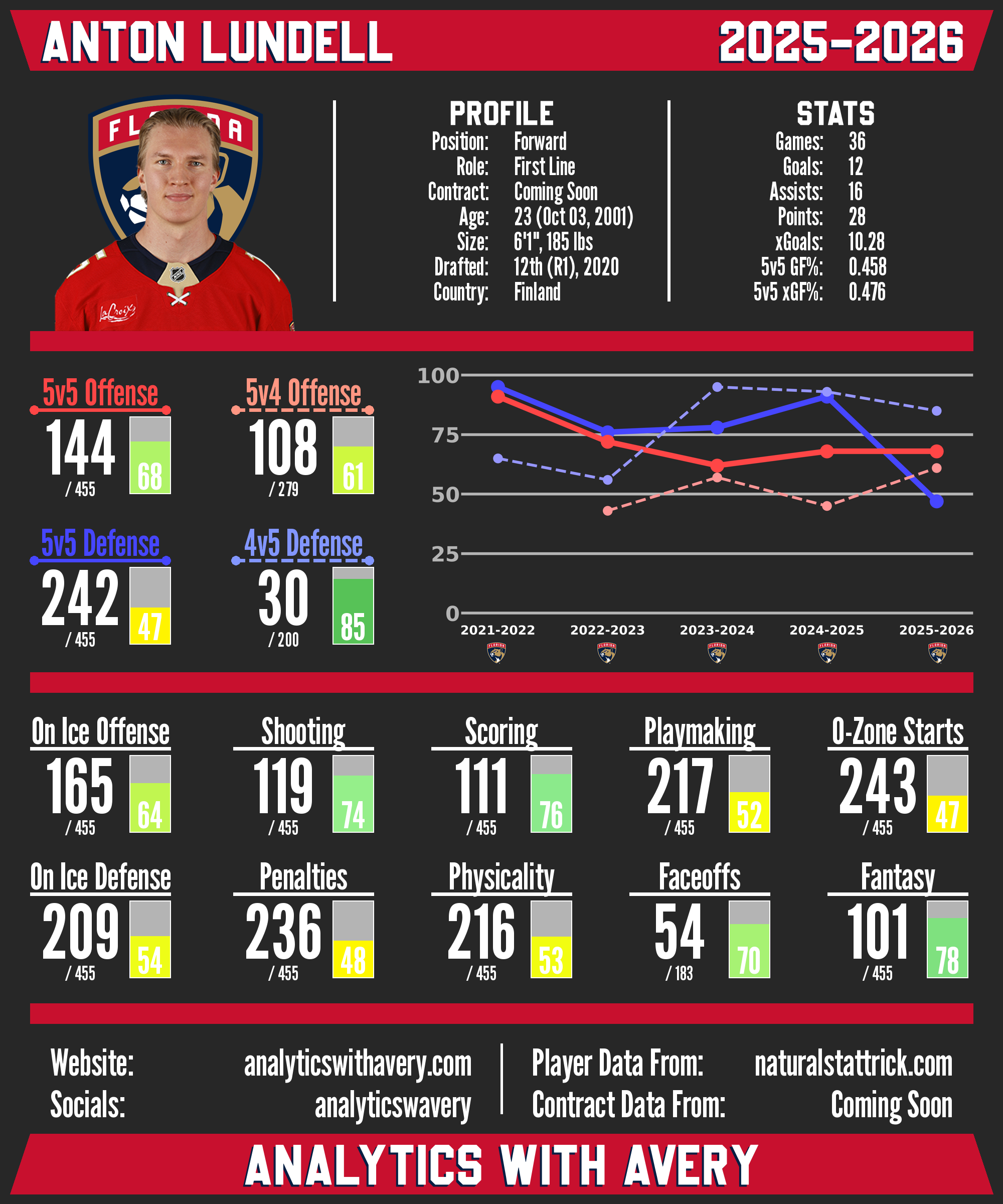
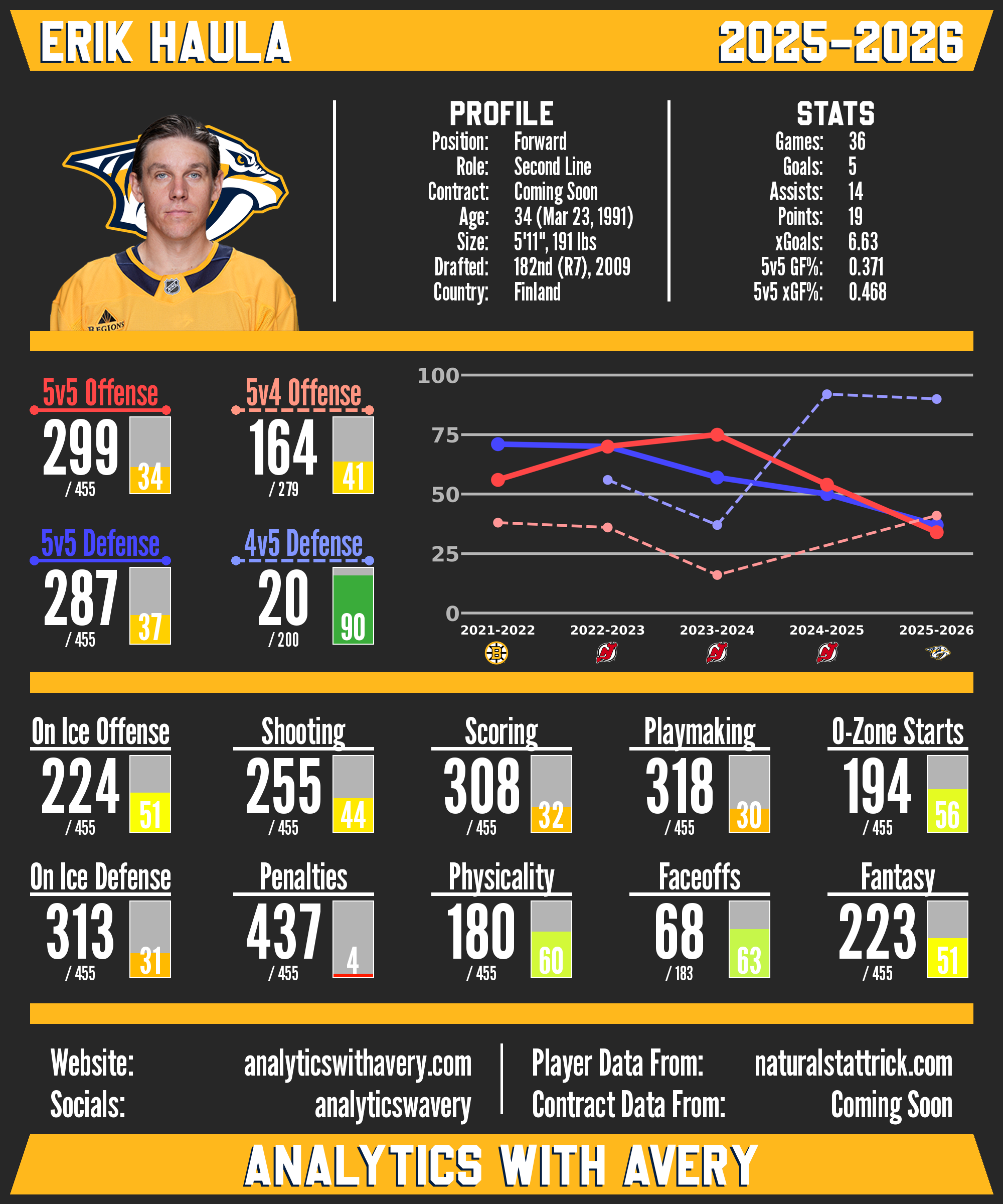
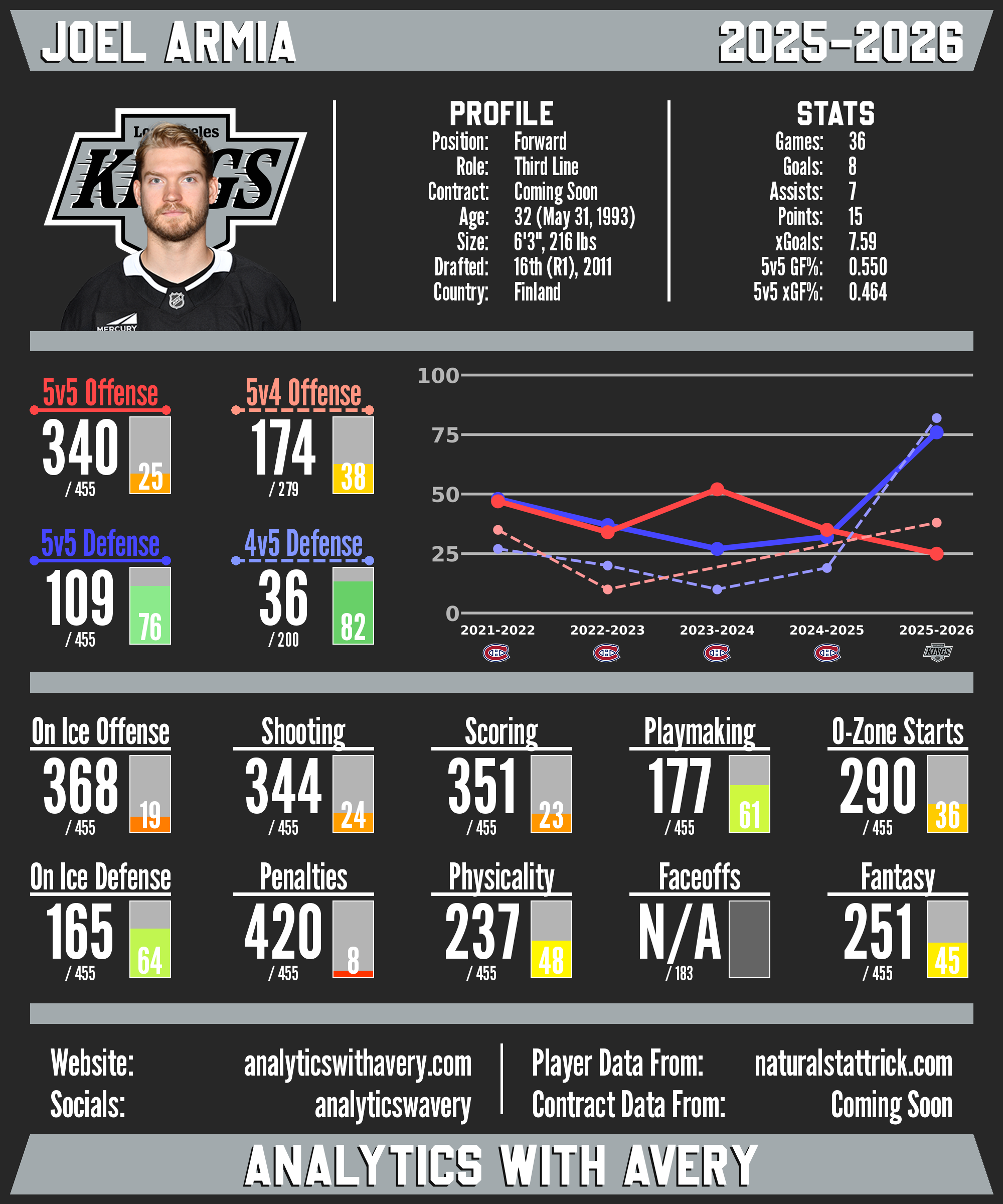
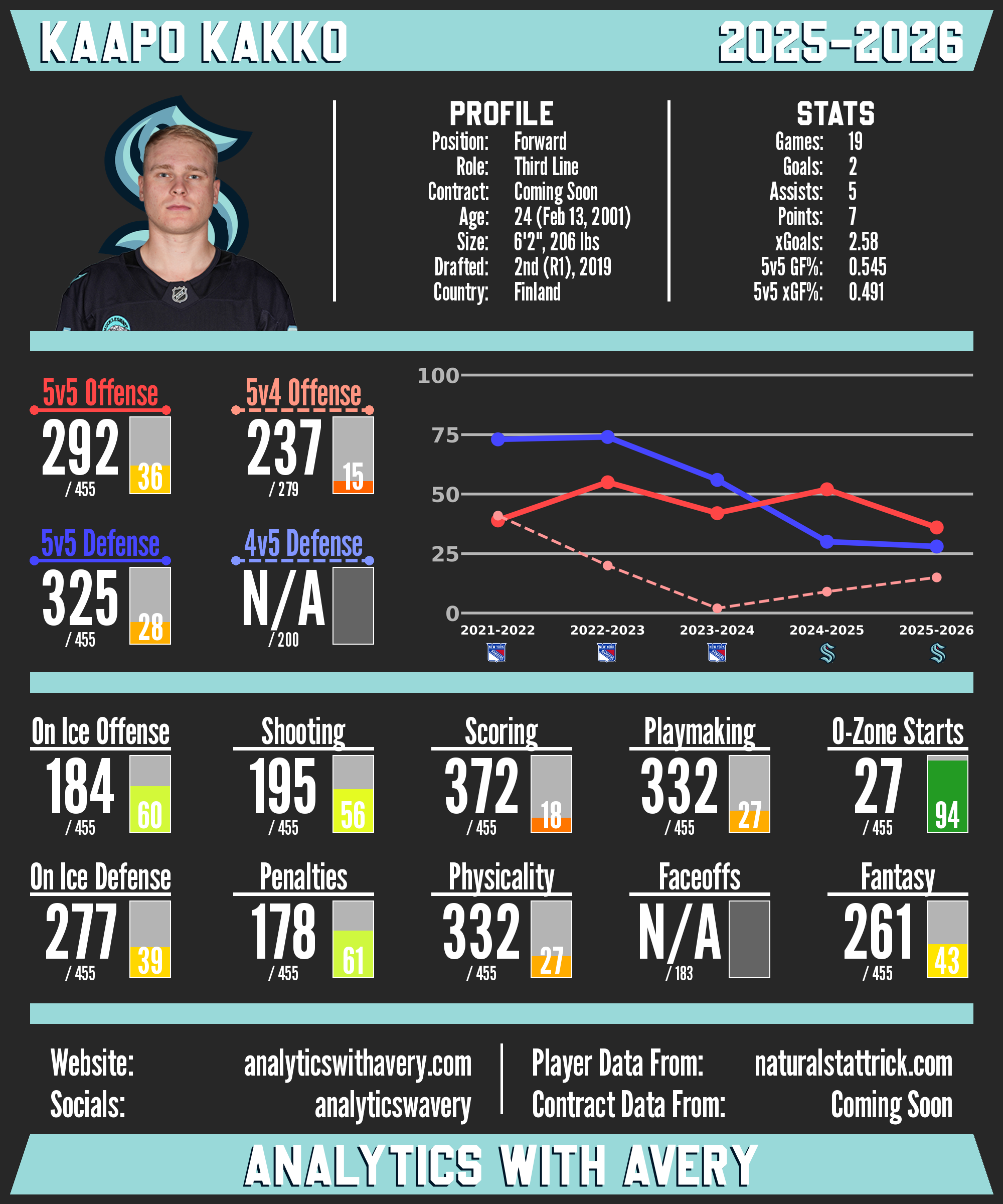
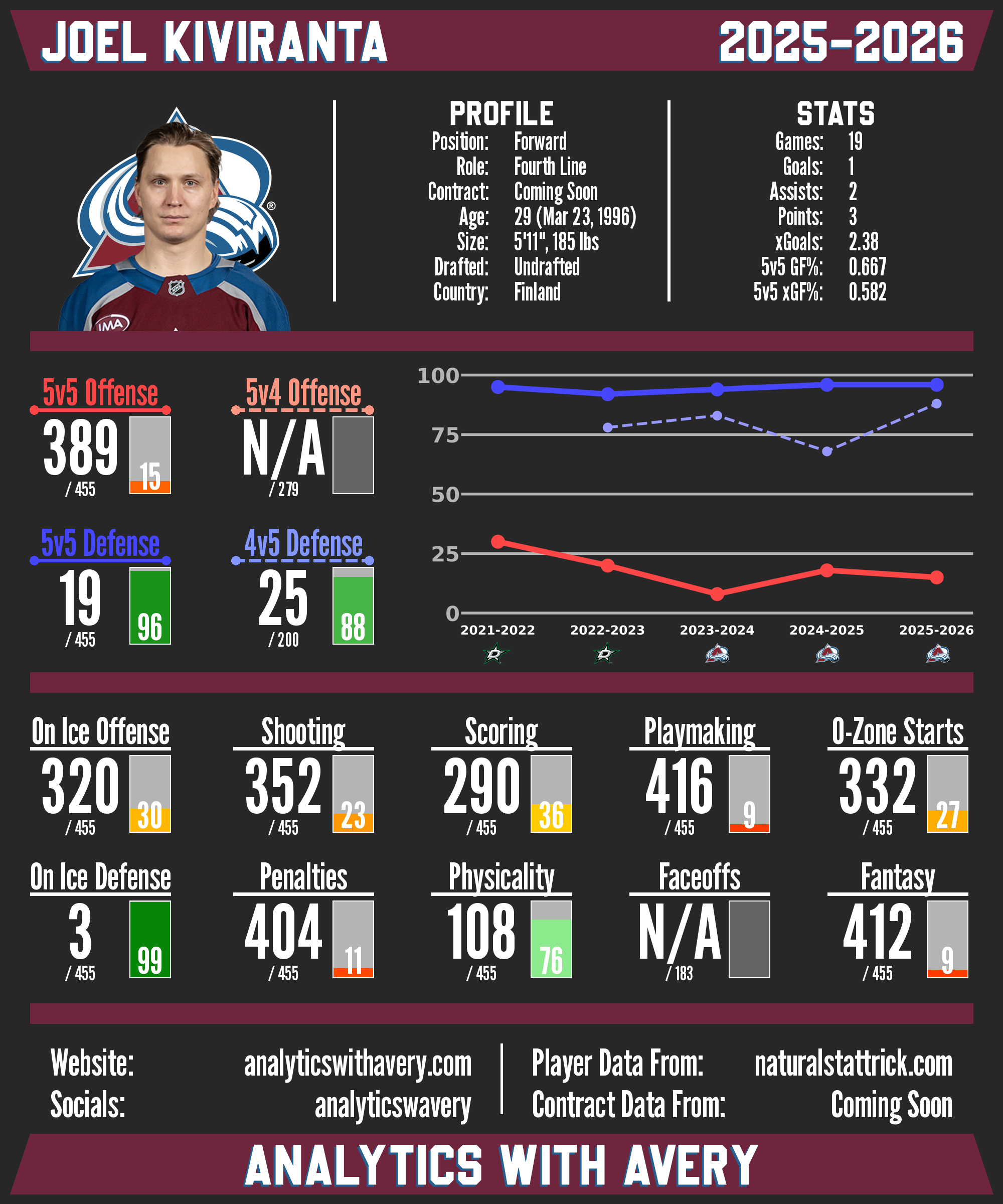
On paper, Finland’s roster is definitely the weakest of the four that I've covered. Not helping them is the injury of Aleksander Barkov, who would've been the top center and captain for this team. Up front, the top line of Lehkonen, Hintz, and Rantanen gives Finland some elite offensive talent, with Hintz and Rantanen having some familiarity with each other from playing on Dallas together. Rounding out the top six are Teravainen, Aho, and Granlund, all of whom have been capable offensively. The bottom six has its fair share of defensively reliable forwards, including Lundell and Luostarinen, who have had great results playing together in Florida. For this forward group to succeed, they need to play structured hockey while making limited mistakes.
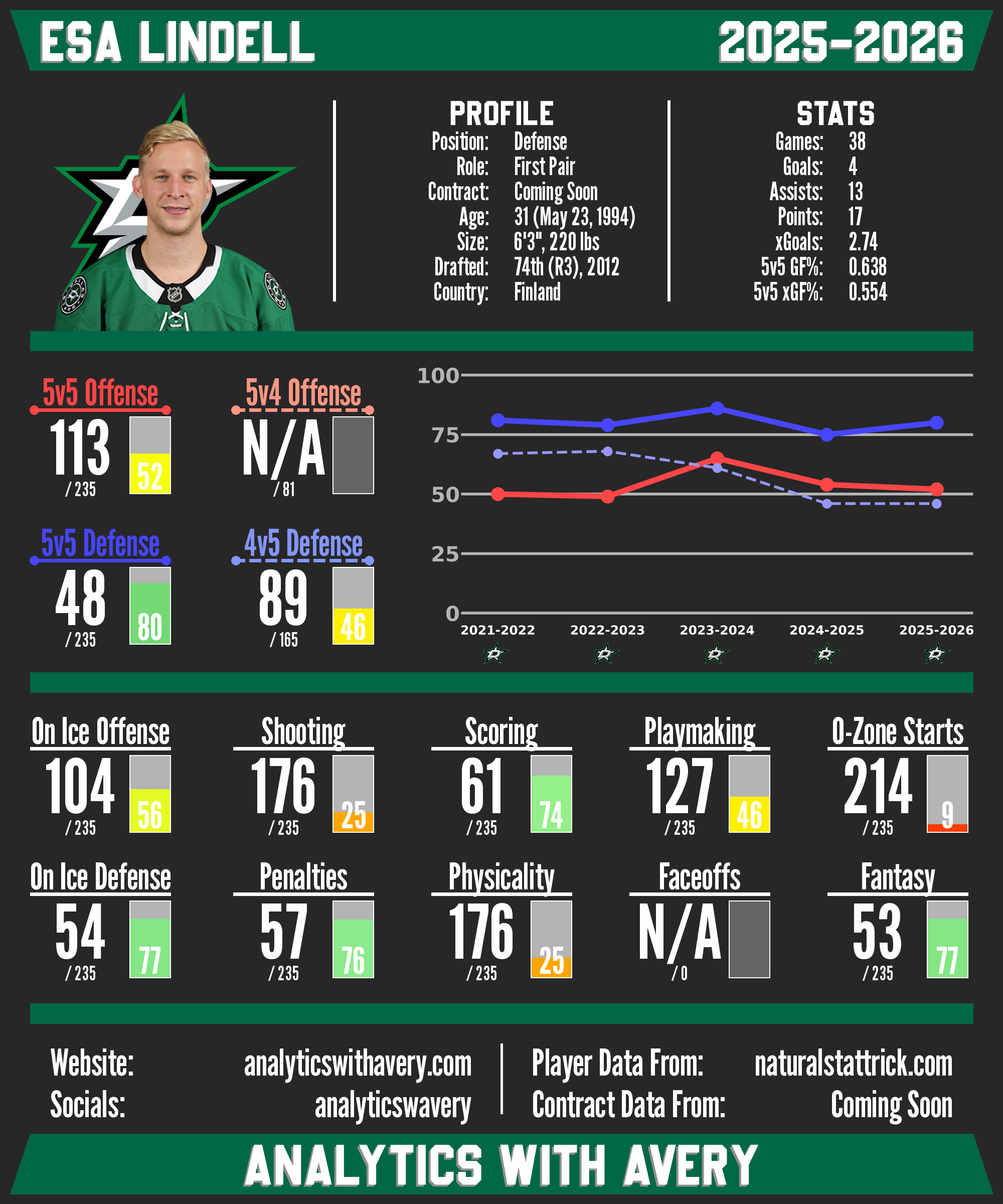
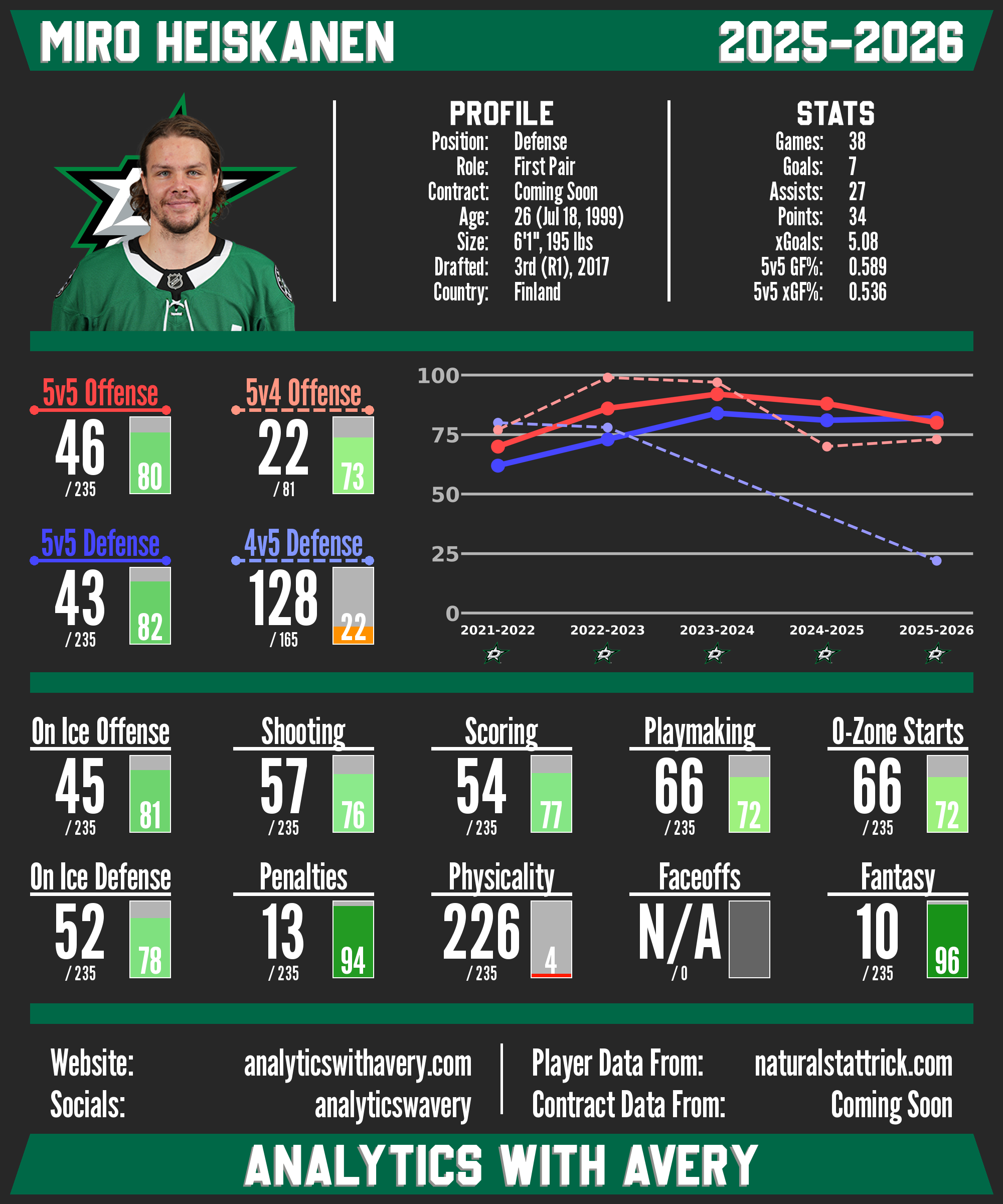
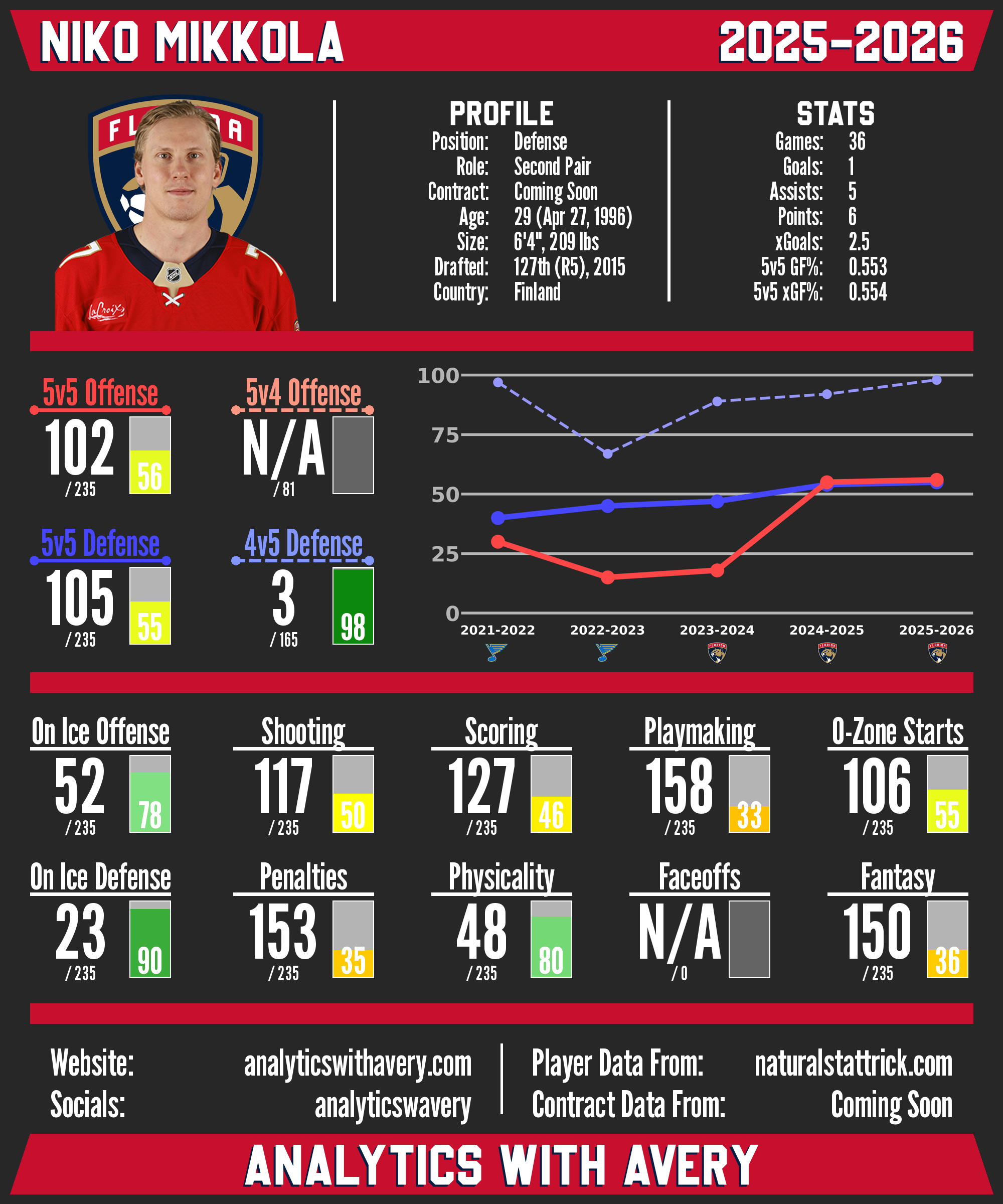
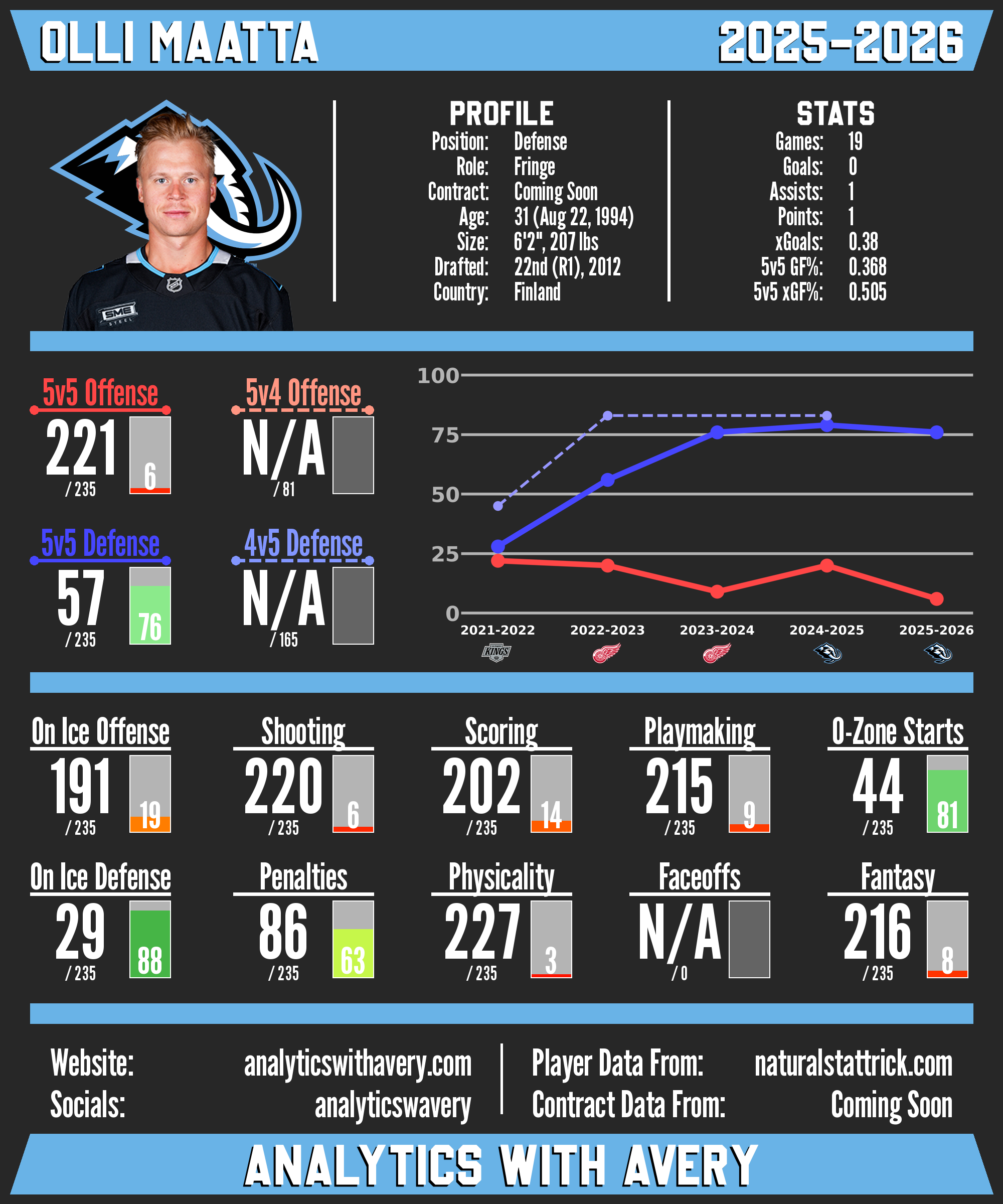
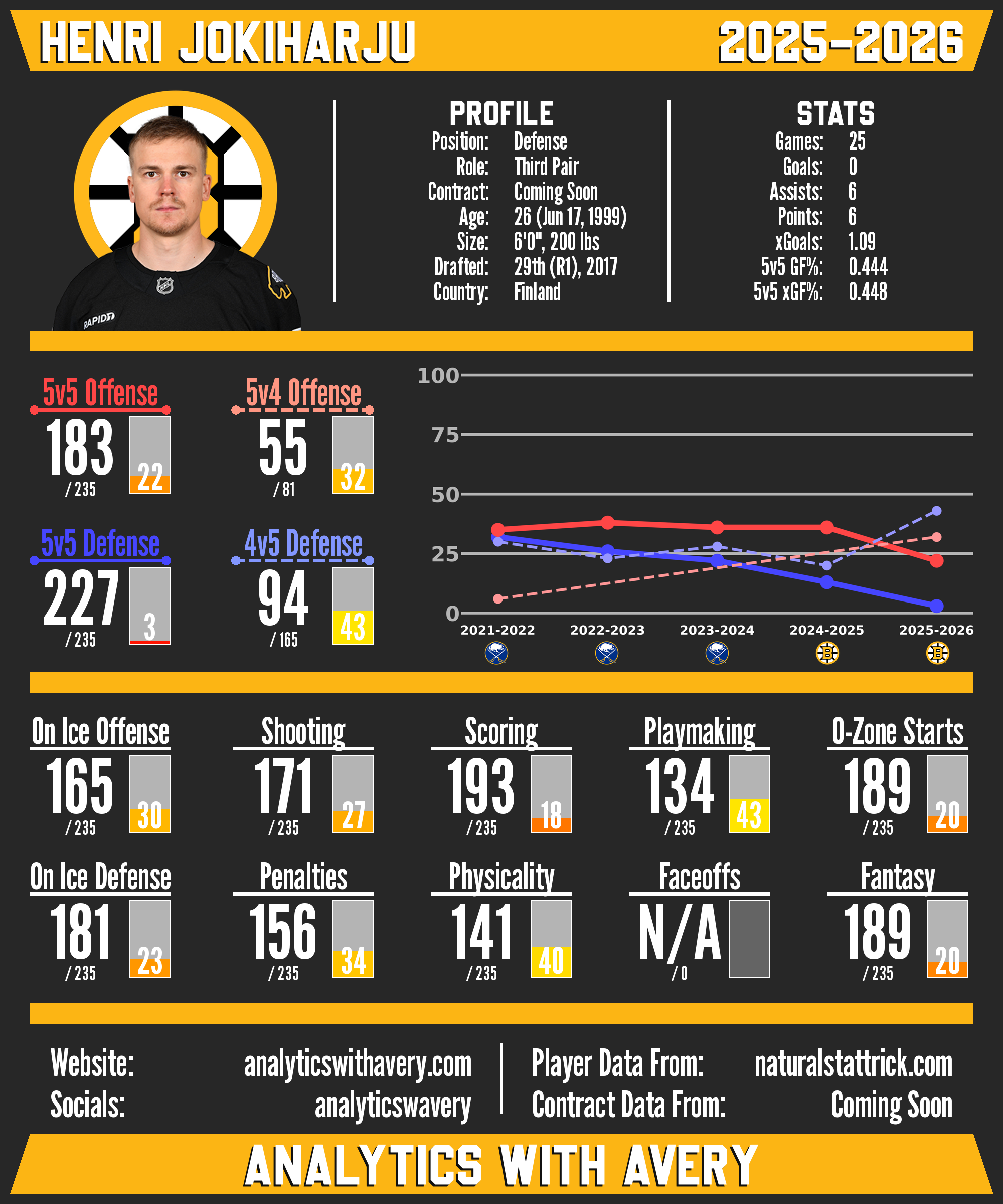
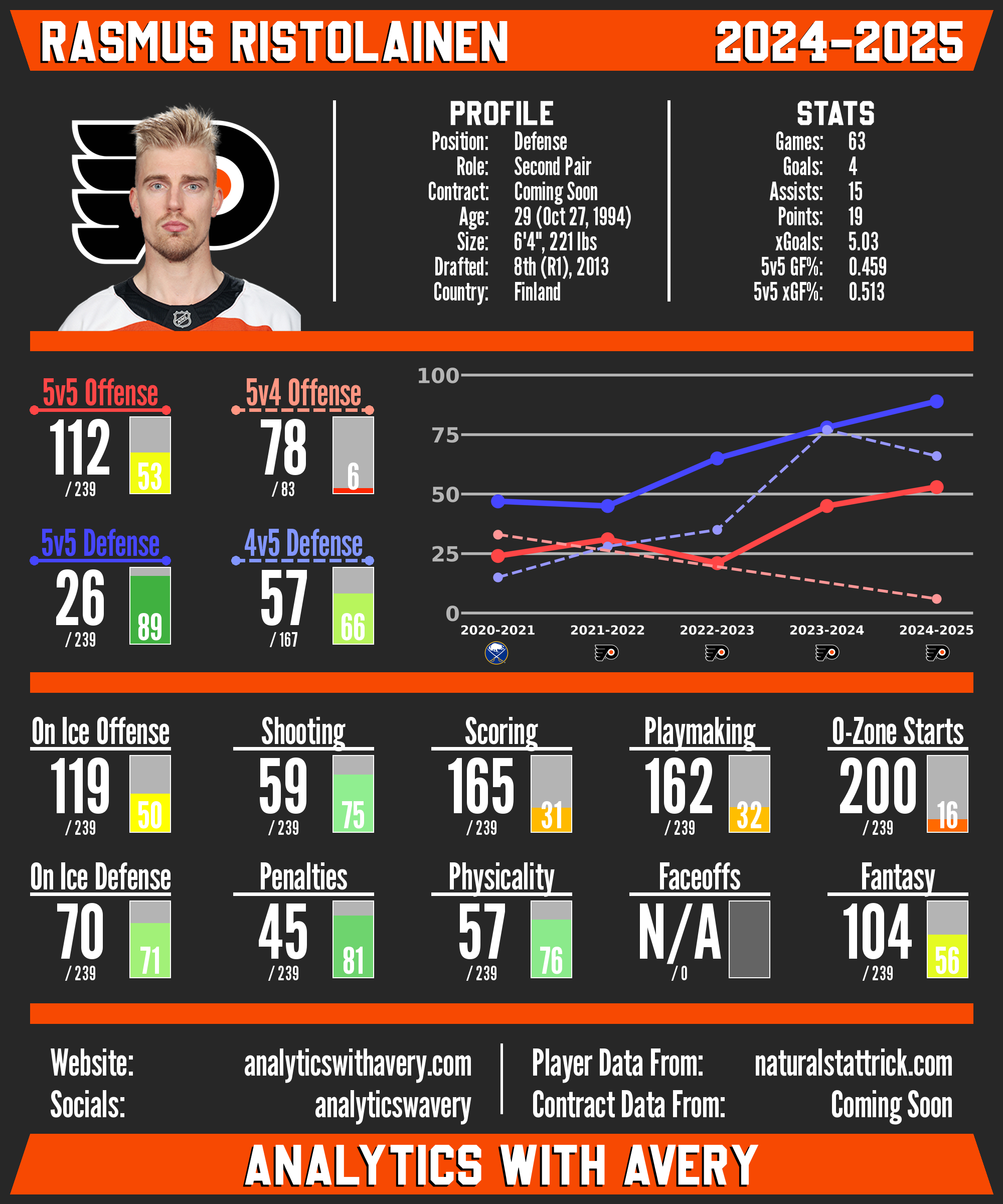
Defensively, Finland is anchored by Miro Heiskanen, who is the clear engine of the blue line and one of the best all-around defensemen in the world. Paired with him is Lindell, who will take on much of the defensive responsibility for this team. That top pair is going to be logging some big minutes. The remaining bottom four features Mikkola, Määttä, Jokiharju, and Ristolainen. All are NHL-caliber, but they are not at the elite level of the top defensemen on other countries’ rosters.
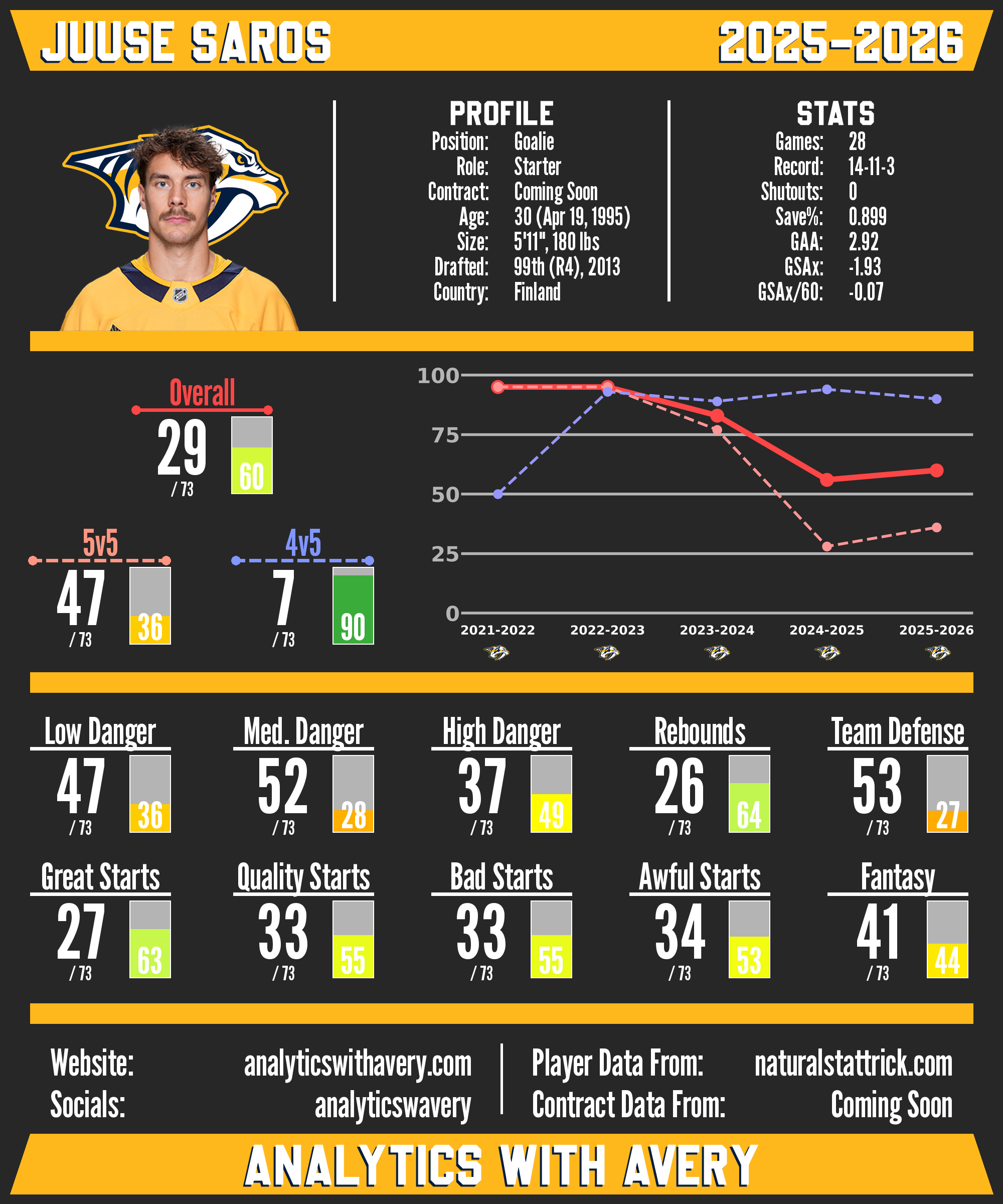
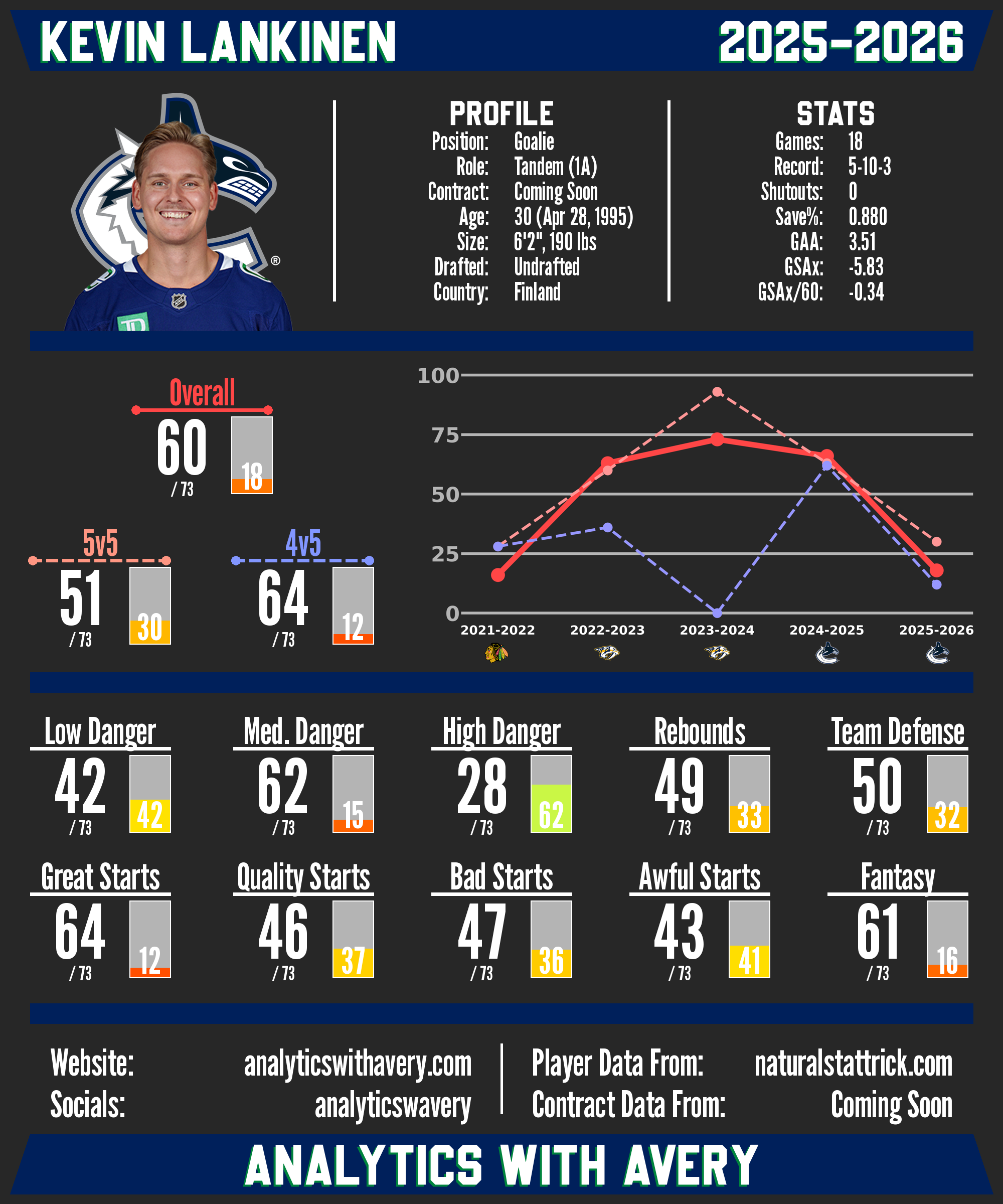
Saros gives Finland a legitimate goaltender who at his best, has been elite and at his worst, has been a solid starter. Kevin Lankinen provides a decent backup option, while Ukko-Pekka Luukkonen offers additional depth and future upside similar to Knight on Team USA.
Other Potential Players:
Forwards: Matias Maccelli, Aatu Raty, Jani Nyman, Oliver Kapanen, and Ville Koivunen. Defense: Ville Ottavainen, Topias Vilén, Ville Heinola, Lassi Thomson, and other Finnish defensemen from leagues I'm not as familiar with. Goalies: Joonas Korpisalo, Leevi Merilainen, Ville Husso.
Conclusion
The United States, Sweden, and Finland each enter the Olympics with very different roster profiles and strengths. The United States boast the highest offensive ceiling, combining elite forward talent with a dominant defense corps and top-tier goaltending, making them a clear contender if their talent gels quickly. Sweden projects as a balanced and structurally sound team. Their depth, defensive reliability, and experience on the blue line make them extremely difficult to play against and well-suited for international play. Finland appears weaker, especially without Aleksander Barkov, but could be underestimated if they implement a strong structure, get big minutes from their top D pair, and have an elite goaltending performance from Saros.
All three of these teams have a legitimate chance of medaling. Among the four countries I’ve covered, I think Canada has the strongest team on paper (yes, there is absolutely some bias), with the United States as a close second and Sweden not far behind. Ultimately, though, the real winners are the fans, who will finally get to experience true best-on-best international hockey, featuring the world’s top players from twelve countries, for the first time since 2014.